H5 Bird Flu Hits Australia: A "Genuine Wildlife Emergency" Unfolds

H5 Bird Flu Hits Australia: A "Genuine Wildlife Emergency" Unfolds
Deadly H5 bird flu has reached Australia's shores, ending its virus-free status. Learn about the H5N1 strain, its impact on wildlife & agriculture, and what this panzootic outbreak means for the continent.
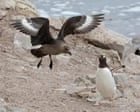
Australia’s unique status as the only continent free of H5 bird flu has come to an end with the deadly virus now confirmed on its shores, triggering what experts are calling a "genuine wildlife emergency." The federal agriculture minister, Julie Collins, confirmed in late June that the highly pathogenic H5N1 strain was detected in a brown skua found sick in Western Australia.
Since this initial confirmation, the situation has evolved rapidly. There are now five confirmed cases of H5 bird flu in migratory sub-antarctic birds across the continent – four in Western Australia and one in South Australia. Adding to these concerns, a suspected positive detection in a giant petrel found north of Newcastle in New South Wales means the virus may also have reached Australia's east coast, with test results pending.
The H5 bird flu is a "highly pathogenic" virus, meaning it is exceptionally contagious and can cause severe illness and death in affected animals. Dr. Ariful Islam, a veterinary epidemiologist at Charles Sturt University specializing in avian influenza viruses, describes the current spread as a "panzootic." This term highlights the virus's extensive reach, having spread across multiple continents and impacted a wide array of species globally.
Since its global proliferation began in 2021, H5 bird flu has had a devastating effect. It has claimed the lives of millions of wild birds, including many threatened species, and has significantly impacted thousands of marine mammals. According to Wildlife Health Australia, more than 560 wild bird species and over 100 different types of mammals have already been affected worldwide.
The arrival of H5 bird flu in Australia poses significant threats not only to the nation’s diverse wildlife but also to its vital agricultural industries, particularly poultry. Authorities and wildlife experts are closely monitoring the situation as they grapple with the implications of this new, severe biological challenge to the Australian ecosystem. The urgent focus now is on understanding the full extent of the spread and implementing strategies to mitigate its potentially catastrophic impacts.
