Trump Slashes Fuel Standards: What it Means for Your Wallet & the Planet

Trump Slashes Fuel Standards: What it Means for Your Wallet & the Planet
The Trump administration is rolling back federal fuel efficiency rules, lowering MPG targets for vehicles. Discover how this policy shift could impact gas prices, new car costs, and environmental goals nationwide.
The Trump administration is poised to unveil significant rollbacks to federal fuel economy standards, easing environmental regulations for car manufacturers regarding emissions from gasoline-powered vehicles and light trucks. This move marks a notable departure from previous targets and is stirring debate across the nation.
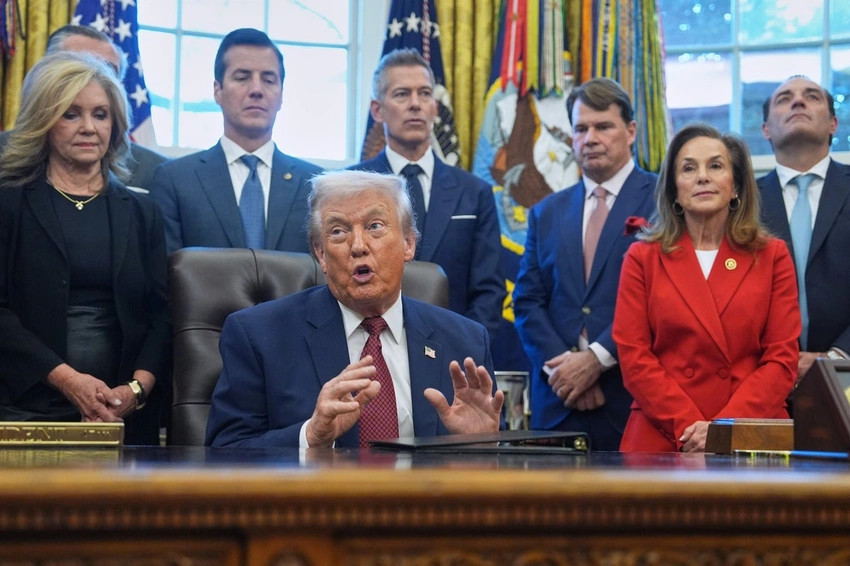
President Donald Trump, in a statement on Truth Social, asserted that these reduced mileage criteria would "take the waste out of building cars in America," potentially saving households "thousands on a new, beautiful and safe car," and boosting domestic automotive manufacturing. However, forecasts released last December by the National Highway Traffic Safety Administration (NHTSA) indicate that the revised benchmarks would lower the fleetwide baseline for light-duty cars to approximately 34.5 miles per gallon by model year 2031.
This is a substantial decrease from the 50.4 miles per gallon target previously set under the Biden administration, highlighting a clear shift in policy direction. This impending policy change aligns with Trump's ongoing commitment to dismantle measures designed to promote or subsidize electric vehicle (EV) manufacturing.
Previous actions include weakening vehicle tailpipe-output rules, eliminating financial penalties for manufacturers failing to meet fuel-economy benchmarks, and scrapping consumer tax incentives for EV buyers.
Secretary of Transportation Sean Duffy confirmed the Monday announcement on X.
While government officials and industry leaders suggest that easing these restrictions will expand consumer access to practical, budget-friendly gasoline-powered options, the timing comes as Americans are already feeling the pinch at the pump. Figures from Kelley Blue Book show the average price for a new vehicle recently topped $50,000.
Simultaneously, gas prices have surged, with AAA reporting the national average climbing to $4.47 per gallon, up from $4.09 last month, partly due to global supply tensions. Throughout his political campaigns, Trump has consistently vowed to dismantle what he often mischaracterizes as an EV "mandate", referring to President Joe Biden's non-binding target for electric models to constitute 50 percent of new sales by 2030.
It's important to note that no federal mandate currently requires automakers to sell electric cars. Automotive market data from Edmunds reveals that EVs represented 6.5% of new vehicle sales in February, a slight drop from 7.4% in 2025. News of the revised standards has immediately drawn sharp criticism from environmentalists.
Dan Becker, director of the Center for Biological Diversity's Safe Climate Transport Campaign, stated that the final rule
ignores the feasibility of clean technology and the millions of fuel-efficient cars already on the road.
He added, "Trump is tanking sensible mile per gallon standards at the worst possible time for consumers, who are getting hit with sky-high prices at the pump. Consumers will pay the price for these reckless rollbacks." This decision sets the stage for a renewed debate on environmental protection, consumer costs, and the future direction of the American automotive industry.
