Delhi air improves to 234 AQI, but forecast warns of worsening days ahead

Delhi air improves to 234 AQI, but forecast warns of worsening days ahead
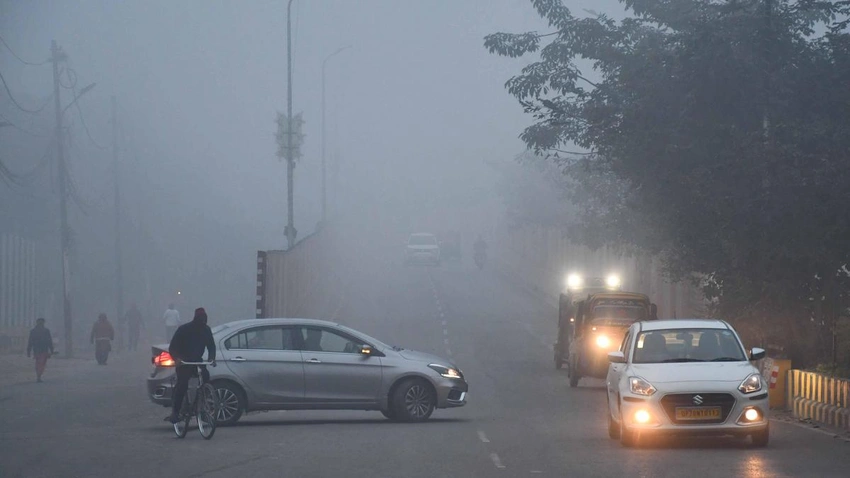
Delhi's air quality remains poor at AQI 234 after a dip from severe, with vehicular emissions and nearby NCR districts fueling pollution; forecast hints at a possible rebound.
Delhi's air quality improved to 234 on Thursday afternoon, moving from severe to the 'poor' category for the second day in a row. The 24-hour average AQI at 4 pm stood at 234, with 27 of 40 functional monitoring stations still recording poor air; 10 stations fell below 200, including Lodhi Road, IIT Delhi, Indira Gandhi International Airport and Aya Nagar. Two stations—Jahangirpuri and Bawana—remained in the very poor range, above 300.
Vehicular emissions emerged as the largest contributor to Delhi's pollution load, accounting for 18.5% of the load, followed by industries in and around the capital (9.5%), construction activities (2.5%), and waste burning (1.6%). Among neighbouring NCR districts, Jhajjar in Haryana contributed the highest share to Delhi's pollution at 17.6%, with Rohtak (5.9%) and Sonipat (3.1%) also significant.
Experts warn that the improvement may be temporary; forecasts indicate a potential deterioration in the coming days, with conditions likely to swing back toward the 'very poor' or 'severe' categories if emissions remain high and neighboring cities contribute more pollution. Policy efforts and stricter action on polluting vehicles and industries remain in focus as authorities monitor the air quality closely.
Residents are advised to limit outdoor activity during peak pollution hours and to follow CPCB advisories. The data underscores the ongoing challenge of balancing regional emissions with urban management in the National Capital Region.
