The Low End Theory: How ATCQ Built Rap's Golden-Era Jazz Bridge

Step into the sonic world of A Tribe Called Quest's 'The Low End Theory.' Discover how this iconic album seamlessly fused jazz rhythms with lyrical prowess, forever changing hip-hop's soundscape.
In 1991, while some corners of hip-hop were getting louder, A Tribe Called Quest dropped The Low End Theory, and the world collectively said, 'Hold up, what's this buttery smooth sound?' It wasn't just an album; it was a masterclass in sonic alchemy, solidifying the bridge between the improvisational soul of jazz and the rhythmic poetry of rap. Forget generic intros, this album instantly announced itself as a foundational text for a genre hungry for deeper grooves.
Where Bebop Met Breakbeats
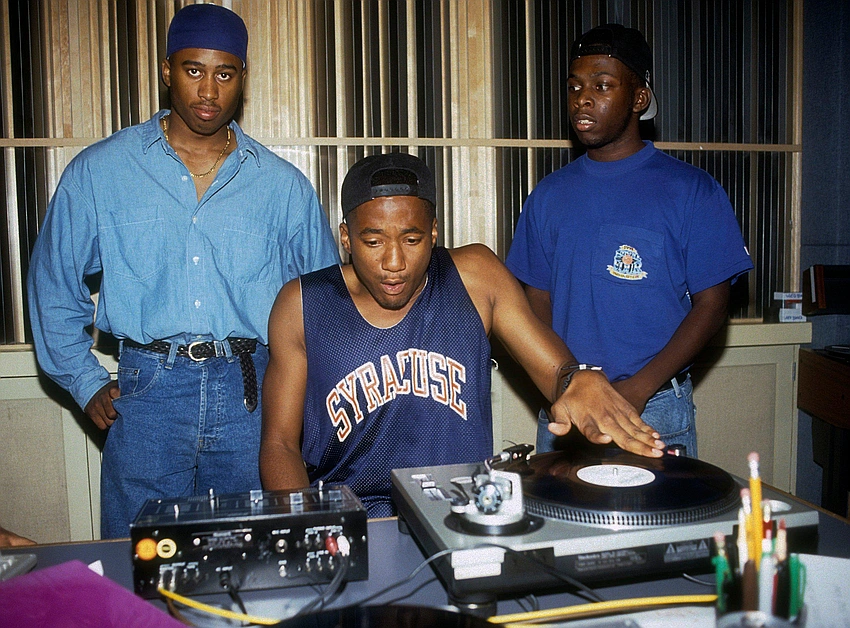
ATCQ's genius on The Low End Theory wasn't just in sampling jazz; it was in understanding its feel . Tracks like 'Excursions' open with a distinct upright bass line, immediately signaling a different kind of journey. Q-Tip, Ali Shaheed Muhammad, and Phife Dawg didn't just loop a horn riff; they immersed themselves in the textures, the improvisational spirit, and the cool sophistication of bebop and hard bop.
Legendary bassist Ron Carter even lent his strings to 'Verses from the Abstract,' a move that epitomized the album's audacious ambition to unite two seemingly disparate worlds. It's like they invited Miles Davis and Charlie Parker to the block party and everyone got along famously.
Lyrical Dexterity, Unmatched Flow
Beyond the impeccable production, The Low End Theory stood out for its lyrical craftsmanship. Q-Tip's abstract, philosophical musings balanced perfectly with Phife Dawg's 'five foot assassin' punchlines and relatable observations about life, love, and the struggles of a young Black man. Their back-and-forth was less a battle, more a nuanced conversation, a jazz duet in lyrical form.
There's a warmth and introspection that pervades the record, inviting listeners into their world rather than shouting at them. It's an album that rewards repeat listens, revealing new layers of wordplay and musical intricacy every time.
“The Abstract Poet, I could make a beat without a pen and pad, but then the rhymes could only be thought-sad.”, Q-Tip, ‘Jazz (We’ve Got The)’
This effortless coolness, a blend of intellectual curiosity and streetwise charm, made them icons. It felt authentic, like eavesdropping on a late-night cipher with the smartest cats in the room.
Why It Still Swings So Hard
The Low End Theory wasn't just a moment; it was a movement. It provided a blueprint for countless artists who followed, proving that hip-hop could be both street-smart and intellectually rich, funky and sophisticated. Its influence echoes in the work of everyone from The Roots to Common, from J Dilla to Kendrick Lamar.
It taught a generation that sampling wasn't just about snatching a beat, it was about reimagining, recontextualizing, and elevating. Its smooth, often understated sound continues to resonate, offering a timeless escape into a world where jazz and rap aren't just compatible, but inseparable.
This album is more than just a classic; it's a vibrant, living testament to the power of musical innovation and collaboration, a record that genuinely makes you want to explore both its hip-hop roots and its jazz inspirations.