Trump: 'More to follow' after strike destroys Iran's largest bridge

Trump: 'More to follow' after strike destroys Iran's largest bridge
Trump claims responsibility for destroying Iran’s largest bridge near Tehran, warning of further action as casualties rise from the Karaj collapse.
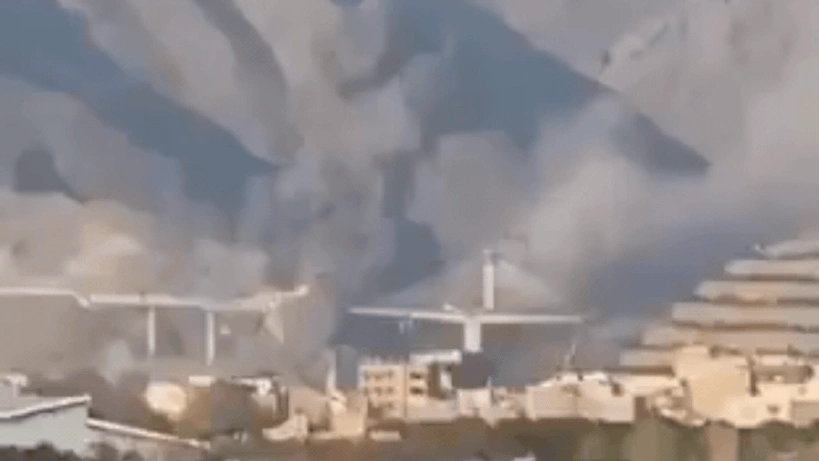
A strike in Iran toppled the 136-meter-high B1 suspension bridge linking Tehran and Karaj, described as Iran’s largest bridge, with the structure splitting in half and a plume of black smoke rising from the scene. Iranian authorities later reported eight dead and 95 wounded as the middle of the span was hit twice, causing the bridge to collapse onto the causeway below. The incident comes amid a week of confirmed strikes and a broader campaign in the region, raising concerns about civilian safety and infrastructure resilience.
Trump claimed responsibility for destroying the bridge and posted footage of the collapse on Truth Social, writing that the bridge “comes tumbling down” and warning there would be “much more to follow” if a settlement to end the war was not reached. The incident follows his primetime remarks declaring the war launched with Israel a success that is nearing completion, during which he again threatened to strike Iran’s power plants.
Reports suggest it is unclear whether civilians were aboard the bridge at the time, though one video appears to show a truck on one side of the span. The strike is part of a series of attacks this week, amid Iran’s reported internet shutdown and heightened restrictions on information. Earlier this week, footage emerged of a major strike on a missile base in Isfahan, further signaling an intensified campaign. The Karaj bridge collapse underscores the risk of escalation and the challenge of protecting critical infrastructure in a rapidly shifting geopolitical landscape.
As the international community watches, questions intensify about the accuracy of claims, the potential for further action, and the humanitarian impact on those living near Tehran and Karaj. The coming days are likely to test diplomatic channels as officials weigh responses to the ongoing violence and its disruptions to transport and daily life.
