MGNREGA replaced by VB-G RAM G: Opposition slams rename and reform

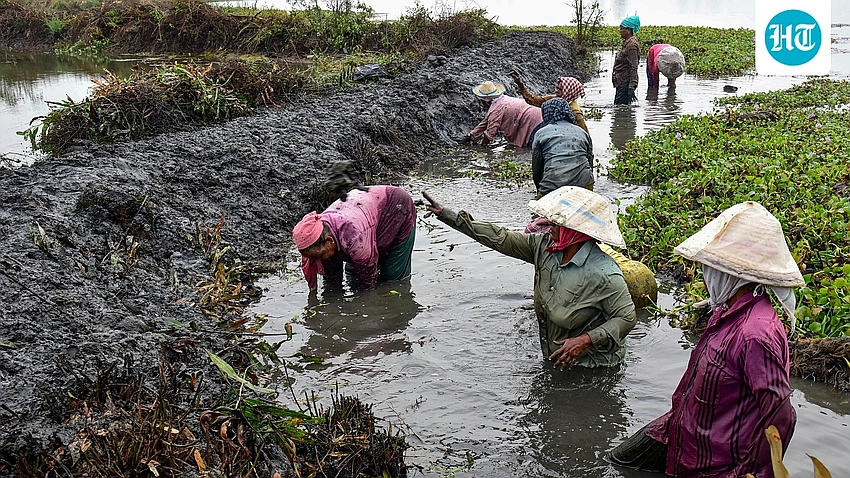
MGNREGA replaced by VB-G RAM G: Opposition slams rename and reform
Government moves to replace MGNREGA with VB-G RAM G Bill, promising 125 days of work and new rural focus, while critics argue it weakens workers' rights and centralizes control.
The government is pushing a new Bill to replace the MGNREGA with the VB-G RAM G framework, reportedly aiming to guarantee 125 days of wage employment and to sharpen focus on water security, rural infrastructure, and climate resilience. Critics say the overhaul could dilute the rights-based foundation of the original Act and shift control away from local bodies to the Centre. The move has sparked a heated political debate, with opposition leaders arguing that the bill sits alongside a broader pattern of renaming schemes that come with additional administrative costs rather than real reform.
Priyanka Gandhi Vadra, a leading voice for the opposition, has criticized the proposal, arguing that the renaming itself is costly and serves as a veneer for cutting funds. She contends the new bill weakens the guarantee for the poorest by transferring decision-making and allocation power from gram panchayats to the central government, potentially undermining local accountability and the very purpose of a demand-driven rural jobs scheme.
Supporters of the VB-G RAM G Bill say the change is about modernizing rural employment, providing more predictable work and income, and introducing digital formalisation to improve transparency. They point to the revamped framework as a way to better address water management, rural infrastructure needs, and resilience to climate impacts, while expanding the scope of work beyond just employment to include long-term development goals.
The opposition has framed the renaming as part of a larger ideological project, accusing the government of erasing Mahatma Gandhi’s name and undermining a rights-based approach. Critics argue that such moves erode confidence among workers who rely on MGNREGA for a steady safety net, and warn of potential budgetary and administrative burdens that could delay or dilute benefits on the ground.
As Parliament in the Winter session navigates these contentious changes, all eyes are on how the new framework will be funded, what the actual wage rate will be, and how quickly districts can transition to the proposed system. The coming weeks are set to reveal how the VB-G RAM G Bill will fare in legislative committees and on the floor of the House, and what it might mean for rural livelihoods across the country.
