CIA Insider Reveals Shocking Secrets About Pakistan and the War on Terror

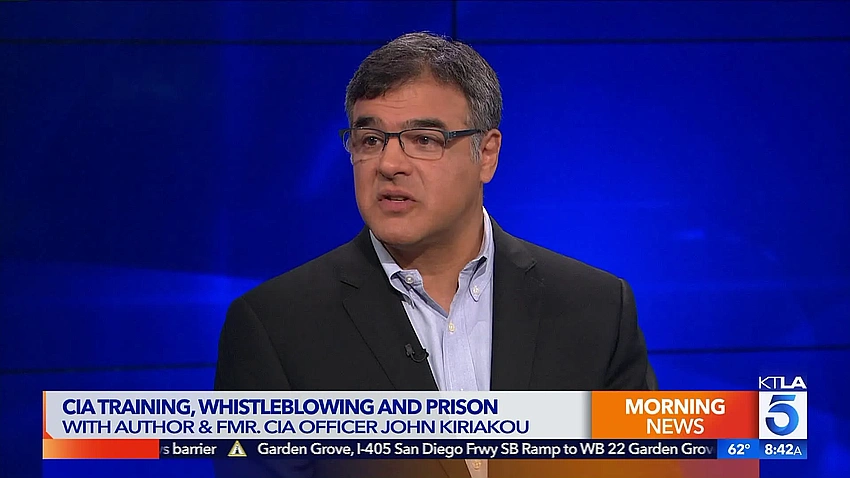
CIA Insider Reveals Shocking Secrets About Pakistan and the War on Terror
Former CIA officer John Kiriakou exposes Pakistan’s double game, nuclear risks, and US failures in the War on Terror.
The War on Terror was never simple. Former CIA officer John Kiriakou has now revealed details that shake the official story. His words expose how Pakistan played both ally and adversary. His testimony shows how the US compromised values for power.
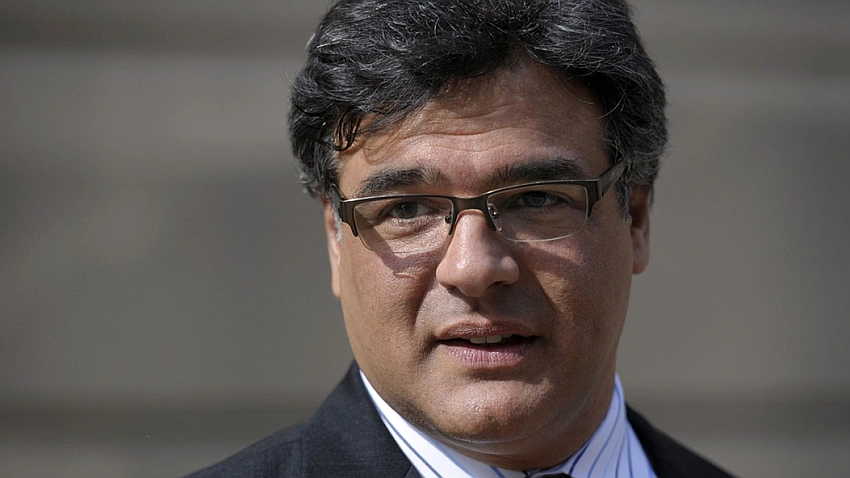
Kiriakou served as chief of counterterrorism operations in Pakistan. He was there during the most intense years after 9/11. He saw how the US relied on Pakistan while knowing the risks. He witnessed how Osama bin Laden escaped. He also saw how nuclear secrets were traded in the shadows.
He says bin Laden was cornered at Tora Bora in 2001. The US had him trapped. But a translator, secretly loyal to al Qaeda, convinced General Tommy Franks to delay. That pause gave bin Laden the chance to flee. He escaped into Pakistan disguised as a woman. This single failure changed the course of history.
Kiriakou describes how the US chose to work with dictators. Pervez Musharraf was the perfect partner for Washington. He was easy to control. He was willing to take cash. The CIA delivered tens of millions of dollars to the ISI. Musharraf balanced American demands with Pakistan’s obsession with India. The US looked away as Pakistan tolerated extremist groups.
The ISI was never one agency. Kiriakou explains there were two sides. One was professional and Western trained. The other was loyal to extremists. The CIA never trusted them fully. Targets were kept secret. The US knew that leaks could cost lives.
He also recalls the capture of Abu Zubaydah. The CIA believed he was al Qaeda’s number three. He was tracked through his phone. He was captured in Pakistan. But the intelligence was wrong. Zubaydah was not a senior leader. He was tortured. He was never charged. He remains in Guantanamo Bay.
Nuclear proliferation was another hidden danger. Kiriakou points to AQ Khan. Khan built Pakistan’s nuclear program. He also sold secrets to North Korea and Libya. The CIA wanted to stop him. But the White House ordered silence. Saudi Arabia pressured Washington to protect Khan. The US obeyed. Nuclear technology spread unchecked.
India faced repeated terror attacks. The 2001 Parliament attack and the 2008 Mumbai attacks tested its patience. Yet India showed restraint. Kiriakou says Pakistan would lose any conventional war. The US urged both sides to avoid escalation. He suggests Washington may have even provided technology to secure Pakistan’s nuclear arsenal.
Kiriakou’s story is not just about geopolitics. It is also about morality. He refused to take part in torture. He blew the whistle in 2007. The Bush administration ignored him. The Obama administration prosecuted him. He was sentenced to prison. He served 23 months. He says it was worth it. He believes torture was illegal and immoral.
His revelations show how the War on Terror enriched the few. Defense contractors made billions. Intelligence firms grew powerful. Politicians gained influence. Ordinary people gained nothing. Freedoms were lost. Safety was not improved.
The story of Pakistan and the CIA is one of shadows. It is about money, power, and survival. It is about nuclear secrets traded for silence. It is about dictators supported for convenience. It is about terrorists slipping away because of betrayal.
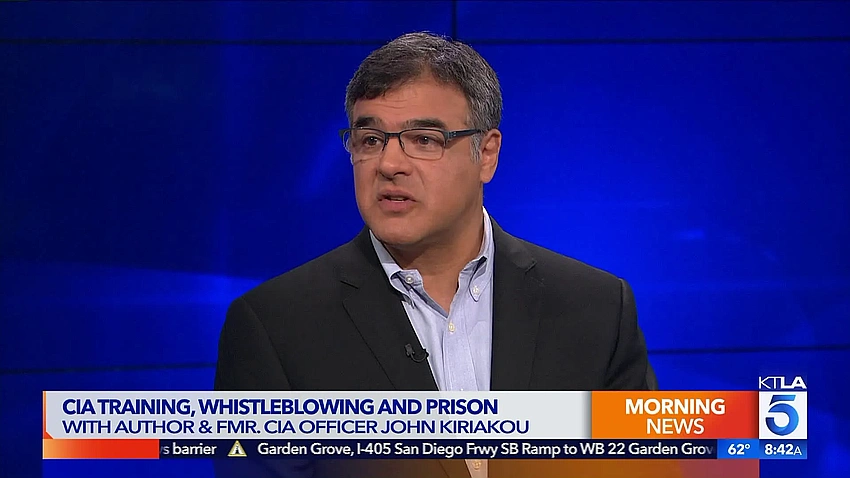
Kiriakou’s words matter because he was there. He saw the deals. He saw the failures. He paid the price for speaking out. His account forces us to question the official narrative.
The War on Terror was not about freedom. It was about control. It was about oil. It was about weapons. It was about influence. The victims were truth and justice.
Pakistan remains a nuclear power with deep ties to extremist groups. The US remains tied to Pakistan for strategic reasons. India remains cautious but stronger. The region remains unstable.
Kiriakou’s testimony is a warning. It shows how secrecy and compromise create long term risks. It shows how short term deals create future dangers. It shows how truth is often buried until someone dares to speak.
The War on Terror may be over in name. But its consequences remain. The alliances, the betrayals, and the lies continue to shape global politics.
Kiriakou’s story is not just history. It is a lesson. It is a reminder that power without accountability is dangerous. It is proof that whistleblowers matter. It is evidence that the truth always finds a way out.
Sources:
- ANI Interview with John Kiriakou (October 2025)
- Books by John Kiriakou
- The Reluctant Spy: My Secret Life in the CIA’s War on Terror (2009)
- Doing Time Like a Spy: How the CIA Taught Me to Survive and Thrive in Prison (2017)
- Letters from Loretto: A Prison Memoir (2015)
