US approves $11B arms sale to Taiwan, sparking Beijing fury

US approves $11B arms sale to Taiwan, sparking Beijing fury
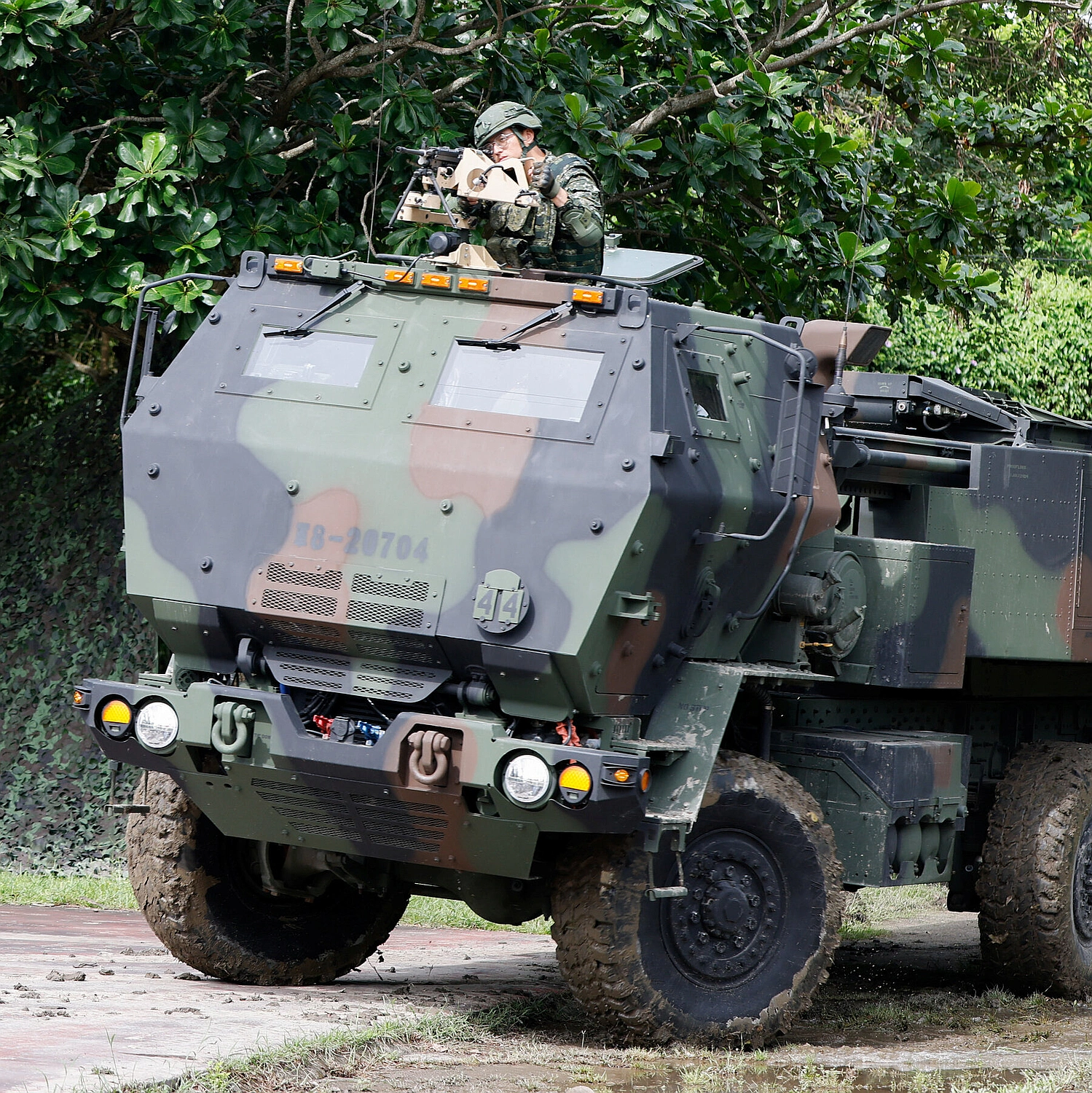
Washington approves an $11 billion arms package for Taiwan, including HIMARS, drones, and howitzers, signaling continued support amid rising cross-strait tensions.
The United States has approved an $11 billion arms package for Taiwan, announced on December 18, 2025, with Washington signaling a robust commitment to Taipei’s security. The package features HIMARS rocket systems, self-propelled howitzers, anti-tank missiles, drones, and other equipment, and is subject to U.S. Congressional approval before finalizing the sale. This would be one of the largest weapons transfers to Taiwan in recent years and the second such announcement since the Trump administration returned to office in January.
Taiwan’s Foreign Ministry welcomed the package, describing it as a clear demonstration of the United States’ enduring security commitments to the island. The development underscores Taipei’s ongoing push to strengthen its defense capabilities in the face of intensified pressure from Beijing. A prior, smaller tranche worth about $330 million was announced in November, making the December package a significant expansion of military support.
China condemned the move, urging Washington to adhere to the one-China principle and warning of “resolute and forceful measures” to safeguard its territorial integrity. Beijing’s reaction reflects the sensitivity surrounding arms sales to Taiwan and the broader risk of escalating cross-strait tensions. Analysts say that while the sale signals Washington’s strong backing for Taiwan, it could complicate diplomacy by hardening positions on both sides.
If approved by Congress, the package would provide Taiwan with long-range precision capabilities, mobility, and enhanced unmanned systems—elements Taipei says are essential for deterring potential aggression and maintaining strategic balance in the Taiwan Strait. The size of the proposed sale has drawn comparisons to the $18 billion package authorized under a prior administration in 2001, highlighting how current support marks a potentially game-changing shift in regional security dynamics.
Beyond the military specifics, the deal places U.S. policy on defense commitments in Asia under closer scrutiny in Washington. Lawmakers will weigh security priorities, regional alliances, and the broader implications for U.S.-China relations as they evaluate the sale’s final approval and its long-term impact on stability in the region.
