Pollution Darkens Himalayan Glaciers, Fueling Flood Disaster Fears

Pollution Darkens Himalayan Glaciers, Fueling Flood Disaster Fears
Soot and pollution are rapidly melting glaciers in Nepal and Tibet, increasing flood risks for millions. Discover the alarming impact and international efforts to help.
Alarming new reports reveal that glaciers across Nepal and Tibet are melting at an unprecedented and dangerous rate, largely due to atmospheric pollution. Soot and other dark particles from vehicles and industrial factories are settling on the pristine ice, darkening its surface. This discoloration causes the glaciers to absorb more heat from the sun, accelerating the melt process.
It's a direct threat to the communities living downstream.
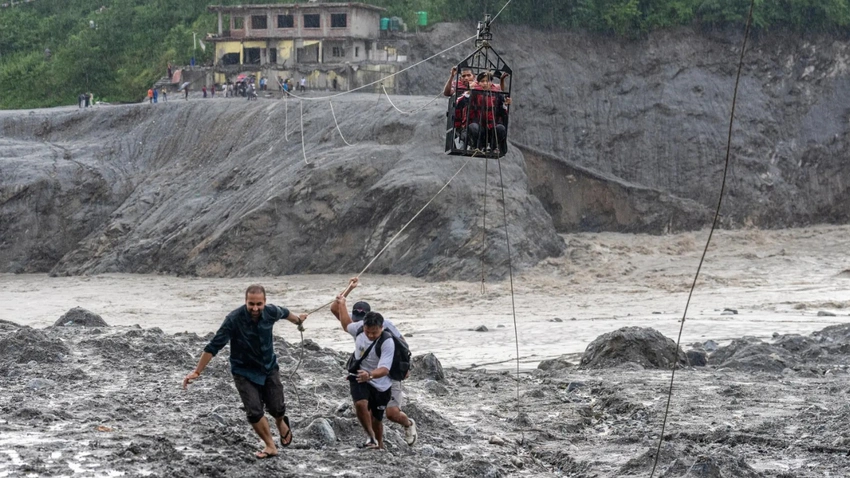
The increased volume of meltwater is raising the risk of devastating flood disasters in the region, endangering lives and livelihoods.
Experts warn that without intervention, these areas could face more frequent and severe flooding events, displacing populations and causing widespread destruction.
The human toll of these environmental changes is already being felt. In response to recent flood-ravaged areas in Nepal, India has pledged support to help rebuild a school. This gesture underscores the urgent need for international cooperation to address the consequences of climate change and pollution in vulnerable regions like the Himalayas.
The Himalayas, often called the 'Third Pole' due to their vast ice reserves, are crucial water sources for billions of people across Asia.
The accelerated melting of these glaciers poses a long-term threat to water security, agriculture, and infrastructure.
The situation calls for immediate global attention to reduce emissions and develop strategies to mitigate the impact of glacial melt and prevent future humanitarian crises.

Login to comment.
No thots yet. Be the first to share your thoughts!