Northern Lights Spark Across U.S. and NZ/Australia Skies Tonight

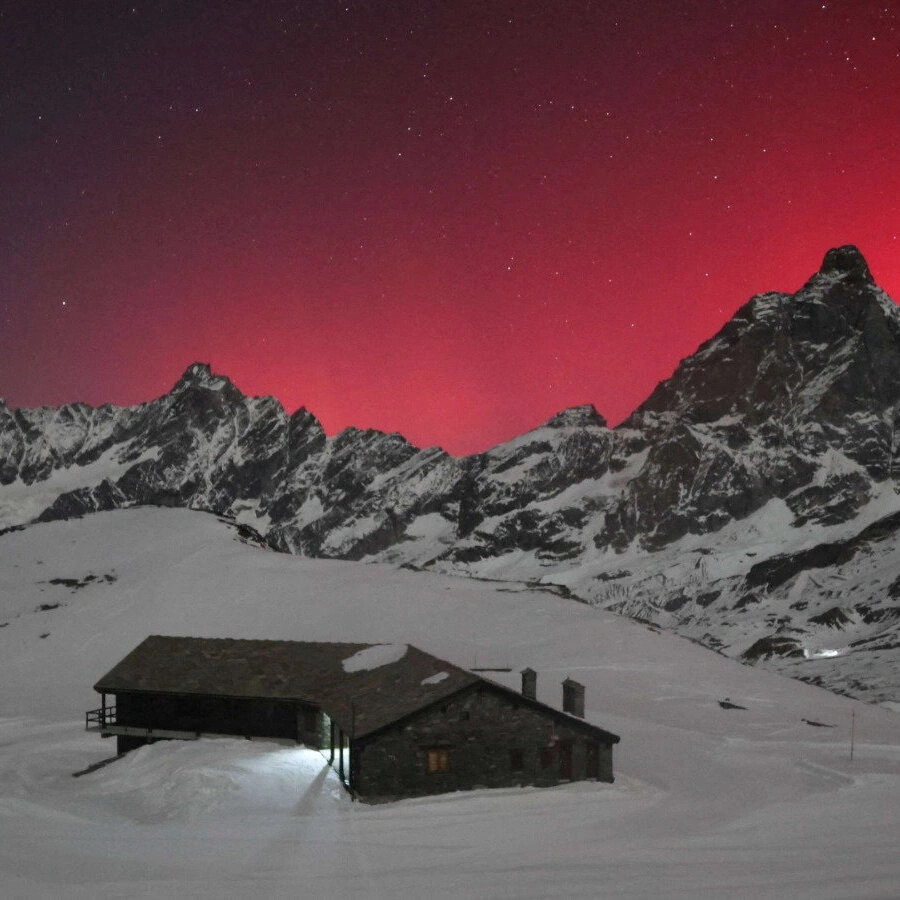
Northern Lights Spark Across U.S. and NZ/Australia Skies Tonight
A powerful geomagnetic storm lights up skies from the U.S. to New Zealand and Australia, with auroras dazzling observers and some spaceflight plans briefly delayed.
Tonight’s sky show is being driven by a powerful geomagnetic storm that lit up skies from coast to coast in the United States and across the Southern Hemisphere. Observers reported vivid bands of color and shifting curtains of green, pink, and violet as the aurora borealis drew a late-night light show over Perry Lake near Perry, Kansas, and in several other states. Skywatchers were urged to stay alert for the best viewing window after sunset as conditions fluctuate with the storm’s intensity.
In the southern skies, the aurora australis carried the light show to New Zealand and Australia, with pinks, violets, and greens sweeping overhead. It’s tied to a G4 geomagnetic storm, one of the strongest in years, fueled by bursts of solar energy colliding with Earth’s magnetic field. The spectacle drew photographers and families out to remote beaches and open hillsides to snap the colorful arcs and share the moment with others watching from around the world.
The storm’s reach wasn’t limited to the night sky. In the United States, the geomagnetic activity briefly delayed the launch of two NASA Mars-bound spacecraft, underscoring how solar activity can ripple through space missions. The timing also prompted viewing advisories and renewed interest in aurora season across the Northern and Southern Hemispheres.
For anyone hoping to catch the show tonight, experts offer tips: find a dark location away from city lights, let your eyes adjust to the dark, and check local forecasts for clear skies. Conditions can shift quickly, so a flexible plan and warm clothing help. With activity expected to ease a bit, another viewing opportunity may still appear, especially in regions with a history of strong auroral displays.
Bottom line: whether you’re under U.S. plains or southern skies, the aurora borealis and aurora australis remind stargazers that solar activity is a dynamic show that can arrive when you least expect it.
Cover image source: How to See the Northern Lights on Wednesday 🔗
