ISRO Set to Launch PSLV-C62/EOS-N1, Deploy 14 Satellites on Jan 12

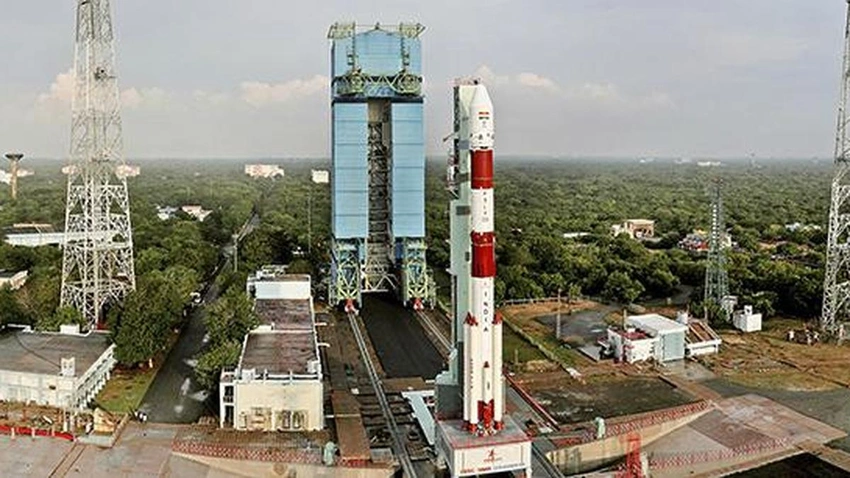
ISRO Set to Launch PSLV-C62/EOS-N1, Deploy 14 Satellites on Jan 12
ISRO readies the PSLV-C62/EOS-N1 mission from Sriharikota to place 14 satellites, including EOS-N1 from Thailand and the UK, into sun-synchronous orbit.
The countdown is on for ISRO's first satellite launch of 2026, with the PSLV-C62/EOS-N1 mission scheduled to lift off from the first launch pad at the Satish Dhawan Space Centre in Sriharikota. The lift-off time was updated to 10:18 am, pushed back by a minute from 10:17 am, as officials confirmed the plan for a precise ignition and deployment sequence. The mission, undertaken by NewSpace India Limited (NSIL), carries a total of 14 co-passenger satellites alongside an Earth observation satellite, all destined for a sun-synchronous orbit.
Among the 14 satellites, the EOS-N1 Earth observation satellite is a key domestic-to-international collaboration, with initial payloads including satellites built by Thailand and the United Kingdom. The total mass of the PSLV-C62 rocket is nearly 260 tonnes, underscoring the scale of this orbital delivery. Once the rocket clears the launch complex, the EOS-N1 satellite will be deployed first, followed by 13 other co-passenger satellites roughly 17 minutes after liftoff, completing a coordinated sequence to populate the targeted orbit.
This flight marks another milestone for the PSLV program, which has completed 63 flights to date and has a storied history of delivering complex missions. Notable achievements in the PSLV lineup include the Chandrayaan-1 mission to the Moon, the Mars Orbital Mission (MOM), and the Aditya-L1 mission. ISRO’s use of the PSLV for this mission highlights its continued role as a versatile launcher, capable of delivering multiple satellites for both domestic and international customers in a single launch window.
The EOS-N1 mission, as part of a multi-satellite deployment plan, emphasizes India’s growing role in commercial space services through NSIL, while expanding Earth observation capabilities and international collaboration in space technologies. As launch day approaches, observers and space enthusiasts alike are watching closely to gauge the readiness of the upper stages, the reliability of the payload deployment sequence, and the prospects for more multi-satellite launches in the near future.
