The New Glow Up: Men's Tans – Self-Care or Style Cycle?

The New Glow Up: Men's Tans – Self-Care or Style Cycle?
Tanning is back for men, but is this 'aughts' revival about genuine self-care or just another turn of the style wheel? We explore the evolving reasons behind the male glow-up.
The Bronze Age Returns: What’s Really Driving Men’s Tans?
It’s official: the 'aughts style' revival isn’t just about low-rise jeans and pop-punk playlists. It’s bringing back something far more pervasive: the tan. But this isn't just a simple fashion callback; it’s a fascinating lens through which to view modern masculinity and grooming. The question on everyone’s mind, and certainly ours, is whether this return to a bronzed aesthetic is a genuine embrace of self-care or merely a dip into outdated ideals with a contemporary twist.
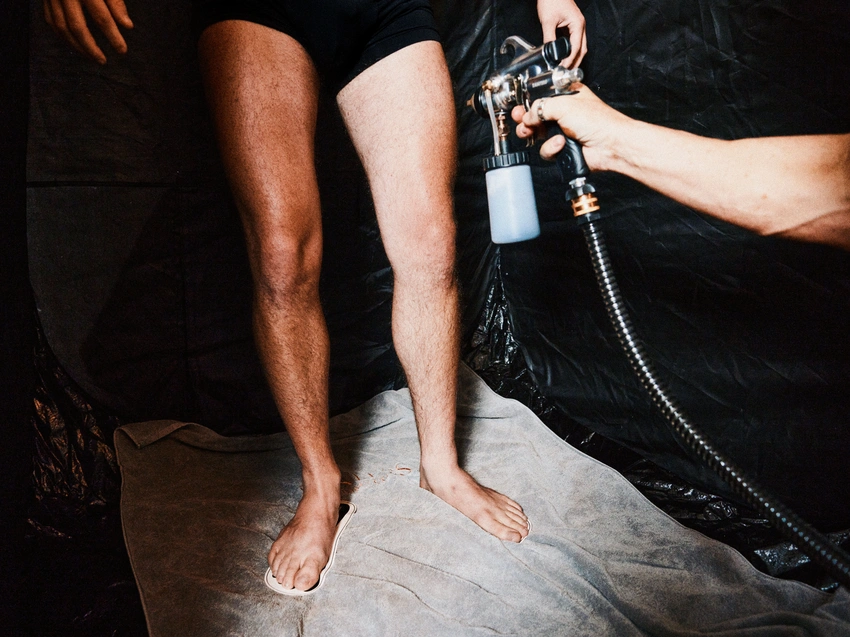
Historically, a tan has been linked to various notions, from health and outdoor athleticism to sheer vanity. Today, with increased awareness of UV damage, the conversation has shifted. When we talk about men investing in a tan, we’re often talking about the least-damaging way to achieve that look. Think about it: shelling out $500 for a spray tan, as some are doing, isn't a casual decision. It speaks to a deliberate, conscious investment. This move away from sunbeds and prolonged sun exposure suggests a priority on skin health, a nod to self-preservation while still desiring a certain aesthetic. Is this not, in its own way, a form of self-care? It’s about feeling good, looking vibrant, and presenting a polished version of oneself, all without the long-term risks associated with traditional tanning.
Yet, we must ask: Is the desire for the tan itself rooted in something deeper, perhaps even a subconscious echo of older ideals? The 'bronzed god' archetype, a symbol of virility and leisure, has a long history. While the method of achieving that glow has evolved to be safer, is the image still tied to a past vision of masculinity that perhaps needs re-evaluation? If the primary driver is to conform to an external standard, however aesthetically pleasing, can we truly classify it as self-care, which ideally originates from an internal space of well-being?
Perhaps the truth lies in the nuanced middle. The landscape of men’s grooming has broadened significantly. Skincare routines, hair styling, and even subtle cosmetic enhancements are no longer niche. A professionally applied tan fits seamlessly into this modern regimen, offering an instant boost of confidence, a healthy-looking complexion, and a feeling of freshness. It’s about personal expression and feeling good in one’s skin, but with a critical difference: the emphasis on safety. The discerning man today wants the look without the legacy of skin damage.
Ultimately, the resurgence of men’s tanning, particularly through safer avenues, isn't just a trend; it’s a dialogue. It highlights the evolving relationship men have with their appearance, balancing aesthetic desires with health consciousness. Is it self-care? Is it an outdated ideal? Perhaps it's a bit of both, constantly renegotiated in the pursuit of the perfect, safe glow.
