Silicon Valley's New Talk: Are Humans Becoming Chatbots?

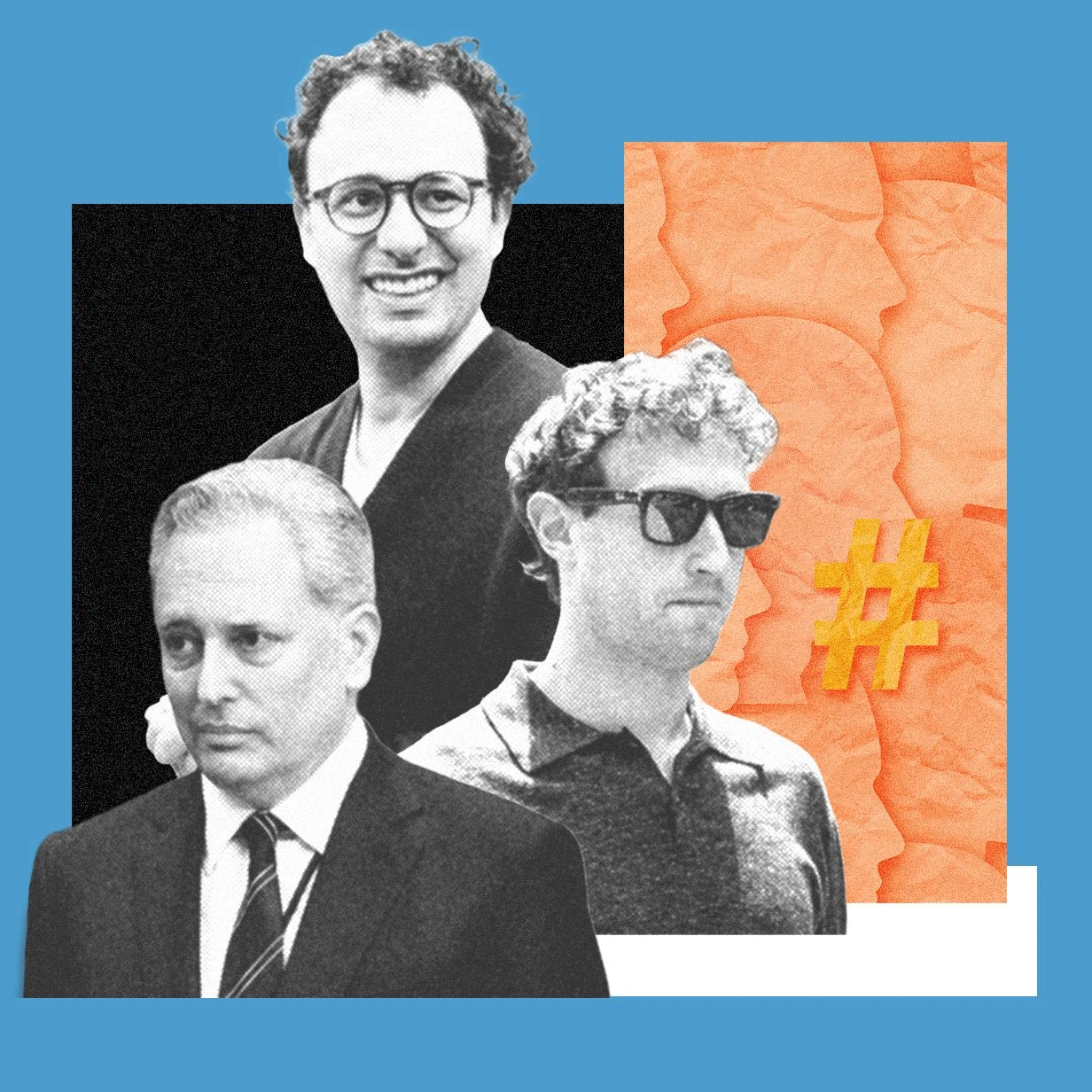
Silicon Valley's New Talk: Are Humans Becoming Chatbots?
Dive into Silicon Valley's bizarre new lingo where people describe themselves with AI terms like "hallucinating" and "context rot." Is this tech slang here to stay?
Silicon Valley has long been known for its unique lexicon, a jargon-filled landscape where terms like "high agency" and "orthogonal bets" are common currency among venture capitalists and tech innovators. However, a peculiar linguistic shift is now underway, seeing individuals adopt the language of artificial intelligence to describe their own human experiences and mental states.
It seems that in the heart of tech innovation, people are increasingly talking as if they were chatbots.
Imagine misspeaking and attributing it to "hallucinating," a term usually reserved for AI models generating incorrect or fabricated information.
Or perhaps you can't recall a specific detail, casually remarking that it's simply not in your "training data." This trend extends to more complex human experiences: feeling forgetful might be dismissed as "context rot," a phrase originally coined to describe the degradation of an AI bot's responses over prolonged conversations.
Conor Bronsdon, host of an AI-focused podcast, even shared, "I've been telling my wife I have context rot for months," highlighting how deeply this language is permeating everyday life in San Francisco.
The adoption of AI terminology doesn't stop there. A friend might describe themselves as "high temperature," signifying a tendency towards randomness, a direct parallel to how AI experts describe models prone to varied outputs.
Learning something new transforms into "updating your weights," and introspective thought processes are now referred to as training on "synthetic data." One software engineer humorously noted on a tech forum, "Humans have a huge base model trained over billions of years of evolution.
It's impressive how quickly we learn, but it's arguably comparable to fine-tuning."
This emerging dialect, dubbed "modelmorphism," represents an intriguing reversal of anthropomorphism. While we often attribute human qualities to nonhuman entities like chatbots, the current trend sees people applying algorithmic, machine-like descriptions to themselves. AI experts have previously cautioned against anthropomorphism, warning that it can be misleading when interacting with artificial intelligence.
Yet, the reverse phenomenon is now unfolding in our daily conversations, blurring the lines between human and machine in a subtle, linguistic way.
The unsettling nature of this new tech-speak is hard to ignore.
Describing the richness and complexity of human life in detached, algorithmic terms can feel bleak, even dehumanizing. It raises questions about how we perceive ourselves and our consciousness in an increasingly AI-driven world.
However, language is a dynamic entity, acting as a "fossil record" of past technological revolutions. Just as industrialization and the digital age introduced new terms into our vernacular, it's plausible that some of this AI-inspired slang may endure, shaping how future generations express their experiences.
The comparisons began to gain significant traction a few years ago, following discussions among AI researchers.
This linguistic evolution serves as a powerful indicator of AI's pervasive influence, not just on technology and industry, but on our very understanding and articulation of human existence.
Whether this is a fleeting trend or a lasting shift, one thing is clear: the way we talk about ourselves is increasingly reflecting the machines we create.
