Russia reportedly shares intelligence with Iran to target U.S. forces

Russia reportedly shares intelligence with Iran to target U.S. forces
New disclosures say Moscow is aiding Tehran with intelligence that could help strike U.S. ships and aircraft amid a regional security gamble.
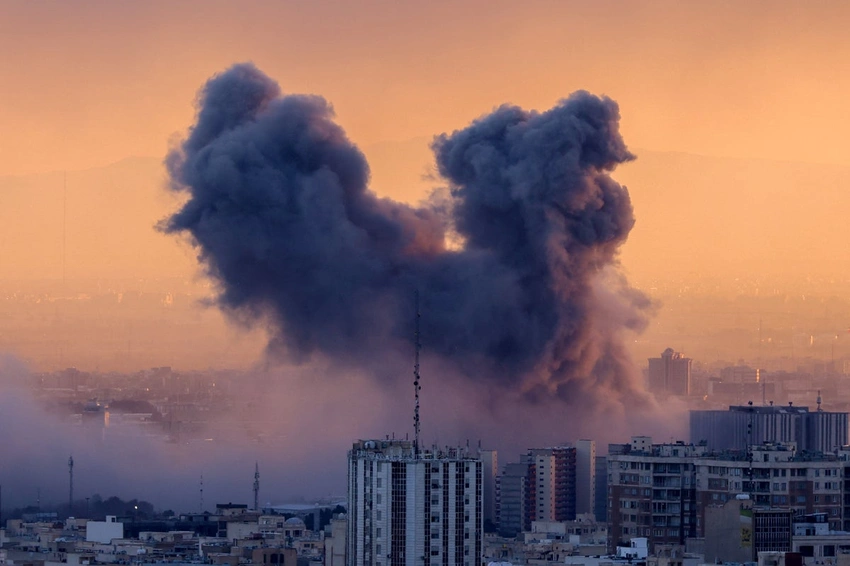
Days of regional tension have taken a new turn as assessments indicate Moscow is providing Tehran with information that could help Iran target American ships, aircraft, and other military assets in the region. The reports describe a growing alignment between two powers seeking to counter Western pressure amid a joint U.S.-Israel bombing campaign in the area.
Experts caution that the details of what is being shared remain unclear, but the potential guidance could cover surveillance patterns, naval movements, and other indicators essential for precision targeting. Such assistance would mark a significant escalation in the Russian-Iranian partnership, underscoring a shared interest in pushing back against Western military activity in the Gulf and broader Middle East.
The implications are deeply worrying for regional stability. U.S. and allied officials have warned of the danger of miscalculation as rivals exchange sensitive data amid high-stakes messaging. Tehran has not publicly confirmed the arrangement, but its long-standing ties with Moscow have deepened in recent years as both powers seek to expand influence and deter Western pressure. The prospect of joint support from Moscow could complicate ships’ routes, increase the risk of incidents at sea, and widen the theater of retaliatory moves beyond the Syrian border.
Analysts say the evolving alliance reflects a broader pattern: major powers recalibrating their security calculations in the face of a durable U.S. military footprint and a multi-front regional challenge. If confirmed, the transfer of intelligence would deepen the strain on U.S. and allied forces in the region and could prompt new diplomatic outreach or security measures by Western partners.
For now, officials urge caution and emphasize that intelligence sharing, even if limited, can have far-reaching consequences. The situation remains fluid, with competing narratives and a push-pull dynamic between deterrence and escalation shaping the next steps in a volatile theater of operations.
