AI: Medical Marvel or Robotic Replacement? Unpacking the Diagnostic Revolution

AI: Medical Marvel or Robotic Replacement? Unpacking the Diagnostic Revolution
AI is revolutionizing how we detect diseases, catching patterns doctors might miss. But is it time to trust algorithms over human expertise? Dive into the future of healthcare diagnostics!
The AI Doctor Is In: Friend or Foe to Human Healers?
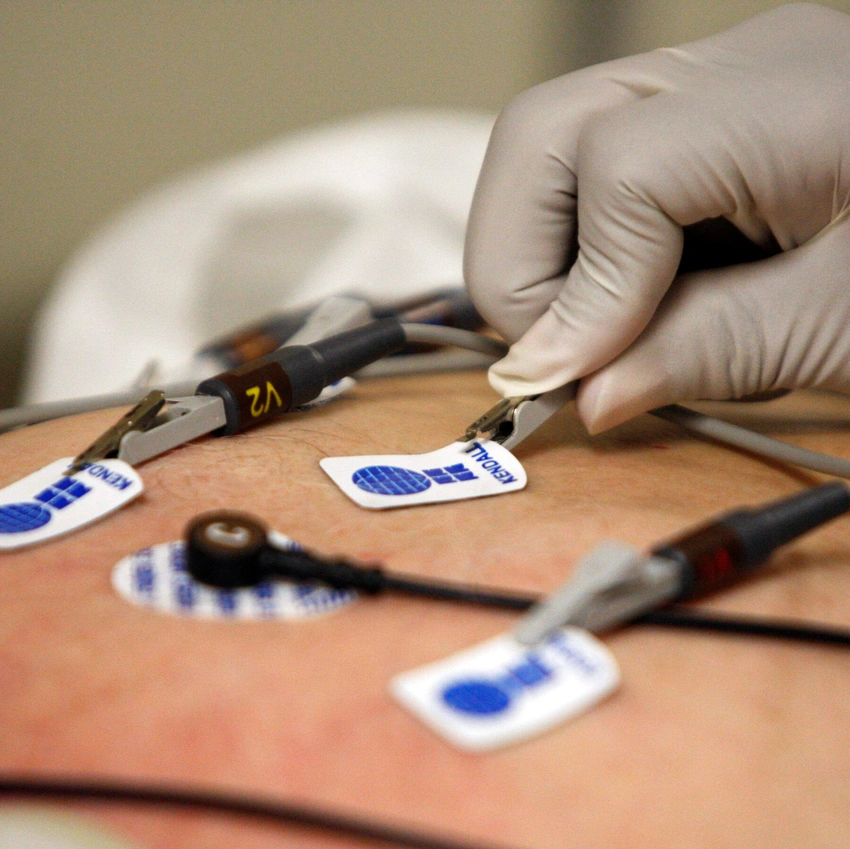
Imagine a future where a quick scan or test reveals hidden health threats, not just through a doctor's trained eye, but with the added vigilance of artificial intelligence. It sounds like science fiction, yet this reality is rapidly unfolding, particularly in the realm of medical diagnostics. We're seeing algorithms that can sift through complex data, like electrocardiograms, to identify subtle indicators of serious conditions that even experienced human practitioners might overlook. This isn't just an incremental improvement; it's a monumental shift, potentially catching diseases earlier and saving countless lives.
The power of AI lies in its unparalleled ability to recognize patterns within vast datasets. While a human doctor interprets an EKG based on years of training and experience, an AI can be trained on millions of such scans, identifying correlations and anomalies that are imperceptible to the human eye or even beyond human cognitive capacity. Think of it as having an extra, incredibly powerful set of eyes, tirelessly analyzing data for clues to your well-being. The promise here is early detection, leading to faster treatment, better outcomes, and a significant reduction in diagnostic errors.
This remarkable capability inevitably sparks a crucial question: Should we begin to trust algorithms more than our doctors? The answer, unequivocally, is no. The integration of AI into medicine isn't about replacing the human element, but rather empowering it. A doctor brings invaluable qualities to the diagnostic process: empathy, ethical judgment, an understanding of a patient's personal history and lifestyle, and the ability to communicate complex information with compassion. AI can tell us what might be wrong, but a doctor helps us understand why it matters to us, and how to move forward.
Consider a scenario where an AI flags a potential heart issue from a routine EKG. This isn't a diagnosis; it's an alert. The doctor then takes this alert, combines it with the patient's symptoms, medical history, and a physical examination, and then sprinkles in their own expertise to formulate a comprehensive care plan. The AI acts as an incredibly sophisticated assistant, augmenting the doctor's capabilities, freeing up their time for more patient-focused interaction, and enhancing diagnostic accuracy. It's about creating a medical dream team, where the precision of machines meets the wisdom and humanity of skilled practitioners.
The widespread availability of such powerful diagnostic tools, even for free, marks a pivotal moment. It democratizes access to advanced medical insights, potentially bridging gaps in healthcare disparities. However, as with any powerful technology, thoughtful implementation, robust validation, and ongoing oversight are critical. We must ensure these algorithms are fair, unbiased, and transparent, and that healthcare professionals are adequately trained to integrate them effectively into their practice.
Ultimately, the future of medicine is not a choice between algorithms and doctors. It's a synergy. AI is a game-changer, undoubtedly, for its capacity to see what we can't. But the art of healing, the nuanced decision-making, and the human connection will always remain at the heart of healthcare, expertly guided and significantly enhanced by our digital allies. This collaboration promises a healthier, more efficient, and more insightful future for us all.
