Parasocial Friendships
Parasocial Friendships
Parasocial Friendships
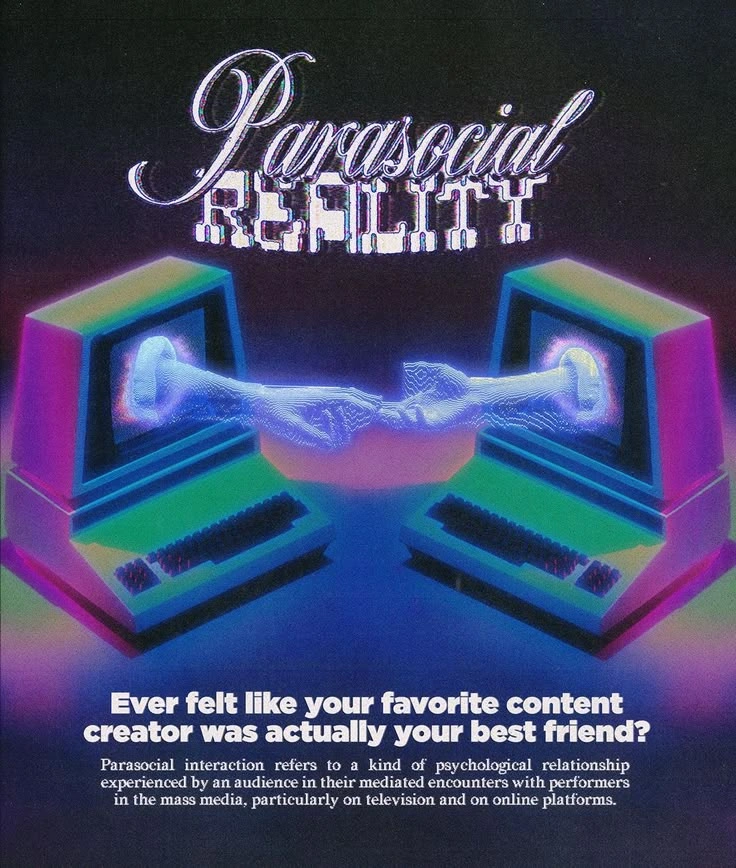
There's this really strange paradox in the digital age these days: people who we've never even met in real life sometimes feel like they're the only person who understands us and our comfort zones, as if they've known us their entire lives. These one-sided bonds have become this huge thing and a defining feature of online culture.
These relationships, which we can also call parasocial friendships in a fancier way, are literally everywhere now. While they're not exactly new, because celebrities and fan clubs have been around for over a very long time now, but social media has blurred the line between a star and a stranger now.
Influencers today talk to us by going live, showing their days as an influencer, replying to DMs with heart emojis, and now, suddenly, the barrier between 'fan' and 'friend' doesn't seem too wide.
But what do these friendships mean for us? Are they harmless sources of joy? Or are they quietly reshaping the way we connect with real people and stuff? We may never know.
Parasocial friendships aren't all bad, though. In fact, many of us seek them for quite some valid reasons, such as being comforted while in loneliness, feeling a sense of belonging with them rather than with those friends in real life because they just GET you, and for some, parasocial figures serve as inspiration.
So, the key here is: parasocial bonds can add value to our lives, as long as they're not replacing every other form of social interaction we have and forming bad habits for the latter.
For example, if a streamer doesn't reply to a person's comment, it feels like they've been betrayed. If a K-pop idol dates someone new, fans might react with outrage, as if they were cheated on. This is where all of these parasocial friendships reveal their darker side. They give us emotional investment without actual reciprocity, and it shows.
Imagine comparing your messy real-life friendships to those online(parasocial), which feels perfect. Your favorite influencer always 'gets' you, matches your vibe, goes to all those places that you've been wanting to visit, and see it through their aesthetic lenses, and they never criticize you. Whereas, your real friendships, with all their imperfections, miscommunications, vulnerability, and emotional stability, seem way less appealing than the parasocial ones you have online.
That's where the danger lies. We risk chasing made-up, curated friendships over real ones, and it's not safe in the long run.
Social media has made parasocial relationships more intense than ever because influencers build brands on intimacy. Unlike movie stars who live in mansions far away, influencers sell relatability. They post “get ready with me” videos in messy bedrooms, cry on camera about their breakups, or livestream themselves eating takeout like any other person.
That relatability tricks us into lowering our guard. We think: “They’re just like me. They’d totally be my friend in real life.” And maybe they would—but chances are, they’ll never know you exist among their millions of followers.
So, how do we keep parasocial friendships from consuming us?
- Awareness is everything: Acknowledge that it's one-sided. They're not your best friend, and that's completely okay.
- Use it for positivity: don't let it replace real socialising.
- Diversify your connections: invest in actual friendships, even if they're messy. Unlike parasocial bonds, they can actually hug you, support you, and even show up when you need them to in hard times.
- Set boundaries: if you find yourself spiraling out because your favorite idol didn't go live today, it's really time to take a step back.
From my perspective, parasocial friendships remind us of something universal: we all crave connection, intimacy, and understanding. And sometimes, even a stranger on a screen can make us feel seen. The trick is remembering that real life—messy, complicated, unpredictable real life: matters way more than this online one.
And maybe that’s the balance we need to find- allowing parasocial friendships to comfort us, but never letting them replace the real ones.
