Why Your Skin Remembers Old Breakouts: The Hidden Biology of Acne Marks

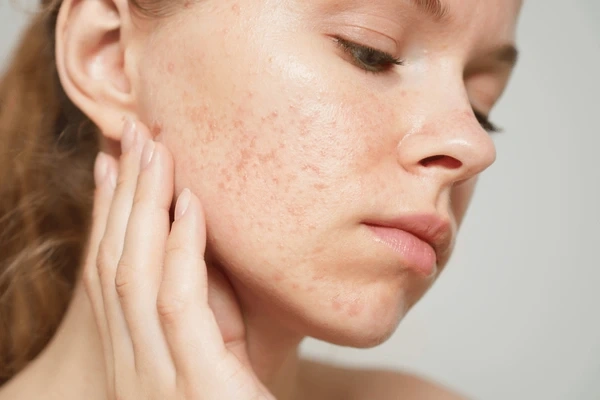
Why Your Skin Remembers Old Breakouts: The Hidden Biology of Acne Marks
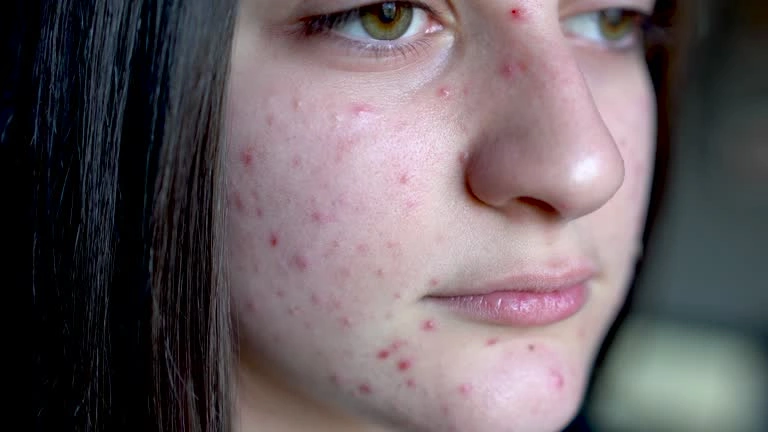
Acne often feels temporary, but many people notice that their skin seems to “remember” past breakouts long after the pimples disappear. Marks, uneven texture, and discoloration can linger for weeks or months. This happens because acne does not only affect the surface of the skin. Each breakout triggers a biological response deep within the skin layers. Understanding how this process works can help people build smarter skincare routines that focus on prevention, repair, and long term skin balance. Many dermatologists emphasize that consistent cleansing with a deep cleansing face wash 🔗 is one of the first steps in maintaining pores and preventing repeated inflammation that may leave visible marks.
How Breakouts Trigger Skin Memory
When a pimple forms, the body immediately begins responding to inflammation. The immune system sends signals to the skin cells around the affected pore to repair the damage caused by bacteria and excess oil.
During this process, several biological changes occur:
- Increased blood flow to the area
- Activation of skin healing cells
- Production of melanin in response to irritation
- Remodeling of collagen within the skin
These responses help heal the skin, but they can also leave behind visible reminders of the breakout. The marks people see after acne are often the result of the skin’s repair process rather than the pimple itself.
Why Some Acne Leaves Marks While Others Do Not
Not every breakout leaves a mark. The severity of inflammation plays a major role in determining whether the skin will develop post-acne discoloration or texture changes.
Several factors influence this process:
- Depth of the clogged pore
- Duration of inflammation
- Skin type and melanin levels
- Habits such as touching or picking at pimples
When inflammation penetrates deeper layers of the skin, it can disrupt collagen structures and pigment cells. This disruption is what creates dark spots or uneven skin tone after the pimple heals.
The Role of Melanin in Post-Acne Marks
Melanin is the pigment responsible for skin color. During inflammation, the skin often produces extra melanin as part of its protective response.
This increase in pigment can lead to dark spots that remain even after the acne clears. These marks are commonly known as post inflammatory hyperpigmentation.
People with higher natural melanin levels may experience darker or longer lasting marks because their skin produces more pigment during the healing process.
Although these spots can fade over time, proper skincare helps support the skin’s natural renewal cycle and speeds up recovery.
The Skin’s Natural Renewal Process
Skin constantly renews itself through a process called cellular turnover. New skin cells are created in deeper layers and gradually move toward the surface.
During this cycle:
- Fresh cells form in the lower layers of the epidermis.
- Older cells slowly rise toward the surface.
- Dead cells eventually shed away.
When the skin renews itself efficiently, marks from past breakouts gradually fade. However, when this process slows down, discoloration may linger longer than expected.
Factors such as stress, dehydration, and harsh skincare products can disrupt this natural renewal cycle.
Why the Skin Barrier Matters in Acne Recovery
The skin barrier is the protective outer layer that keeps moisture inside while shielding the skin from environmental stressors.
A damaged barrier can slow down the healing process and make the skin more sensitive to inflammation. When the barrier becomes compromised, breakouts may occur more frequently and marks may take longer to fade.
Maintaining a healthy barrier is important for both prevention and recovery. This is why dermatologists often recommend moisturizers that support hydration and strengthen the outer layer of the skin.
Barrier repair has become a major focus in modern skincare because balanced skin tends to heal faster and respond better to treatments.
What Research Says About Acne and Skin Marks
Acne marks are extremely common among people who experience breakouts. Research shows that many individuals deal with lingering discoloration even after acne has cleared.
According to the American Academy of Dermatology, acne affects about 85 percent of people between the ages of 12 and 24, making it one of the most widespread skin conditions globally.
Because acne is so common, dermatology research continues to explore ways to reduce both active breakouts and the marks that remain afterward.
This growing focus on long term skin health has led to more targeted skincare routines that address both acne and recovery simultaneously.
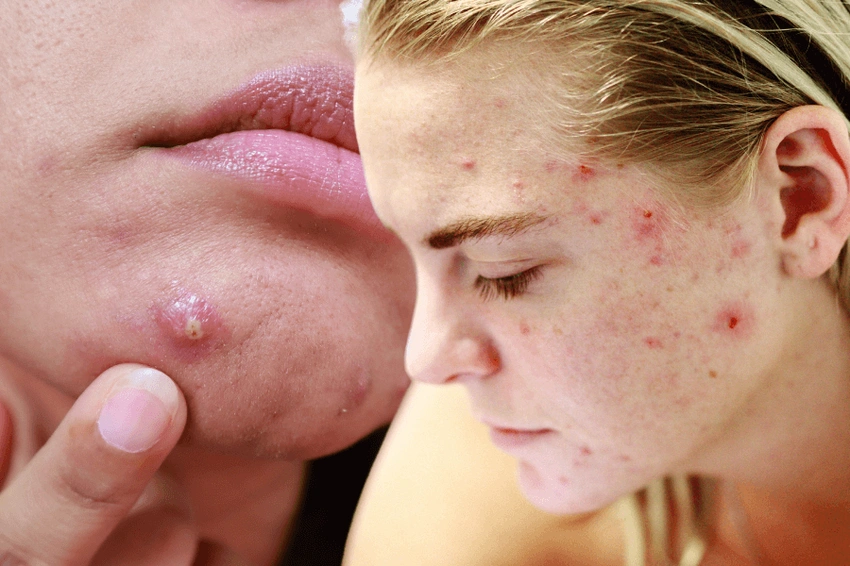
Why Gentle Skincare Supports Faster Healing
One of the most overlooked aspects of acne care is gentleness. Many people try to aggressively scrub or treat their skin when breakouts appear, thinking that stronger treatments will remove acne faster.
In reality, harsh routines can worsen inflammation and slow the healing process.
A balanced routine often includes:
• Mild cleansing that removes oil without stripping the skin
• Lightweight treatments that support skin renewal
• Hydrating moisturizers that protect the barrier
When the skin remains calm and balanced, it can repair itself more efficiently.
Protecting Breakouts While They Heal
Another important step in reducing acne marks is protecting the skin during the healing stage.
When a pimple is exposed to friction, bacteria, or constant touching, inflammation can worsen. This increases the chance that the skin will develop lingering discoloration.
Protective acne patches have become popular because they create a barrier between the pimple and external irritants.
These patches can help:
- Prevent picking or squeezing
- Absorb fluid from the blemish
- Protect the surrounding skin from bacteria
By minimizing irritation, the skin is better able to recover without leaving noticeable marks.
How Consistency Helps Prevent Future Acne Marks
Clearer skin often comes from consistency rather than quick fixes. Small daily habits can make a significant difference over time.
Some helpful habits include:
• Washing the face regularly to prevent pore buildup
• Using skincare products that support skin renewal
• Avoiding the temptation to pick or squeeze pimples
• Maintaining hydration to support the skin barrier
These steps help reduce inflammation and allow the skin to heal without creating long lasting reminders of past breakouts.
Conclusion
Acne does more than create temporary pimples. Each breakout triggers a complex repair process within the skin. Inflammation, pigment production, and collagen changes all contribute to the marks that sometimes remain after acne fades. Understanding this process helps explain why prevention and proper skincare routines are essential. Gentle cleansing, barrier repair, and consistent care allow the skin to recover more effectively and reduce the likelihood of lasting marks. Protective treatments such as patches can also support healing by shielding blemishes from irritation. Many people now incorporate solutions like 🔗pimple patches for face 🔗 to protect breakouts and support a smoother recovery process.
Call to Action
Learning how acne affects the skin can help you make better choices for long term skin health. If you want to explore more skincare insights and discover products designed to support clearer skin, visit World of California 🔗 to learn more about building a balanced skincare routine.
FAQs
1. Why do acne marks last longer than pimples?
Acne marks occur because the skin produces extra pigment or undergoes structural changes during the healing process. These changes take longer to fade than the pimple itself.
2. Can acne marks disappear naturally?
Yes. Many acne marks gradually fade as the skin renews itself. However, proper skincare can help speed up the process.
3. Does picking pimples cause acne scars?
Picking can increase inflammation and push bacteria deeper into the skin. This raises the risk of scars and dark spots.
4. How can I prevent acne marks?
Preventing severe inflammation, avoiding picking, and maintaining a balanced skincare routine can help reduce the risk of marks.
5. Are acne patches useful for healing pimples?
Yes. Acne patches protect the blemish, prevent touching, and support the natural healing process of the skin.

Login to comment.
No thots yet. Be the first to share your thoughts!