India waives customs duty on key petrochemicals amid West Asia crisis

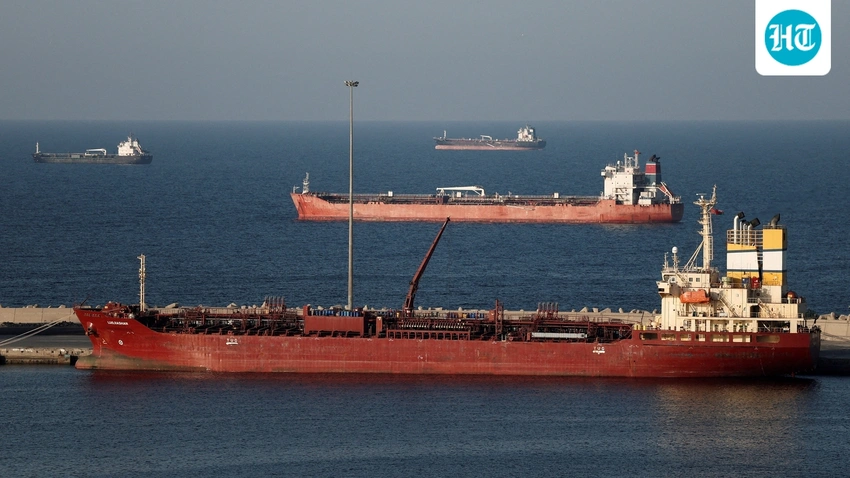
India waives customs duty on key petrochemicals amid West Asia crisis
The government extends full customs duty exemption on about 40 petrochemical items until June 30 to ease supply chain pressures and curb costs for plastics, textiles, pharmaceuticals, and more.
The government has announced a full customs duty exemption on about 40 petrochemical products until June 30 in response to the ongoing crisis in West Asia. This temporary, targeted relief is aimed at ensuring continued availability of critical petrochemical inputs for domestic industry, reducing cost pressures on downstream sectors, and safeguarding supply stability across manufacturing.
The items covered include polypropylene, polystyrene, polyols, polybutadiene, styrene-butadiene, and anhydrous ammonia, among others. By removing duty on these essential inputs, the measure seeks to keep production costs in check and prevent domestic shortages that could ripple through multiple sectors.
The exemption is expected to benefit a wide range of industries, including plastics, packaging, textiles, pharmaceuticals, chemicals, automotive components and other manufacturing segments that rely on petrochemical feedstock and intermediates. It provides a relief valve for downstream players facing global supply disruptions and rising input costs.
Industry observers note that upstream price pressures have been mounting due to the West Asia conflict. For instance, the melt—key raw materials for the synthetic textile sector—has jumped significantly in recent weeks, with prices rising from ₹83 per kg to ₹118 per kg in a month as supply routes were disrupted. Supplies are pegged to major sources from China and the U.S., while Saudi Arabia and Kuwait are prominent MEG suppliers. The exemption is expected to help mitigate such shocks and support continuity in production.
Overall, the move is framed as a pragmatic policy response to shield India’s manufacturing base from global supply chain turbulence, preserve jobs, and maintain competitive costs for essential goods during a period of heightened geopolitical risk.
