Smart Glasses: Is Your Next Accessory Watching You?

Smart Glasses: Is Your Next Accessory Watching You?
Big Tech wants smart glasses to be chic, but privacy concerns loom large. Are we ready for fashion that watches? Or is removing the camera the real key to acceptance?
Forget clunky headsets. The future of wearable tech, particularly smart glasses, is poised to be sleek, stylish, and deeply integrated into our daily lives. But here's the rub: for all the fashion-forward ambition, there's a lingering question that simply won't go away: are these sophisticated gadgets destined to be a fashion statement, or a looming privacy nightmare?
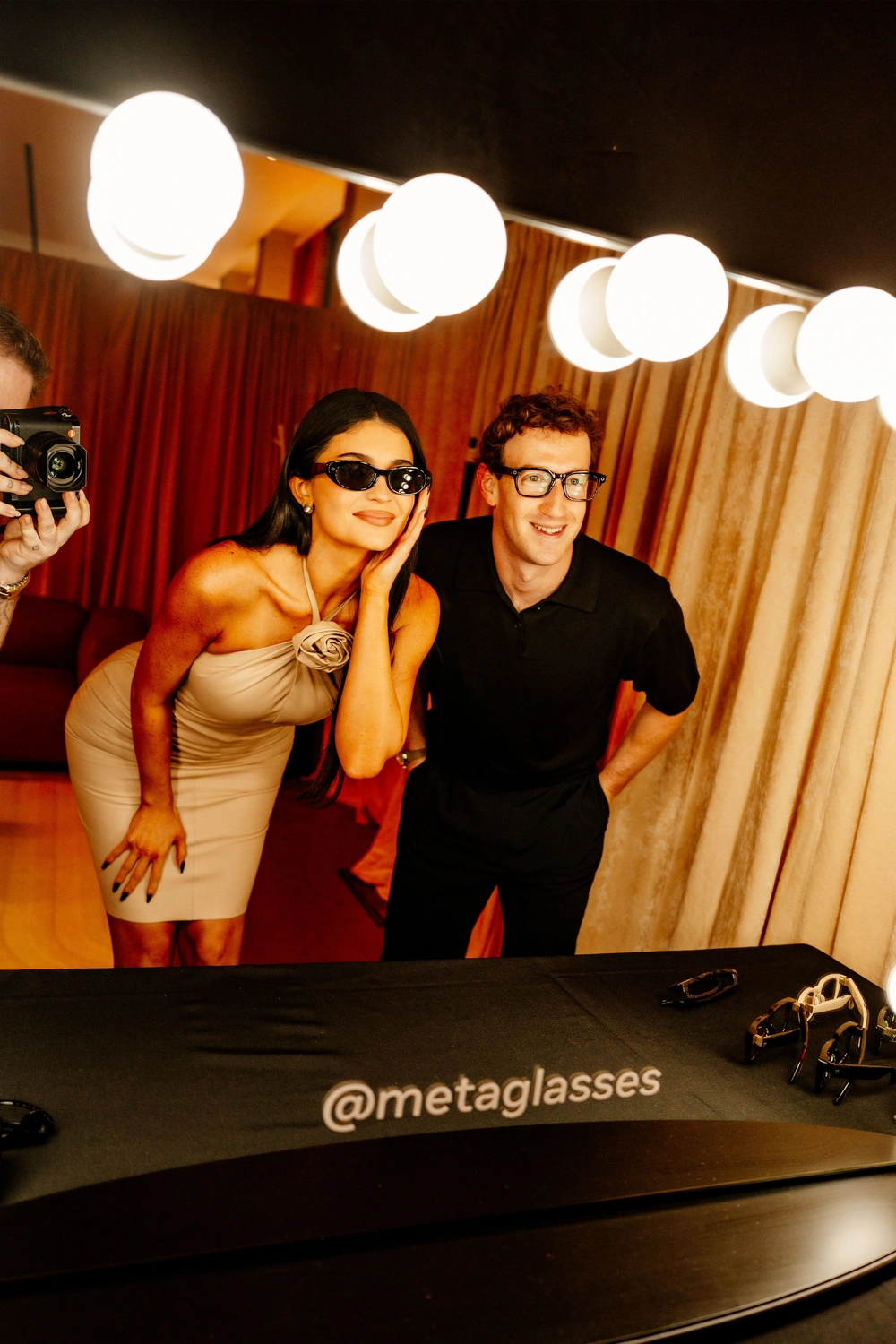
Right now, Big Tech is pouring resources into securing fashion's cultural legitimacy. The goal is clear: make AI smart glasses not just functional, but socially acceptable, even desirable. Imagine scrolling through the pages of 'Vogue US' on July 7, 2026, and seeing these devices gracing the faces of runway models and celebrities.
The vision is compelling; a true blending of high-tech and high-fashion.
However, the immediate hurdle is significant. Consumers, quite rightly, often view smart glasses as synonymous with surveillance.
That tiny, unobtrusive lens instantly raises red flags.
It conjures images of unconsented recording, data collection, and a constant, pervasive gaze. It's a profound psychological barrier. We're talking about trust, or the lack thereof.
So, what's the fix? The burning question being debated in development labs and marketing war rooms alike is simple: is removing the camera the key to adoption ? On one hand, a camera-less smart glass could indeed alleviate the immediate 'spy-tech' anxiety.
It could pivot the device purely to augmented reality, contextual information, and seamless interaction without the recording component. Think discreet notifications, real-time translations, or even subtle style recommendations projected directly onto your vision, all without the fear of being unknowingly filmed.
But here's the twist: sacrificing the camera means shedding a massive chunk of potential utility. The very features that often excite developers, instant photo capture, video calls, visual search, are camera-dependent.
Striking that balance between robust functionality and consumer comfort is the ultimate tightrope walk.
Does Big Tech truly believe a pared-down version can achieve mass market appeal, or is this a calculated step to gradually introduce more intrusive features once the initial resistance has softened?
The journey of smart glasses from a futuristic concept to a mainstream accessory is far from over. It's a fascinating intersection of innovation, ethics, and social acceptance. Whether they become the next must-have item or remain a niche curiosity will depend less on technological prowess and more on addressing the fundamental human need for privacy.
Until then, keep an eye out, you never know what's watching back.
