Forget the Filters: Why the Moon’s Far Side is Finally Making Space Real Again

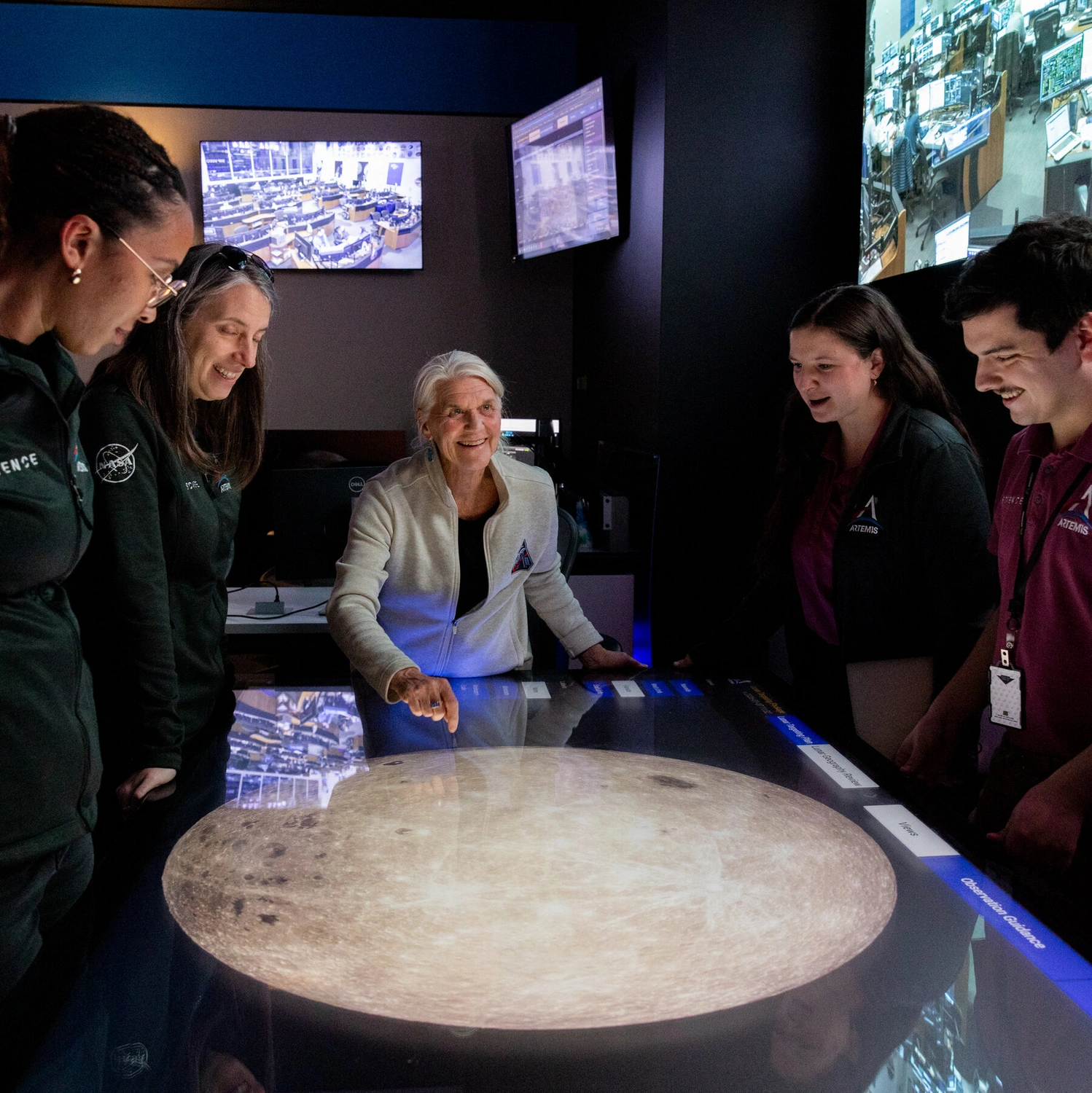
Forget the Filters: Why the Moon’s Far Side is Finally Making Space Real Again
After decades of CGI and rovers, Artemis II is putting human eyes on the moon's far side. Discover why this shift from digital to visceral is changing everything for a new generation.
The End of the CGI Era: Why Artemis II Makes Space Real Again
For most of us under the age of fifty, the moon has lived primarily in our imaginations or on our screens. We have seen high-resolution photos from rovers and stunning 4K renders in IMAX movies. But for the first time in over half a century, actual human eyes are about to witness the mysterious far side of the moon in person.
This feels different. It is not just another data point or a composite image stitched together by a satellite in Maryland. The Artemis II mission represents a shift from the digital to the visceral. We are moving past the era where space travel felt like a very expensive movie production and entering a time when it is a lived human experience again.
Why the Far Side Matters
The far side of the moon is often called the dark side, though it gets plenty of sunlight. It is rugged, cratered, and wildly different from the face we see from our backyards. To look at it through a window instead of a lens changes the narrative entirely.
- Human Connection: We can relate to an astronaut's awe in a way we cannot relate to a robot's sensors.
- Authenticity: In an age of deepfakes and AI-generated content, knowing a person is actually there provides a grounding sense of reality.
- Inspiration: Seeing a fellow human reflected in the spacecraft glass while the lunar landscape rolls by is the ultimate proof of progress.
A New Perspective for a New Generation
Many younger people have grown up skeptical of everything they see online. If it looks too perfect, we often assume it is CGI. If the frame is too stable, we suspect a green screen. By sending the Artemis II crew around the lunar far side, we are being given something that cannot be faked: the unpredictable, grainy, and breathtaking reality of deep space exploration.
We are finally moving away from watching space through a filter. As these astronauts peer into the craters of the far side, they are doing more than just conducting a mission. They are making the cosmos feel tangible for a generation that has been hungry for something real. Space is no longer just a setting for a sci-fi flick. It is once again a destination for the human spirit.
