Yorgos Lanthimos' Bugonia: A Howl From The Hive

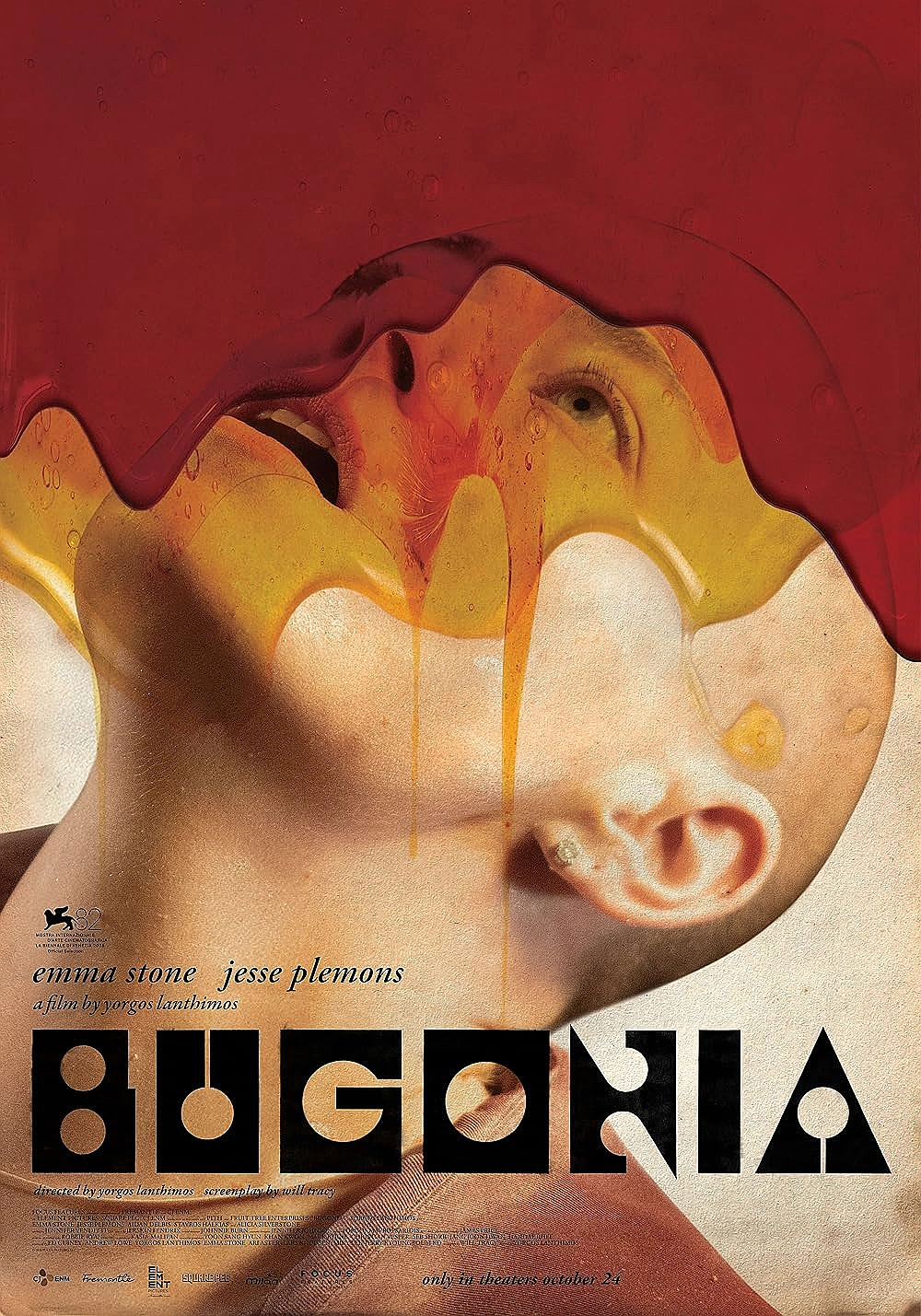
Yorgos Lanthimos' Bugonia: A Howl From The Hive
Yorgos Lanthimos' Bugonia: A Howl From The Hive
Yorgos Lanthimos's Bugonia reimagines Save the Green Planet! with a twin-voiced approach of absurdist comedy and feverish allegory about power, grief, and myth, bolstered by a bold soundtrack.
There’s a particular pleasure in encountering a film that feels written in two registers at once: one ear tuned to absurdist comedy and the other to fevered allegory. Bugonia, Yorgos Lanthimos’s 2025 reimagining of the cult Korean film Save the Green Planet!, sings in precisely that double voice: a dark, brittle aria about conspiracy, corporate power, and the ways we try to translate human grief into myth. It is a film that rewards both the pop-music fan’s attention to sonic detail and the literature student’s appetite for symbol, repetition, and intertext.

First impressions
Pop fans will notice straight away how Bugonia uses popular music and musical gestures as punctuation. The score leans into anthems and remixes, a jarring, almost incongruous pairing: Green Day’s punk snarl sits alongside a pop-remix moment, offering an aural shorthand for the film’s collision of vernacular rage and glossy corporate menace. These choices are not mere marketing, but rather ask us to listen for irony as much as narrative. The film’s score and musical moments punctuate rather than soften, aligning the viewer with a kind of jittery, modern unease.

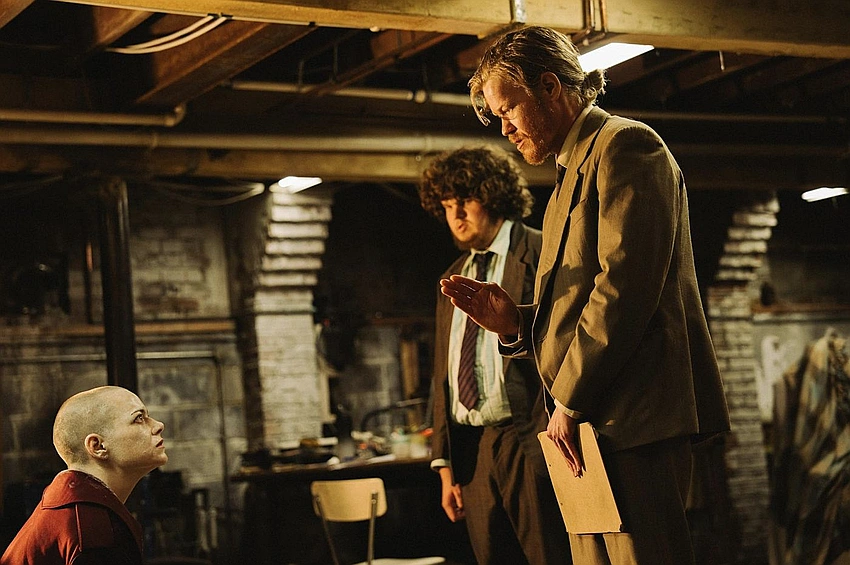
Emma Stone’s transformation of shaving her head for the role functions in the film much as a singer’s visible reinvention might: an embodied statement about identity, vulnerability and radical exposure. The act of shaving in Bugonia is dramaturgy; it foregrounds the body as site, instrument and spectacle. Reports on the production emphasise how deliberate and performative this choice was, which makes Stone’s Michelle feel both subjected and staged, a figure we watch as much as we interpret.
Plot as fable, violence as lyric
At its core, Bugonia is the old fable refracted through conspiracy: two men kidnap a pharmaceutical CEO, convinced she is an alien responsible for human decline. Lanthimos keeps the plot’s schematic brutality with the interrogation of motives, the slow escalation from delusion to torture, but he flips sensibilities so that the film becomes less a parable of clear moral lines and more a meditation on how narratives are constructed out of pain. The kidnappers, like unreliable narrators in a modernist text, tell stories to one another and to themselves; their explanations become mythic in the telling.
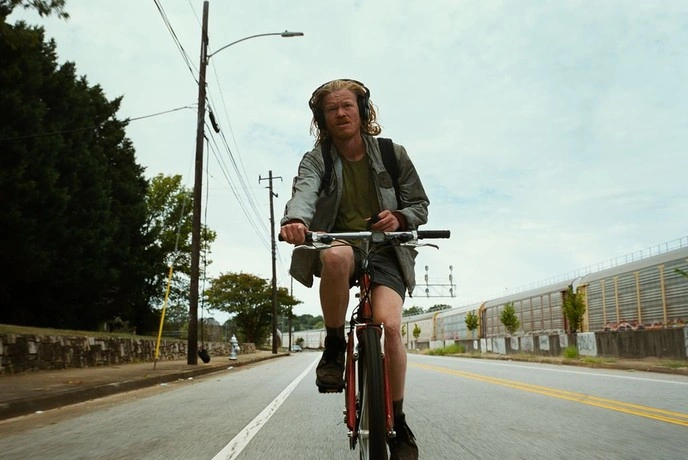
This is Lanthimos at his flinty best: clinical, yet oddly sentimental underneath the laconic punchlines. Where the original Korean film was a fever dream of survival and revenge, Bugonia feels more like a satirical cantata of bitter, precise and sometimes heartbreakingly human. One of the clearer critical readings suggests that the film, despite its alien metaphors, is chiefly concerned with human selfishness and institutional rot. That’s a reading I found persuasive: the film’s grotesqueries point back to us.
Language, tone and the politics of comedy
As a literature student, I’m interested in tone as a technique. Lanthimos’s humour is dry, clipped, as if speech were an instrument that needed retuning before it could mean anything. The screenplay keeps conversations at a slant: banalities sit beside confessions, which makes the dialogue feel like modern verse, which is spare, repeatable, capable of carrying doubled meanings. The film’s satirical bite is political without being didactic; it prefers implication to sermonizing. This allows the audience to inhabit the ambiguity: who exactly are we meant to pity, and who to revile? The answer is never tidy.
For music lovers, Bugonia is a reminder that soundtrack choices can be argument-making, not merely mood-setting. The way the film juxtaposes punk cadences and pop remixes is akin to a DJ’s set that insists on discomfort. The goal is to provoke re-listening. For readers and students of literature, the film behaves like a short, aching modernist text: tight, allegorical and obsessed with narrative formation. It invites annotations, repeated viewings, and uncomfortable comparisons to real-world harms framed as myth.
Bugonia insists we sit with the sting before seeking the honey. It’s not an easy film, and it’s not sentimental; it is, however, generous with its provocations. Watch it for the performances, listen to how music and silence argue with one another, and read it like you would a short, troubling poem: line by line, and then again.
#Bugonia #Lanthimos #SaveTheGreenPlanet, #FilmReview #Cinephile #MovieReview #EmmaStone
