Brain Implants for Cancer: Sci-Fi Hope or Ethical Minefield?

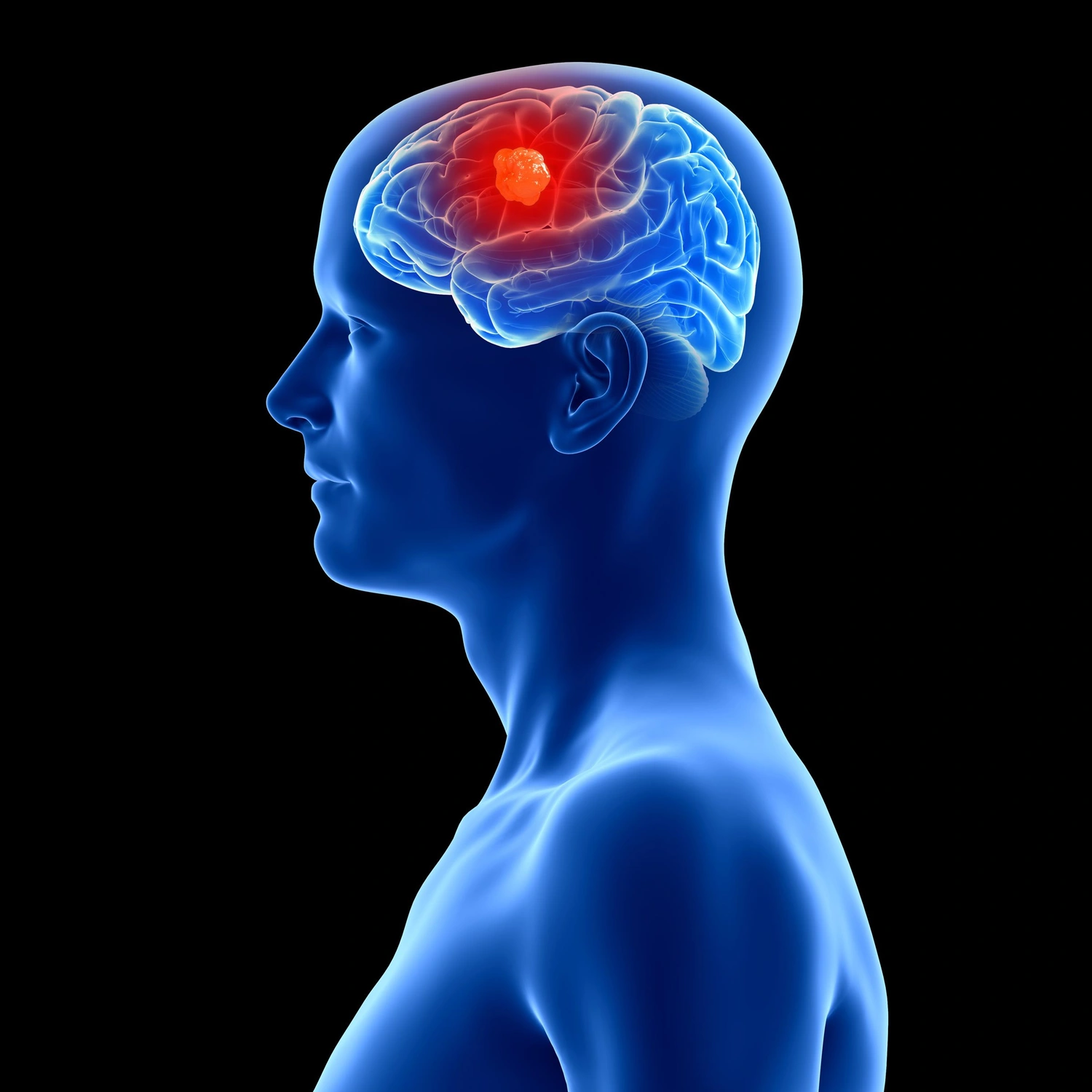
Brain Implants for Cancer: Sci-Fi Hope or Ethical Minefield?
Imagine a tiny brain implant detecting cancer before it even forms! Is this medical marvel the future of healthcare, or does it cross an ethical line? Let's dive into the fascinating, yet complex, world of brain-computer
The future of medicine often sounds like something straight out of a science fiction novel, and the latest advancements in brain-computer interfaces are no exception. The idea of an implant nestled within our brains, diligently monitoring for the earliest signs of disease and even actively working to prevent it, is both breathtakingly innovative and undeniably unsettling.
On one hand, this technology represents a monumental leap forward in our fight against devastating illnesses like cancer. Imagine a world where a proactive implant could detect the most minute cellular changes indicative of a tumor, long before symptoms appear or traditional scans could catch it. Furthermore, the concept of using electrical stimulation to actively prevent these cancerous cells from multiplying or forming tumors is nothing short of revolutionary. This isn't just early detection; it's prevention at its most intimate and precise. It promises a future where a cancer diagnosis might become a thing of the past for many, offering a lifeline to countless individuals and transforming how we approach disease management.
However, before we celebrate this as a universal medical marvel, we absolutely must pause and consider the profound ethical implications. Implanting technology directly into the brain isn't like wearing a smartwatch; it's a permanent, invasive alteration to the very seat of our consciousness and identity. What are the long-term health risks? Are we truly ready for the potential for data harvesting from our most private organ? Who controls the information gathered by these implants? The notion of a device actively influencing brain activity, even with the best intentions, raises questions about personal autonomy and potential unintended consequences on mood, memory, or personality.
Beyond the immediate medical benefits, we need to grapple with the societal impact. Will such life-saving technology be accessible to everyone, or will it exacerbate existing health disparities, creating a new class of medically enhanced individuals? What happens if this technology, designed for health, is ever repurposed or hacked? The line between therapy and enhancement could become blurred, opening a Pandora's Box of philosophical and ethical dilemmas.
This isn't about shying away from progress. It's about approaching it with open eyes and a commitment to human well-being above all else. The promise of brain implants for early cancer detection and prevention is immense, offering hope for a healthier future. But as we venture into this brave new world, we must establish robust ethical frameworks, prioritize transparency, and foster widespread public discourse. Only then can we ensure that these incredible technological advancements serve humanity truly, rather than leading us down a path we might come to regret. The conversation starts now: medical marvel or a step too far? What do you think?
