From ‘Good Genes’ to Coded Supremacy: How Fashion and Ads Flirt with Eugenics

From ‘Good Genes’ to Coded Supremacy: How Fashion and Ads Flirt with Eugenics
From ‘Good Genes’ to Coded Supremacy: How Fashion and Ads Flirt with Eugenics
Two recent summer ads from American Eagle and Dunkin' have ignited a culture war. Join the conversation about beauty standards and societal values reflected in advertising.
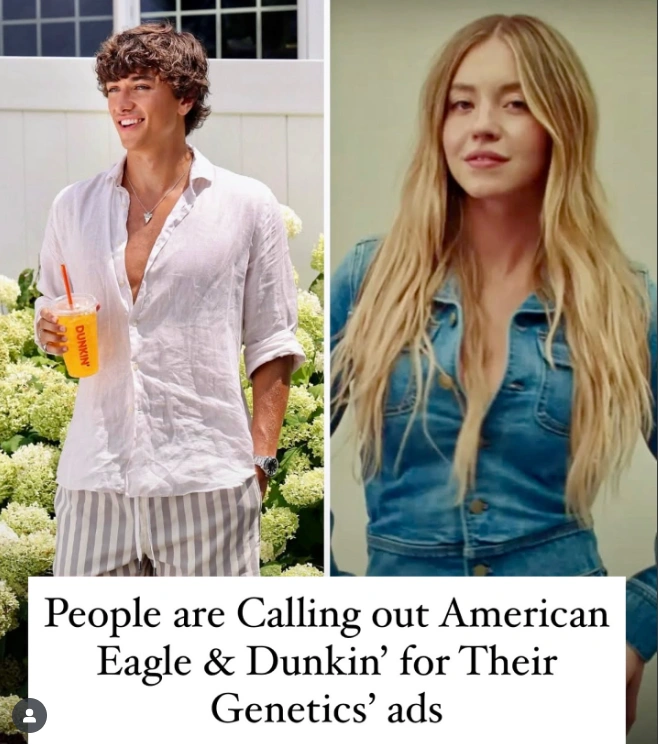
When two summer ads, one from American Eagle starring Sydney Sweeney and another from Dunkin’ starring Gavin Casalegno, explode into culture-war flame wars in the span of a few weeks, it’s worth asking why. I’m writing this less as a media moraliser and more as a literature student trying to read what these small, glossy moments reveal about the stories we’re being asked to inhabit: about beauty, heredity, and a resurgent conservatism that increasingly borrows the language of biology. The question isn’t only whether advertising has gone off the rails; it’s whether a particular aesthetic and rhetorical turn is closing in on a dangerous idea that some bodies, some features, and some “genes” are somehow more desirable, more natural, and more authoritative than others.

The ads and the immediate terrain
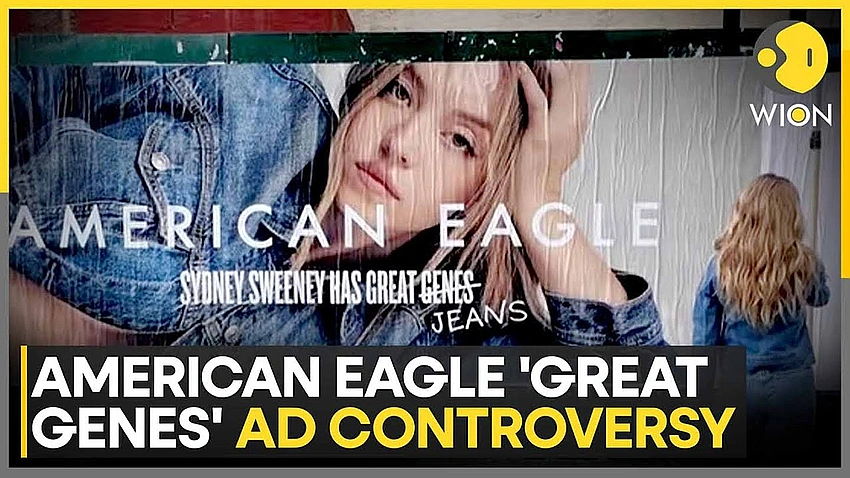
Both ads are short, shiny, and easy to summarise. The Sweeney spot, built around a pun on “jeans” and “genes”, was framed by critics as leaning into praise of a narrowly white, conventionally attractive ideal; the language of “good genes” felt to many like a flirtation with a long-buried, ugly vocabulary. Meanwhile, Gavin Casalegno’s Dunkin’ clip, in which he jokes that his summer tan is “genetics”, was read by some viewers as part of the same thread: playful marketing that nonetheless normalises a boast about inherited advantage. These aren’t mere gusts of bad taste; they’ve provoked broad online debate and mainstream coverage.

It’s important to be precise: the companies defend these spots as harmless flirtations with wordplay and aspiration, and the performers themselves have not always leaned into political readings. However, that defensive posture, “it’s just about jeans” or “it’s just a summer ad,” does not dissolve the meanings audiences are already making. Meaning in mass culture is co-produced: what an ad intends and what an ad does are often different things.
Why “genes” matter more than you think
The turn from celebrating lifestyle to celebrating heredity is notable. Advertising has long sold us clothes, drinks, and identities; now it sometimes sells the idea that identity is inscribed in the body in ways that are fixed, legible, and inheritable. “Genes” as a marketing device feels contemporary because it borrows the prestige of science and a gloss of objectivity, while also doing the opposite: it naturalises preference. Call it aesthetic naturalism: a taste becomes not merely a cultural preference but a form of destiny.
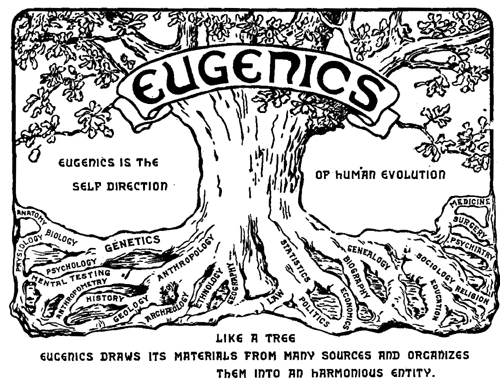
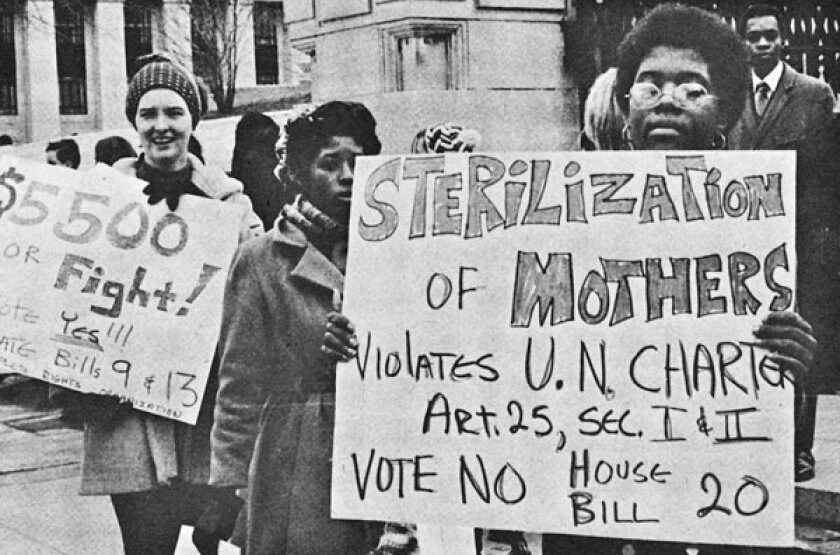
That rhetorical slip is what makes critics uneasy. When cultural capital migrates from craft, personality, or labour to lineage or “good genes,” it creates a template where social inequalities look like biological facts. Historically, this is not an unfamiliar move. The language of heredity has been used to justify hierarchy before by eugenicists in the early twentieth century and by more modern political movements that wrap social claims in biological metaphors. To recognise the resonance is not to accuse an ad of explicit racism, but to name the symbolic gravity of the terms being deployed.
Politics, markets, and authenticity
There’s a second dynamic at play: partisan theatre. When celebrity endorsements or ad campaigns get pulled into political conversation, they become signifiers beyond their product. Some conservative commentators have hailed the Sweeney ad as evidence of a “post-woke” moment, turning a marketing campaign into culture-war victory laps; others have read the same moment as proof that brands are pandering to reactionary audiences. The result is a circular economy where politics feeds branding and branding feeds politics, and the language of genes becomes a new battleground.
Market forces also push in the same direction. Brands know that provocation drives attention, and attention is convertible to profit. But the aesthetic provocation that courts virality can also normalise certain codes: a blond ideal, a certain sun-kissed whiteness, and the casual boasting of "natural advantage". Once those codes stabilise in popular imagery, they circulate beyond the original commercial and inflect broader social talk.
Reading the longer arc of aesthetics and ethics
As a literature student, I want to slow down the gaze. Ads operate like parables: compressed narratives that tell us who deserves attention, who is the protagonist, and who is peripheral. When the protagonist is always a particular body type or phenotype, the narrative becomes repetitive and exclusionary. We should ask what kinds of stories are amplified by these new “genes” framings and what kinds are being erased.
Refusal is a literary tactic as much as a political one. To refuse the ad’s logic is not merely to complain but to imagine alternative imaginations: campaigns that tie value to skill, curiosity, communal life, or the craft of clothing rather than lineage. It is to insist that beauty is historically made and culturally mutable, not a marker stamped by DNA.
Is this a march to “white genes” supremacy conservatism?
“March” might feel too strong a verb for two ads, yet the trajectory they point to is hard to ignore. These commercial moments are not blueprints for a coordinated political project, but they are part of a broader aesthetic drift: a return to the language of heredity, often wrapped in irony or casual humour, that nonetheless carries the residue of older, exclusionary ideas.
A line like “my tan is genetics” might seem harmless, but it still draws from the same semantic well that once fed eugenic rhetoric: the insinuation that desirable traits are “naturally” embedded, immutable, and tied to lineage. That logic, left unchallenged, makes it easier to smuggle back hierarchies under the guise of biology, reframing beauty and worth as inherited birthrights rather than cultural constructions.
This is why vigilance matters. The job of the critic, academic, blogger, or citizen is to trace these associations, name their historical echoes, and refuse to let glib wordplay normalise old violences. If we care about equality, we must resist the slide from a playful comment on “genes” to the quiet endorsement of inherited superiority. Language is never just language in culture; the slope from slogan to ideology is short, and our attention is the guardrail.
#CultureWar #SummerAds #BeautyStandards #AdvertisingEthics #SocialIssues #Eugenics #Dunkin #AmericanEagle #SydneySweeney #GavinCasalegno
