Why Horror Is Becoming the Dominant Pop Genre

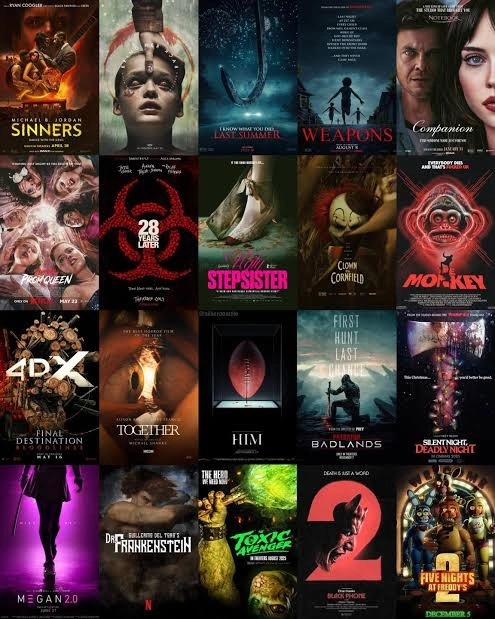
Why Horror Is Becoming the Dominant Pop Genre
Why Horror Is Becoming the Dominant Pop Genre
From midnight screenings to streaming binges, horror now shapes culture, politics, and the bottom line. This analysis explains why fear has become a bankable engine in a crowded media landscape, driven by audience demand
There is something quietly radical about horror’s present moment: a genre that was long consigned to midnight matinees and bargain-bin VHS tapes has become central to how culture narrates fear, politics and identity. Horror is no longer an outlier; it is a reliable engine for audiences, platforms and critics alike. The shift is not accidental. It is the product of converging social anxieties, commercial logic, and a creative restlessness that has allowed horror to mutate and to matter, in ways other mainstream forms have not.
Market forces: cheap, global, and bankable
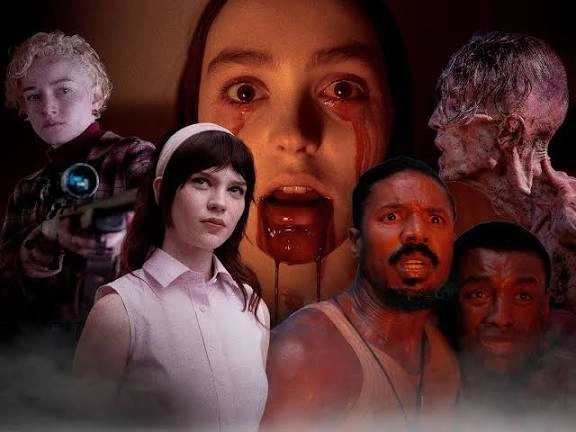
Studios and streamers have noticed a simple truth: horror is comparatively inexpensive to produce and can yield outsized returns. That economic reality makes it attractive in a precarious post-pandemic market where tentpole risk is less palatable. Streaming services, too, have swelled their catalogues with hundreds of hours of horror, because the genre reliably drives engagement among younger viewers and travels well across borders. In short, horror is both a low-risk investment and a global product — a perfect commodity for the subscription era.
Cultural catharsis: making sense of anxious times
Artistic trends rarely rise in a vacuum. Horror’s resurgence maps onto the layers of contemporary unease such as pandemic aftershocks, climate collapse, geopolitical turbulence, and the accelerating uncanny of everyday technology. Horror translates such large, systemic terrors into intimate experiences: it externalises fear so we can look at it, laugh at it and, crucially, survive it. Critics and readers have noticed a parallel surge in appetite for horror fiction and socially conscious horror films; the genre’s renewed sales and critical prestige suggest that people are using fiction to process real-world dread.
Platform mechanics and the new fandoms
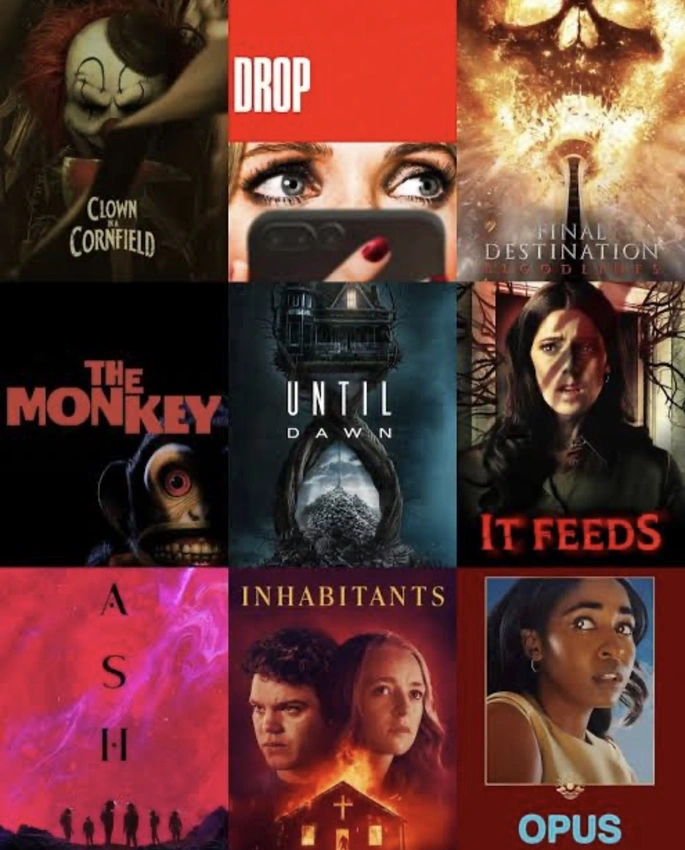
The social media ecosystem has also remade how horror spreads. Short clips, reaction videos and whispered recommendations on platforms like TikTok and Instagram create a kind of viral intimacy ideally suited to jump scares and unsettling moods. Online communities trade theories, recommend hidden gems, and celebrate auteurial risks; what was once niche now becomes discoverable overnight. This horizontal circulation amplifies low-budget films and grassroots writers in ways that traditional gatekeepers cannot easily replicate.
Aesthetic evolution: from jump scares to social allegory
Contemporary horror has broadened its formal palette. The successful titles that demand attention are often not merely exercises in gore or shock; they are vehicles for social allegory and formal experiment. Filmmakers are blending arthouse minimalism, folklore and psychological realism to ask questions about the body, power, race and gender. As the genre’s vocabulary expands from body horror to folk horror, from social thrillers to intimate psychological studies, so does its claim to cultural seriousness.
Identity and voice: who gets to be scared?
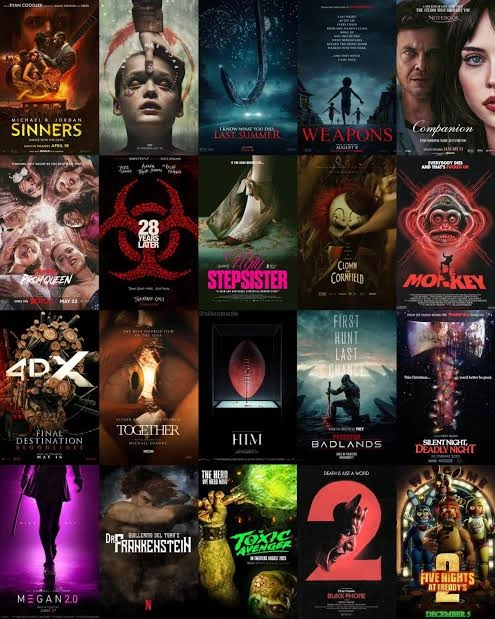
Another crucial development is the diversification of voices within horror. Newer work foregrounds perspectives previously marginalised by mainstream culture: racialised experiences, queer anxieties, feminist resentments. When a genre becomes a forum for under-told fears, it acquires the double advantage of fresh storytelling and political resonance. The result is horror that feels urgently contemporary because it speaks directly to lived anxieties rather than recycled tropes.
Why this matters beyond box office
It is tempting to reduce the horror boom to industry arithmetic. But its cultural significance runs deeper. Horror’s ascendancy signals a shift in how popular culture does meaning-making: rather than offering uncomplicated consolation, the most compelling works now confront the traumatic and ambiguous. They ask us to sit with discomfort rather than evade it. This is a distinct mode of engagement; one that prizes catharsis and provocation over bland reassurance, and it happens to be well suited to an age in which certainty is scarce.
If we read cultural history as a ledger of anxieties, horror’s present moment is coherent rather than anomalous. Its commercial viability, formal inventiveness and capacity to hold complex social fears have nudged it from the margins to the mainstream. That shift matters: a genre that can hold terror in its hands and turn it into narrative meaning becomes, suddenly, indispensable to the way we tell the story of our times. For now, horror is not merely what we watch to be frightened; it is how we think about fear itself.
#HorrorRevival #StreamingWars #FearInCulture'#EntertainmentEconomy #MediaTrends
