Honduras Ex-President Freed in US Prison After Trump Pardon

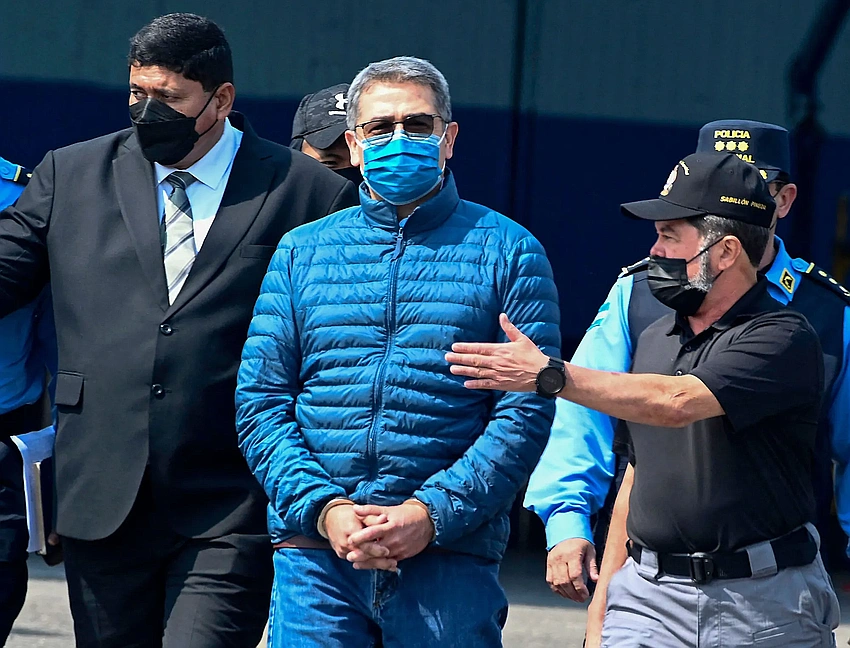
Honduras Ex-President Freed in US Prison After Trump Pardon
Juan Orlando Hernández, Honduras’ former leader, was released from USP Hazelton in West Virginia following a presidential pardon from Donald Trump, stirring debate over anti-drug policy.
Juan Orlando Hernández, the former president of Honduras, has been released from a US prison after receiving a presidential pardon from Donald Trump. Federal inmate records show Hernández left USP Hazelton in West Virginia on Monday, marking a striking turn after he was found guilty in March 2024 of conspiring to import cocaine into the United States and for possessing machine guns. He was sentenced to 45 years behind bars, a sentence now effectively overturned by the pardon. The White House announced the move with a social media post noting that Hernández had been treated very harshly and unfairly in what was described as a difficult period for the former leader.
The pardon has ignited a broader debate about the United States’ counter-narcotics strategy and how political considerations intersect with criminal sentencing. Critics across international circles have questioned the decision, pointing to Hernández’s high-profile role in Honduran politics during a time of intense drug trafficking activity in the region. Some observers argue that the pardon could appear at odds with hard-line rhetoric on drug trafficking and might invite criticism of double standards in anti-narcotics enforcement. A separate wave of commentary from major outlets underscored the controversy, highlighting tensions between punitive justice and political diplomacy in Central America.
Hernández’s release from a high-security facility in West Virginia comes amid ongoing scrutiny of regional efforts to combat narcotics trafficking. While supporters argue that the pardon could pave the way for reconciliation and stability within Honduras, opponents warn that it may undermine trust in both Honduran institutions and US-led anti-drug initiatives. Authorities emphasized that the records reflect a completed legal process, though the implications for victims, regional justice, and US-Honduras relations remain a topic of heated discussion.
As the dust settles, analysts suggest the development could influence upcoming political dialogues in Honduras and affect how future prosecutions tied to drug trafficking are perceived on the international stage. The episode underscores how powerful political decisions can intertwine with criminal cases, shaping public perception of justice, accountability, and diplomacy in the years ahead.
