Indonesia's Finance Shake-Up: New Minister Faces Fiscal Credibility Test 🇮🇩
Indonesia's Finance Shake-Up: New Minister Faces Fiscal Credibility Test 🇮🇩
Indonesia's finance minister has been replaced, sparking debate over central bank autonomy and fiscal policy under President Prabowo. What does this mean for the nation's economy?
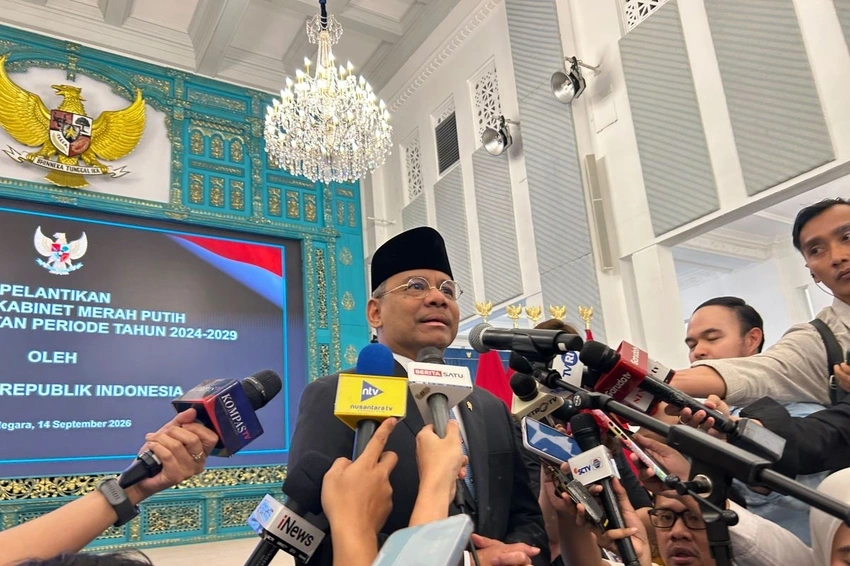
Indonesia is abuzz with political and economic shifts following the recent sacking of Finance Minister Purbaya Yudhi Sadewa and the immediate appointment of his successor, Nazara. This significant cabinet reshuffle has ignited widespread discussion and concern regarding the nation's fiscal credibility and the independence of its central bank under President Prabowo.
Nazara, who was sworn in just hours after Sadewa's dismissal, brings a wealth of experience to the role, having served seven years as deputy finance minister and leading the ministry's fiscal policy agency from 2015 to 2019. His appointment comes amidst a series of moves that some analysts believe might signal a gradual departure from the "more populist and interventionist policymaking" that has marked President Prabowo's tenure so far.
However, not all observers view this appointment as entirely reassuring. Concerns are mounting over the potential erosion of the central bank's autonomy. These worries intensified with the appointment of President Prabowo's nephew, Thomas Djiwandono, as a deputy governor in February, just months before the resignation of former central bank governor Warjiyo in July.
Further adding to the discourse, parliament selected senior deputy governor Destry Damayanti as Bank Indonesia's first woman governor on September 1.
Joshua Kurlantzick, a senior fellow at the Council on Foreign Relations, described Nazara's elevation as
a further, and worrisome, sign of the consolidation of economic power in the hands of Prabowo,
directly highlighting his concerns over the independence of Bank Indonesia. This sentiment underscores the delicate balance between government policy and the central bank's role in maintaining economic stability.
The upcoming 2027 budget is expected to provide the first clear indications of whether Nazara can indeed bring about a meaningful shift in policymaking. According to EIU's Tay, attention will be on Nazara's decisions concerning fiscal spending, revenue assumptions, and the deficit.
On the monetary front, a crucial signal would be a clearer separation between fiscal policy and the central bank, especially if the government ceases to lean on Bank Indonesia for growth support or to absorb more of the financing burden.
The ultimate test for Nazara, Tay suggests, will be his willingness and ability to trim or delay programs that have, thus far, failed to deliver quick economic velocity relative to their cost.
If he does that while protecting fiscal credibility, that would point to a genuine shift,
Tay noted.
"But if spending ambitions remain unchanged and the adjustment is mostly rhetorical, it would look more like business as usual." The coming months will be critical in determining Indonesia's economic trajectory and the future of its institutional independence.
#IndonesiaPolitics #FiscalPolicy #CentralBank #PrabowoCabinet

Login to comment.
No thots yet. Be the first to share your thoughts!