US weighs Venezuela intervention, eyes Panama-era playbook

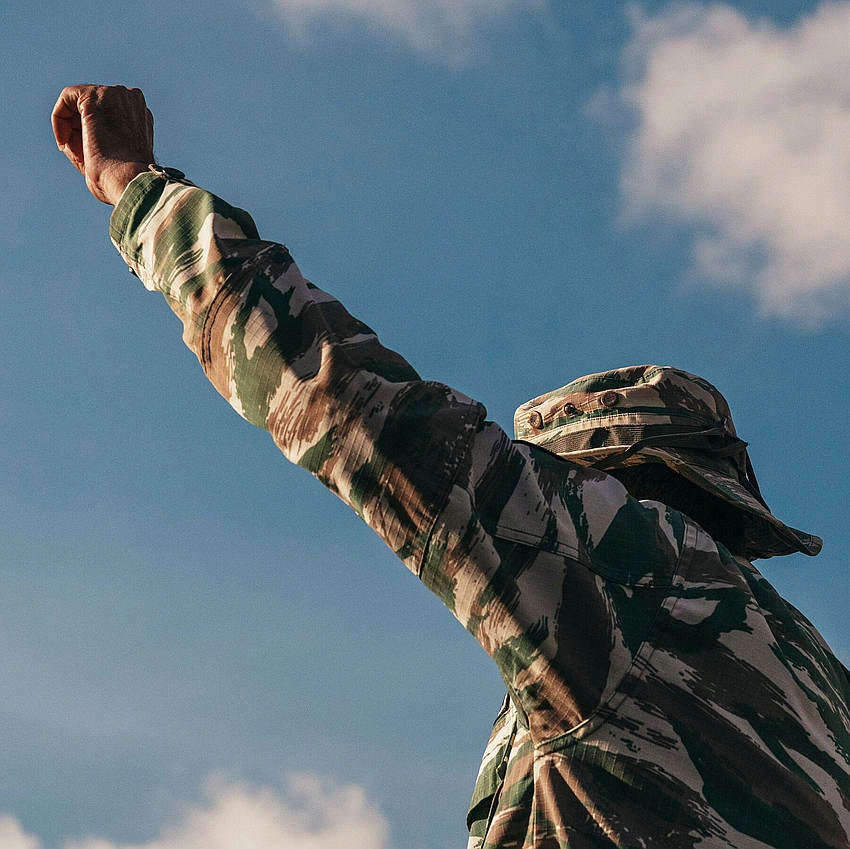
US weighs Venezuela intervention, eyes Panama-era playbook
As debates over a potential U.S. move in Venezuela unfold, analysts reference Panama-era tactics while critics warn against war rhetoric.
A strong chorus of voices is weighing a possible U.S. military turn in Venezuela, but the precise path remains murky. In the current moment, many observers point to the Panama invasion of 1989—that campaign under George H. W. Bush—as a reference point for how Washington might frame a limited intervention. The idea isn’t to repeat history slavishly, but to understand how a tense mix of political pressure, regional partnerships, and a narrative about restoring democracy can be deployed without triggering a broad, costly conflict. Analysts caution that any operation would face significant logistical hurdles, from the rugged terrain and dispersed opposition to the risk of civilian harm and regional instability. The memory of that era still surfaces in discussions about timing, authorization, and how the United States would justify action to allies and to the American public.
On the domestic front, voices close to the administration have floated an argument about Maduro's legitimacy, with some hints that, if elections were perceived as illegitimate by international observers, a forceful response could be sold as a restoration of democratic norms. Critics argue that rhetoric can become a pretext, and that the same playbook can entangle the region in another costly error. The complexity of Venezuela’s crisis, including humanitarian needs, mass displacement, and a fractured opposition, makes any simple solution unlikely. The region would watch closely, with neighbors weighing political and economic consequences, such as migration flows and sanctions regimes that ripple across borders.
Meanwhile, opponents of intervention warn that the risks extend far beyond the battlefield. The possibility of miscalculation could escalate quickly, pulling in regional powers and creating a humanitarian emergency at a scale that current sanctions and diplomatic pressure have failed to avert. Advocates for diplomacy argue for renewed negotiations, stepped-up humanitarian aid, and a unified regional approach that preserves sovereignty while discouraging human rights abuses. In this view, military action would be a last resort, not a first step, and would require clear legal authorization, robust international support, and a concrete post-intervention plan to stabilize political institutions.
As Washington weighs options, the debate also touches on the long shadow of regime-change rhetoric in U.S. policy. The Panama comparison is not a guarantee of success; it is a cautionary tale about the limits of external power and the high price of misjudging a complex society at a moment of deep national strain. The important question, for many observers, is whether there can be a credible path that minimizes civilian suffering, preserves regional balance, and leads to a durable political transition that can be monitored and supported without open-ended engagement.
For now, the loudest takeaway is that any move into Venezuela would require careful alignment with international law, regional partners, and a clear strategy for the aftermath. The conversation will continue to be shaped by military assessments, political optics, and the undeniable urgency of alleviating humanitarian needs while avoiding a broader disaster.
Cover image source: The Incomprehensible March Toward Regime Change in Venezuela 🔗
