US House Passes Bill: India Could Face 100% Tariffs on Russian Oil!

US House Passes Bill: India Could Face 100% Tariffs on Russian Oil!
A controversial US House bill targeting Russian energy could impose massive tariffs on countries like India. What does this mean for global trade and India's economy?
The U.S. House of Representatives recently passed a significant piece of legislation aimed at Russia's energy sector. This bill, which cleared the House with a 262-159 vote, empowers the U.S.
President to impose tariffs of up to 100% on countries, including India, that continue to purchase oil and gas from Russia. This move comes as relations between New Delhi and Washington navigate complex trade negotiations, and India's imports of Russian oil have seen a notable increase.
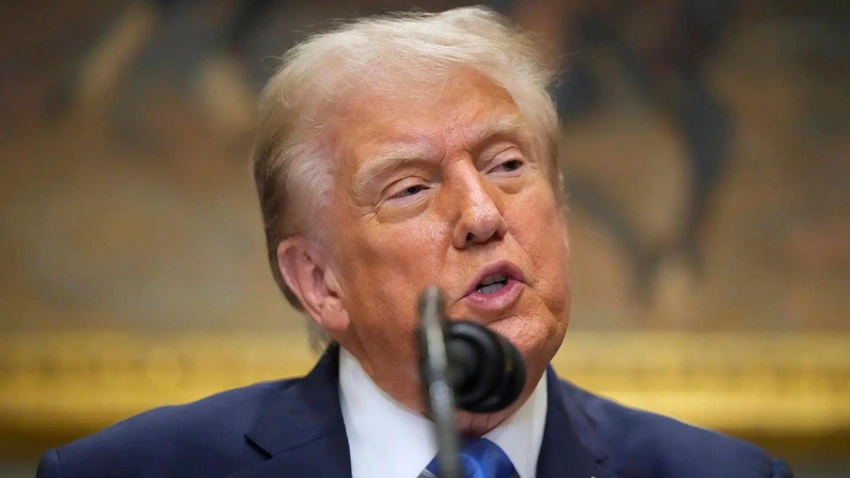
The bill now heads to President Donald Trump's desk for his signature.
If enacted, it could lead to substantial U.S. tariffs on Indian goods, sparking concerns among policymakers and economists. The legislation specifically targets the top five “largest importers” of Russian-origin crude oil or natural gas, or those facilitating Russian oil sanctions evasion, in the 12 months preceding its enactment.
Countries that have taken significant steps to reduce their Russian natural gas imports or whose gas import was less than 15% of Russia’s total gas export would be exempt. Interestingly, an earlier amendment proposing to name the top 10 importers, which included China, India, and Turkiye, did not make it into the final version of the bill.
India’s import of Russian oil had surged to an 11-month high in April this year, partly influenced by global events such as the U.S. and Israel’s conflict with Iran. This contrasts with a previous period in December 2025 when India had cut back, hitting a 38-month low in Russian oil purchases.
The bill, an amendment to the “Lindsey O.
Graham Sanctioning Russia and Iran Act of 2026,” has not been without its critics.
Concerns have been raised about the sweeping powers it would grant the President and the potential economic burden it could place on American families.
Representative Gregory Meeks, a ranking member of the House Foreign Affairs Committee, voiced strong opposition, stating, “We cannot grant the President more tariff power that, we know, he will abuse.” He estimated that such tariffs could cost American families at least $3,000, assuming they are restricted to the top five importers of Russian oil.
The potential tariffs arrive at a sensitive time for global energy markets and international diplomacy, adding another layer of complexity to trade relations between the U.S. and key economic partners like India.
