Rahul Gandhi Blocked as unpublished Naravane Memoir Sparks Parliament Chaos

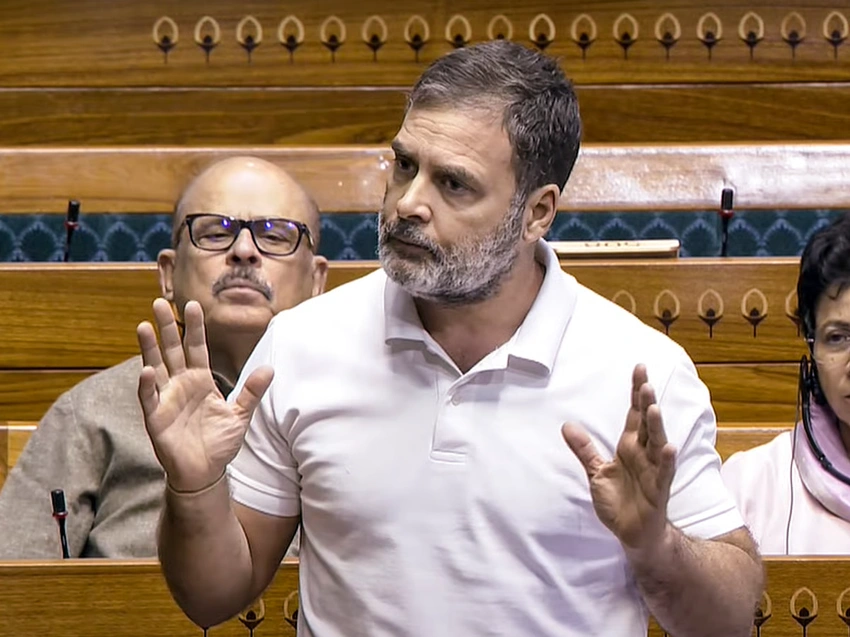
Rahul Gandhi Blocked as unpublished Naravane Memoir Sparks Parliament Chaos
Rahul Gandhi Blocked as unpublished Naravane Memoir Sparks Parliament Chaos
Rahul Gandhi’s reference to General Naravane’s unpublished memoir triggered uproar in Parliament raising questions about national security and censorship.
Former Army Chief General Manoj Mukund Naravane’s memoir Four Stars of Destiny has become the center of a fierce controversy. The book, still under Ministry of Defence review, contains candid reflections on India’s military challenges including the Doklam standoff in 2017 and the Galwan clash in 2020.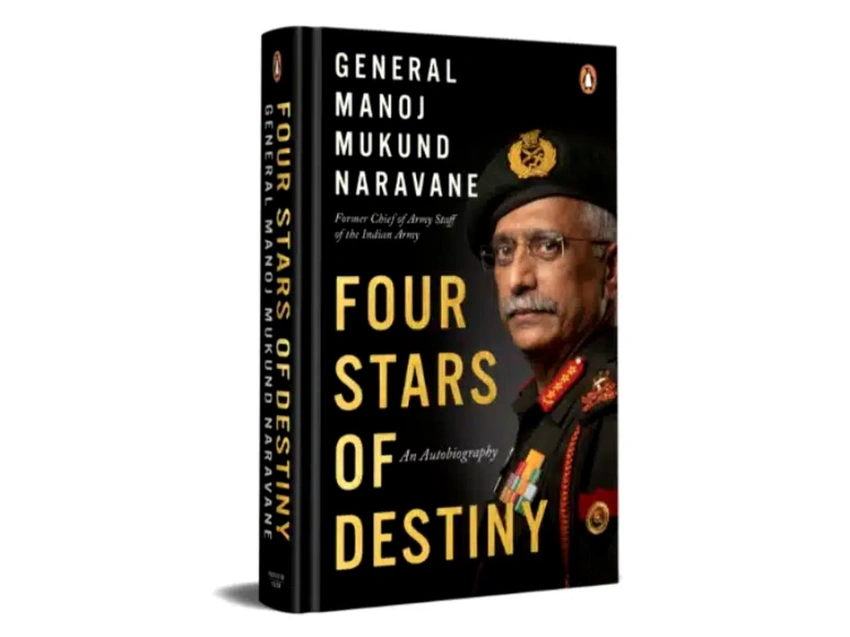
Rahul Gandhi attempted to cite excerpts from the memoir during a heated Lok Sabha session. His effort was blocked by senior ministers including Amit Shah and Rajnath Singh. The Speaker reminded members that unpublished material cannot be quoted in Parliament. The session quickly descended into chaos and was adjourned.
Key Quotes from Naravane’s Book
- Naravane describes the Doklam standoff as a tense moment requiring calm leadership. He notes that restraint prevented escalation.
- On the Galwan Valley clash, he reflects on the bravery of Indian soldiers and the lessons learned about preparedness and communication.
- He emphasizes that the Army must remain apolitical and professional, warning against politicization of defense matters.
- Naravane calls his memoir “maturing like aged wine,” suggesting that time has given him perspective on events that shaped his tenure.
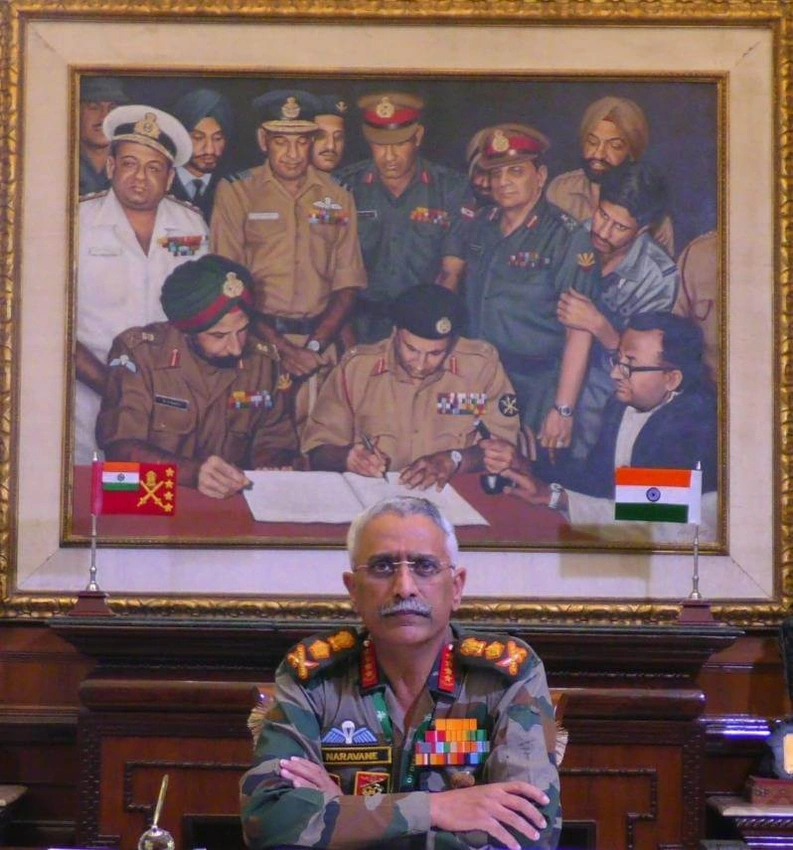
The uproar stems from three issues about the unpublished status. The book is still under review by the Ministry of Defence. Quoting it in Parliament was ruled out of order.
It's sensitive content that references to border clashes with China are seen as delicate matters of national security. The government accused Gandhi of attempting to politicize defense issues. The opposition countered that transparency is essential.
The incident highlights the tension between free speech and national security. It raises questions about whether military memoirs should be censored and whether Parliament should allow references to unpublished works.
Naravane’s memoir is not yet public, but the controversy has already ensured it will be closely scrutinized when released. For now, it remains a symbol of the larger battle between government control and opposition demands for openness.
