Climate Change Blamed for Deadly Nepal-Tibet Floods, Nepal Seeks UN Aid

Climate Change Blamed for Deadly Nepal-Tibet Floods, Nepal Seeks UN Aid
New study confirms human-caused climate change significantly contributed to the devastating Nepal-Tibet floods, which killed over 1,400. Nepal seeks UN funds for rebuilding. #ClimateCrisis
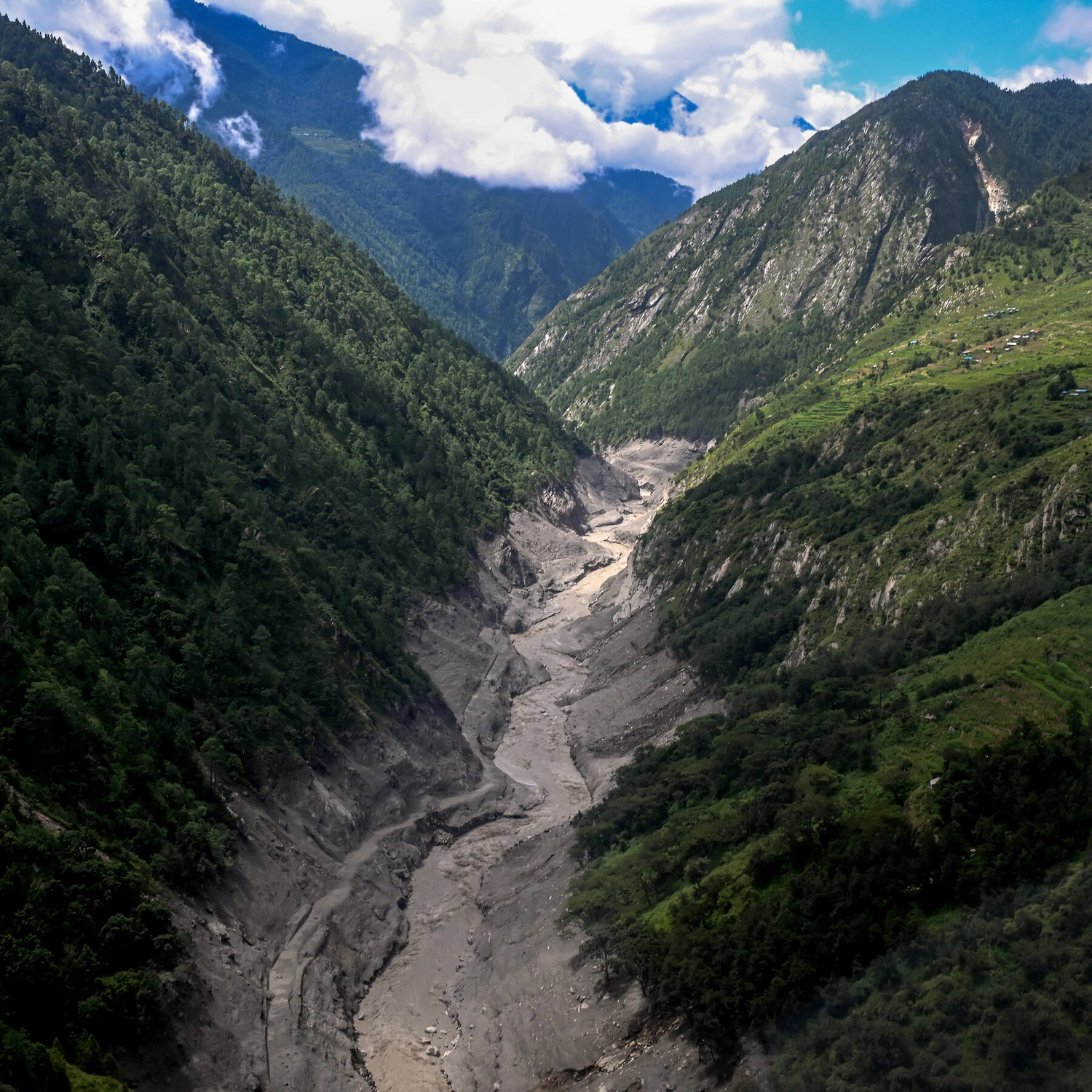
A new study has delivered stark findings: human-induced climate change played a significant role in the devastating floods and landslides that tore through the Nepal-Tibet border last month, claiming over 1,400 lives and leaving thousands missing. This disaster, which struck on August 26, saw an avalanche of rock and ice unleash catastrophic destruction across towns and villages.
The research, conducted by the World Weather Attribution group and published on Thursday, provides critical evidence that Nepal plans to use in its request for financial aid from the United Nations. Nepal hopes to secure approximately $20 million from the UN Fund for Responding to Loss and Damage, a fund designed to assist countries grappling with the impacts of climate change.
Officials indicate that rebuilding efforts will require a much larger sum, estimated at $5 billion.
According to Dr. Friederike Otto, a co-author of the study and climatologist from Imperial College London, there is
absolutely no doubt that human-induced climate change played a role here in the preconditioning of the disaster.
The study highlights a "compound event" where rising temperatures, thinning glaciers, thawing permafrost, and existing geological vulnerabilities converged to create the catastrophe.
Temperatures in the affected area during July and August were roughly 1.5 degrees Celsius warmer due to human influence on the climate. Furthermore, glaciers in the region have been thinning by about half a meter annually, exacerbating instability. Heavy snowfall last October and November also contributed to a significant meltwater volume earlier this year.
Maheshwar Dhakal, spokesperson for Nepal's Ministry of Agriculture, Forest and Environment, stated that the World Weather Attribution report "will be the main basis of our claim" as it meticulously details climate's contribution to the disaster.
This report strengthens Nepal's case to the UN fund, which requires concrete evidence linking losses to climate change.
Nepali authorities have consistently emphasized that their country, despite being one of the lowest contributors to global greenhouse gas emissions, remains acutely vulnerable to the effects of global warming. Prime Minister Balendra Shah is set to address the United Nations General Assembly in New York next week, where he will discuss the recent floods and advocate for climate justice.
Experts like Danya Liu from BloombergNEF note that Nepal's use of the term "compensation" underscores a "polluter-pays model," suggesting that nations responsible for significant emissions should bear the cost of climate-induced damages in vulnerable countries.
This tragic event serves as a stark reminder of the urgent need for global efforts to tackle climate change and support nations on the frontlines of its devastating impacts.
#ClimateChange #NepalFloods #GlobalWarming #NepalTibetDisaster
