Europe Sizzles: Heatwave Buckles German Highways, Threatens Wildlife! 🔥

Europe Sizzles: Heatwave Buckles German Highways, Threatens Wildlife! 🔥
Extreme heat is gripping Europe, impacting everything from German highways to precious wildlife. Learn how to stay safe and protect animals during this scorching crisis.
Europe is currently in the grip of an intense heatwave, with soaring temperatures impacting not just people, but also infrastructure and wildlife across the continent. From Germany's buckling highways to the struggles of animals facing unprecedented heat, the severity of the situation is undeniable.
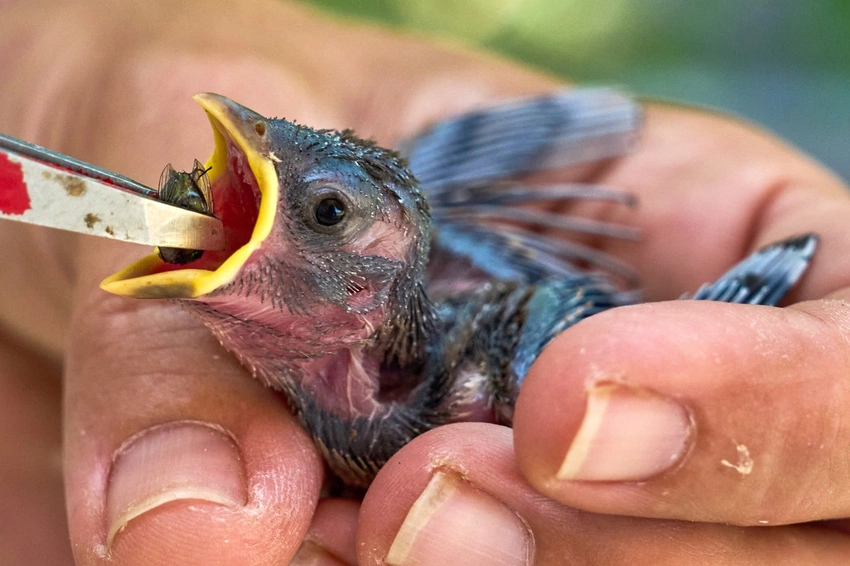
The extreme heat has become a grave concern, especially for wildlife. As temperatures climb, many species are finding it increasingly difficult to cope, leading to dehydration, heatstroke, and even death. It's crucial for the public to know what to do if they encounter an animal distressed by the heat, as timely intervention can make a significant difference.
Infrastructure is also feeling the strain. In Germany, reports indicate that highways are literally buckling under the scorching sun, a stark illustration of the physical impact of such extreme weather events. This not only poses a risk to motorists but also highlights the need for infrastructure built to withstand changing climate conditions.
This isn't the first time Europe has faced such challenges. The summer of 2003 saw similar extreme heat, which prompted initial efforts to address the issue. However, despite decades of climate warnings, there's a growing question about why the continent still seems unprepared for these increasingly frequent and devastating heatwaves. The human cost and the wider environmental and economic impacts continue to be immense.
As this heatwave continues to bake central and eastern parts of Europe, awareness and proactive measures are more vital than ever. Protecting vulnerable populations, supporting distressed wildlife, and adapting infrastructure are key challenges facing the region amidst this "sad inevitability" of rising temperatures.
