The Meme-ification of Activism

The Meme-ification of Activism
The Meme-ification of Activism
From a black square to pastel slogans, memes turn outrage into shareable rituals. This piece shows how memes compress politics, shape a collective voice, and blur lines between dissent and monetization.
There is a peculiar intimacy to outrage when it arrives wrapped in a handily shareable image. A black square, a pastel-filtered slogan, a cheeky GIF, these are the new rituals through which many of us now recognise, perform and distribute concern. What used to be a pamphlet or a march placard is increasingly a meme. This is not merely a change of medium but a shift in how political feeling is produced, circulated and validated: from collective labour to aesthetic performance. Recent scholarship shows that memes function as knowledge practices and movement-building tools, but they also remake dissent into something that can be liked, remixed and monetised.
The grammar of memetic protest
Memes are shorthand: juxtaposed images, ironic captions, repeated templates. Their power lies in compression and the ability to index a complex position through a recognisable form. Scholars of online movements have shown how memetic forms help construct a movement’s “collective self,” offering rapid ways to communicate identity, grievance and humour across distributed networks. At their best, memes function as tactical bricolage: cheap, fast, and adaptable rhetorical acts that can puncture power or bind dispersed publics together.
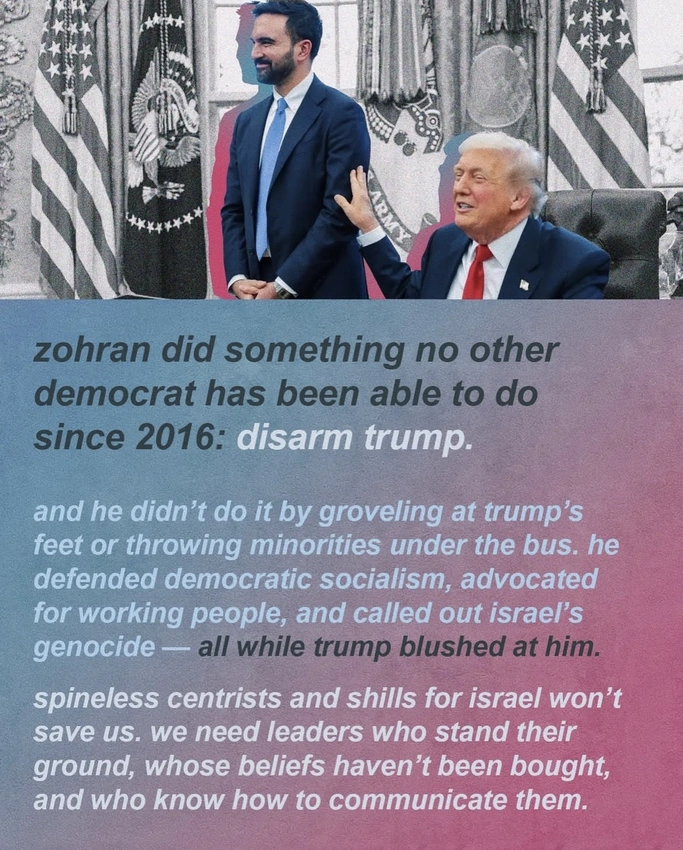
Yet there is a flipside. Compression favours affect over argument; virality rewards clarity over nuance. Aesthetics start to do the political work that strategy once did. When outrage is curated to a consistent visual identity, it becomes legible to algorithms and appetising to feeds. This aestheticisation is not neutral: it shapes which grievances are visible, which stories can be told in a single scroll and which demands are reduced to a caption. Recent work on political aesthetics signals this double edge: beauty and play can amplify politics, but they also risk domesticating anger into consumable content.
From protest to performance
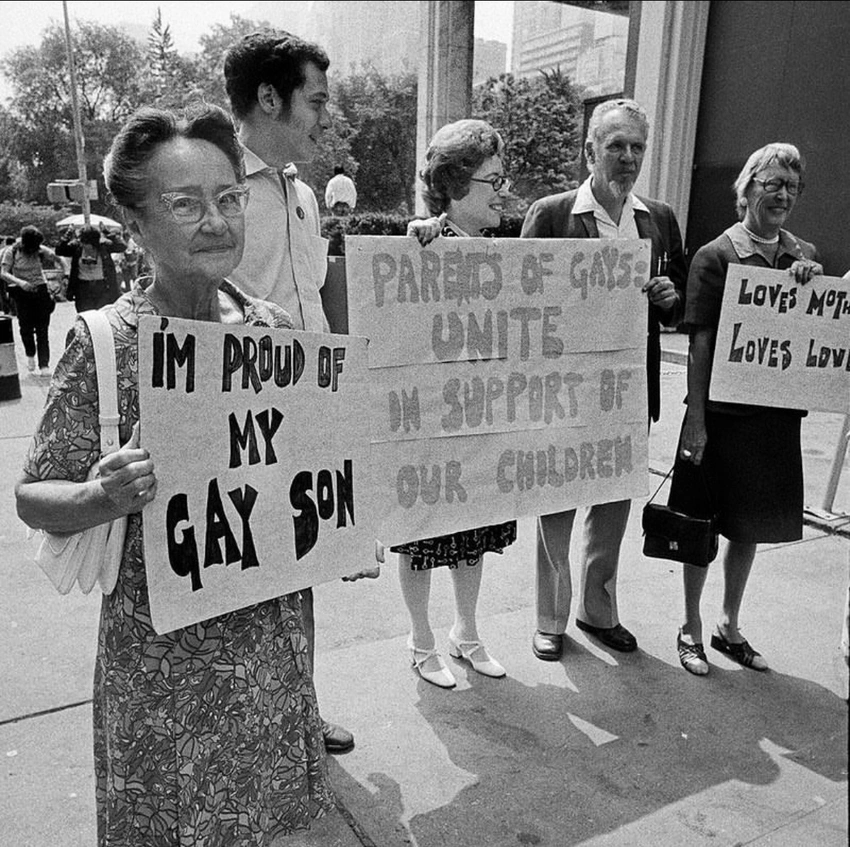
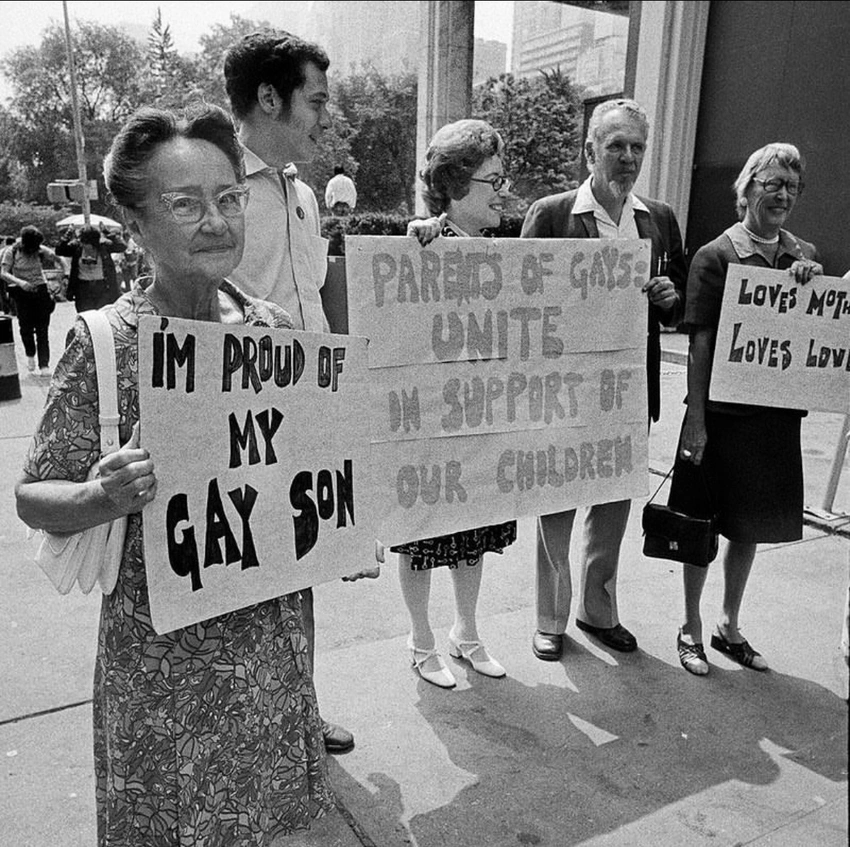
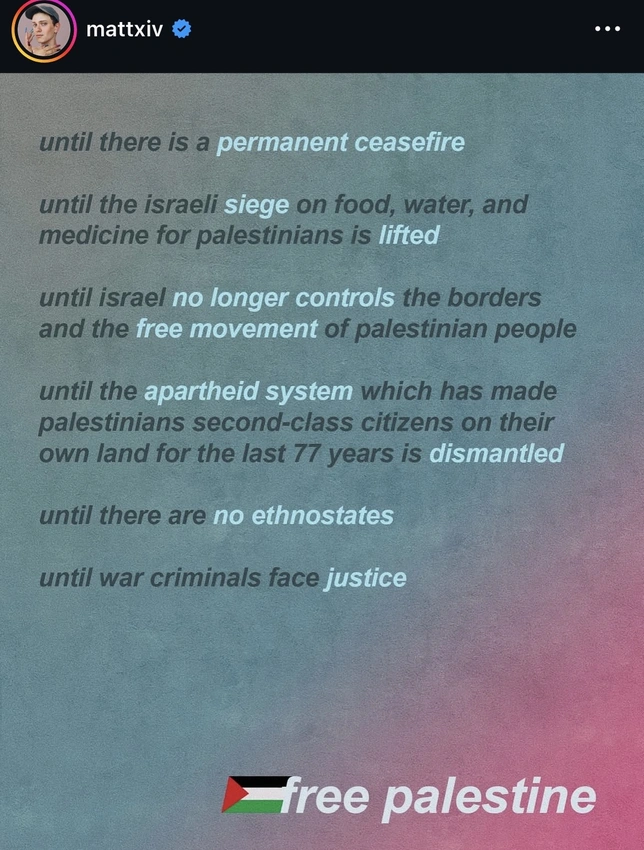
The transformation is social as well as visual. In older models of protest, visibility was earned through presence, risk and embodied solidarity standing in the street, singing, blocking a road. Digital protest often rewards different kinds of labour: timing, curation and the ability to generate a shareable artifact. Changing one’s profile picture, retweeting a branded poster, or contributing to a meme-template can be sincere acts of solidarity; they can also operate as credentials of belonging, signalling that one is “woke” without changing institutional relations. This shift produces what critics call “aestheticised outrage” ; anger shaped to look good on camera, to fit a grid of likes and to be archived as an identity marker rather than a step in organising.
When memetic tactics help and doesn’t
It would be wrong to dismiss memes as uniformly hollow. Memetic campaigns have precipitated awareness, organised rapid responses and even sustained international attention for under-reported crises. Playful activism in highly constrained contexts, for example, has allowed users to circumvent censorship and cultivate solidarity through coded humour. But the boundary between tactical play and depoliticised spectacle is porous. Memes can flatten complexity, amplify misinformation, and substitute performative acts for demands that require sustained, sometimes tedious, institutional pressure.
Towards a responsible memetic practice
If we accept that aesthetics are now a central medium of political life, the question becomes ethical and strategic. How might activists use memetic forms without allowing aesthetics to eclipse organisation? A few modest principles help: (1) treat memes as entry points, not end points — use them to direct people toward material actions; (2) design with clarity rather than catchiness — ensure that visuals carry accurate, verifiable claims; (3) cultivate participatory templates that invite collective authorship instead of fashioning ephemeral influencers; and (4) keep an eye on audiences and platforms — what catches on with an algorithm is not always what will sustain a campaign. Scholarship on artistic activism and memetic knowledge-practices suggests that care in form and intention can convert the aesthetics of outrage into durable political energy rather than mere spectacle.
The task, for anyone who wants protest to be more than a trending topic, is to learn the grammar of the meme without being made fluent in its most convenient illusions and to make images that nudge people from the scroll to the street, and from spectacle to stubborn, collective work.
#MemePolitics, #DigitalDissent, #MemeCulture, #OnlineActivism, #PoliticalMemes
