Bangladesh 2026 Election Under Yunus: India Watches a Post-Hasina Era

Bangladesh 2026 Election Under Yunus: India Watches a Post-Hasina Era
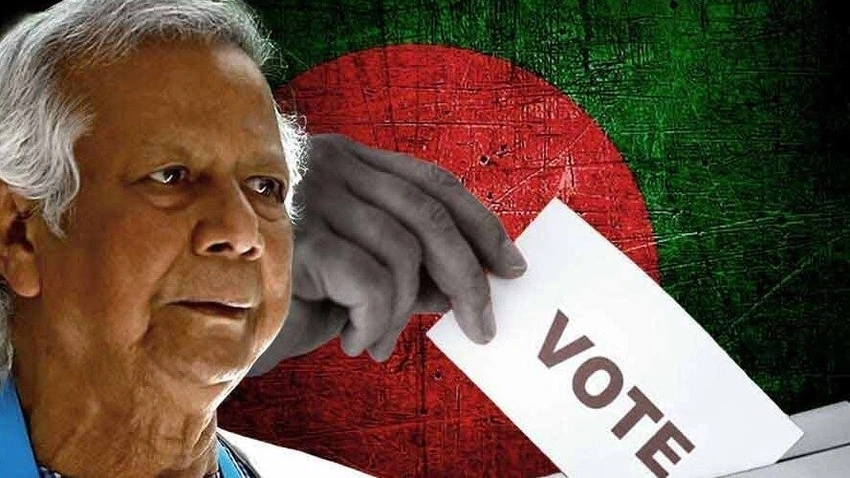
Bangladesh's 2026 polls unfold under interim chief Yunus, the first since Hasina's ouster and Zia's death. India watches closely as power shifts reshape regional ties.
Bangladesh’s national assembly election in 2026 is taking place under an interim administration led by Nobel laureate Muhammad Yunus, marking a notable shift from the era dominated by Hasina and Khaleda Zia. Hasina was ousted in 2024, and Khaleda Zia died in December 2025, leaving Tarique Rahman to lead the Bangladesh Nationalist Party (BNP). This is the first election in more than 30 years without either leader in the fray, a development that has many regional observers recalibrating expectations for party dynamics and governance after a long period of entrenched political duopoly.
New Delhi is watching the polls closely because five northeastern states, including poll-bound Assam, share borders with Bangladesh. The evolution of ties with Dhaka has historically mattered for regional security and trade, and the 2015 Land Boundary Agreement — which transferred enclaves between India and Bangladesh — remains a touchstone for how the two countries manage cross-border cooperation. During the 2001-06 BNP rule, relations with India had cooled, while Hasina’s 2009-24 tenure saw closer cooperation and a crackdown on anti-India elements, reinforcing the broader security architecture in the region.
The interim government led by Yunus has also pursued a broader foreign policy stance, including outreach to China and Pakistan. Beijing was Yunus’s first port of call in 2025, where he referenced India’s strategic northeast as “landlocked” and urged China to expand its influence in the region. The remarks reportedly irked New Delhi and underscored how Bangladesh’s leadership is navigating a multipolar neighborhood with competing geopolitical interests. China’s involvement in major Bangladeshi projects has become a defining element of this landscape, while Delhi remains wary of any moves that might tilt the balance away from traditional regional alignments.
Within Bangladesh, scrutiny remains high over how the BNP, Jamaat-e-Islami associations, and other actors will shape the electoral contest in a post-Hasina era. The sheer absence of both historic rivals adds a layer of uncertainty about voter turnout, party consolidation, and policy directions on issues such as security, economy, and regional connectivity. As campaigns unfold, regional observers will be watching whether the polls deliver a stable transition or a fractious transition that tests Bangladesh’s institutions and its relationships with neighbors.
