The Booker Prize Has Decided That Men Are Going Through It

The Booker Prize Has Decided That Men Are Going Through It
The Booker Prize Has Decided That Men Are Going Through It
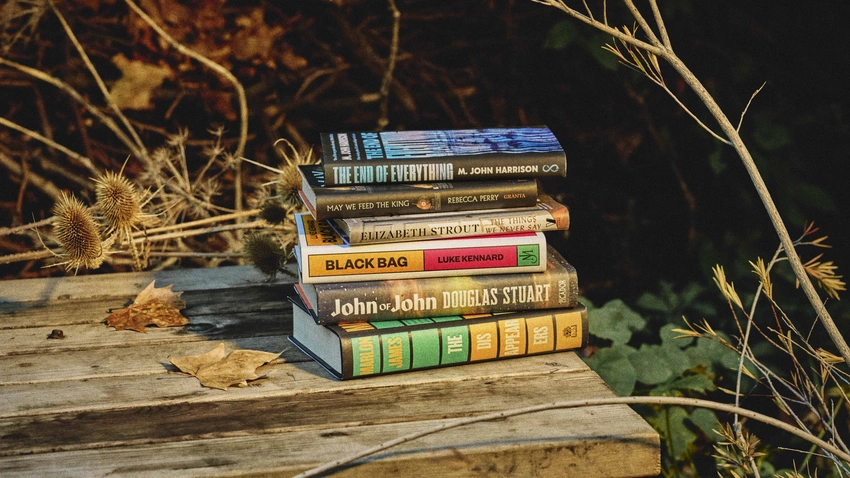
The 2026 Booker shortlist is finally out, where a male-heavy field of novels turns isolation, masculinity and existential crisis into literature’s latest cultural obsession.
Six books made the cut to the shortlist for the coveted Booker Prize this year, and four of them are by men. Then you look at what those books are actually interested in and realise that, apparently, the great male literary condition of 2026 is being absolutely miserable. The shortlist includes former winners Marlon James and Douglas Stuart, alongside M. John Harrison and Luke Kennard. Rebecca Perry and Elizabeth Strout make up the two women on the list. The Times has identified isolation as the overriding theme running through the shortlisted books, which makes the whole thing feel like literature's most prestigious group therapy session.
Men Have Entered Their Interior Era
What interests me is how differently this year's male writers seem to be approaching the idea of the man in trouble. There is no single version of masculinity here, which makes the pattern more revealing. These men are estranged from families, societies or even their own sense of themselves. The heroic male figure has been replaced by someone trying to work out what happened to him.
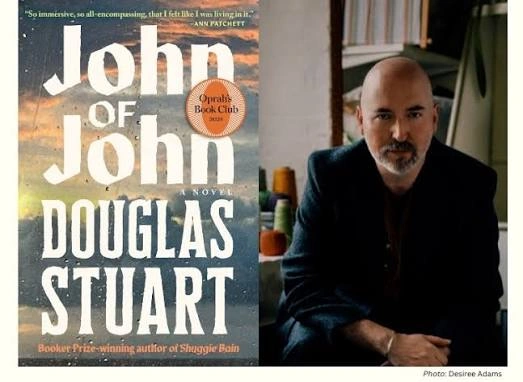
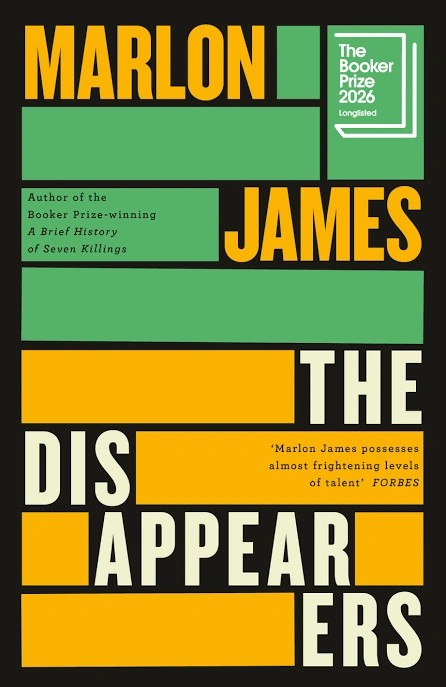
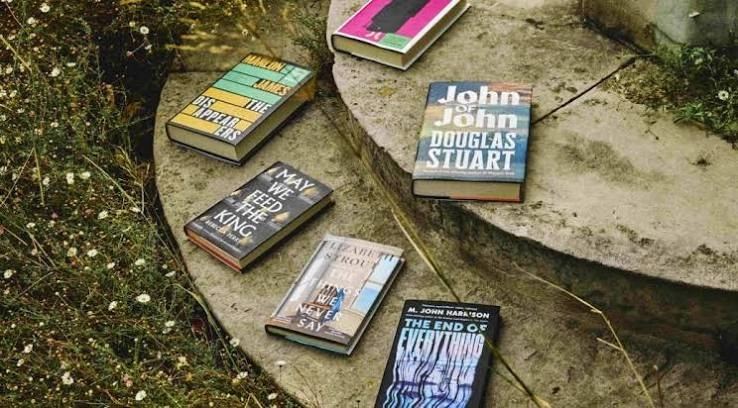
Douglas Stuart's John of John follows a son returning home to his father in a Calvinist island community in the Outer Hebrides. Stuart already won the Booker for Shuggie Bain, and his return to the prize therefore carries its own history of troubled masculinity. Marlon James's The Disappearers, meanwhile, follows a survivor of a murderous homophobic attack in 1980s Kingston who is consumed by the possibility of revenge.
Then there is Luke Kennard's Black Bag, which might be the most immediately ridiculous premise on the list. An out-of-work actor is paid to attend university psychology lectures while zipped inside a black leather bag as part of an experiment. M. John Harrison's The End of Everything takes us somewhere much stranger, with a post-apocalyptic landscape in the Outer Hebrides.
So yes, I suppose we can conclude as a culture that the men are most certainly going through it.
The Booker Has Found a Very Specific Kind of Sad Boy
What makes the shortlist funny to me is the way these books seem to share an emotional atmosphere even when their plots are wildly different. The men are displaced. They are looking backwards. They are dealing with some version of social or personal collapse. This is not particularly new territory for literature. Men have been writing about alienation since men first discovered they could sit alone in a room and call it a novel. But there is something distinctly contemporary about the version appearing here. The old literary man could be tortured because he was a genius. The 2026 Booker man seems more likely to be tortured because he has absolutely no idea how to live.
That shift interests me because contemporary masculinity has become one of pop culture's favourite subjects. We keep watching men lose the scripts that once told them who they were supposed to be. The Booker shortlist seems to have wandered into the same conversation, except with considerably more pages.
What About the Women
The two women on the shortlist make the gender imbalance harder to ignore, although their books are not simply there to provide an opposing side to the men's crisis.
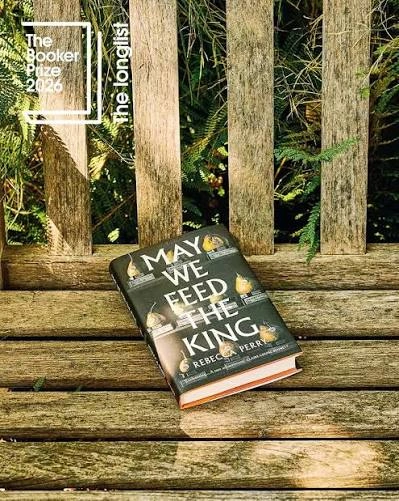
Rebecca Perry's May We Feed the King moves into a medieval court, following a reluctant monarch surrounded by political scheming. Elizabeth Strout's The Things We Never Say centres on a teacher in coastal Massachusetts whose seemingly comfortable life contains a secret. Even that pairing says something about the strange emotional architecture of the shortlist. The men dominate numerically, but the books themselves are not simply divided into “male problems” and “female problems”. They are six different attempts to understand people who have somehow become disconnected from the lives they are meant to be living.
And perhaps that is why the isolation theme feels more interesting than the gender count on its own.
I Guess Everyone Is Going Through It
The Booker judges insist that they did not begin with a checklist of subjects or author identities. They looked at the six books together and found a collection that moves between historical fiction, contemporary realism and speculative landscapes, with characters separated by geography and time. Still, once you know the shortlist is four men and two women, you cannot quite unsee it.
Maybe because the most interesting thing about this year's Booker is not that men are suddenly writing about crisis. It is that male crisis that has become such a recognisable cultural language. A man who cannot return home. A man who cannot escape his past. A man reduced to hiding inside a bag. A man trying to survive the end of the world. It is almost comic when you put it like that. But I think there is something underneath the joke. Literature has always been interested in people who cannot quite fit into the world around them. What feels different now is how often the figure at the centre of that discomfort is a man who has lost the confidence that he belongs there.
So perhaps the 2026 Booker shortlist is not really asking why men are going through it. It is asking what happens when men finally admit that they are.
