North Korea Debuts Hwasong-20 at Pyongyang Parade as 'Most Powerful' Nuclear Weapon

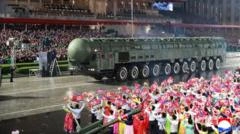
North Korea Debuts Hwasong-20 at Pyongyang Parade as 'Most Powerful' Nuclear Weapon
Rain-soaked Pyongyang parade features the Hwasong-20 ICBM, touted as North Korea's most powerful nuclear weapon, amid diplomacy with Russia, China and Vietnam.
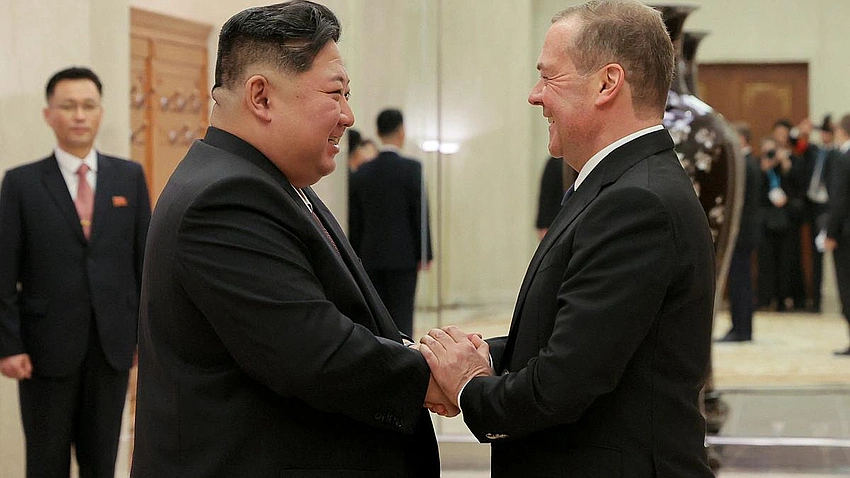
Thousands filled Pyongyang's main square on Friday night, braving rain as North Korea marked the 80th anniversary of the ruling Workers' Party with a towering display of military hardware. Kim Jong Un rode past the review stand as massed troops, missile carriers and drones rolled through the capital's rain-soaked streets. The spectacle underscored the regime's intention to project both deterrence and national pride, showing a clockwork precision of a state that has long prioritized military might. State media said the parade featured a new intercontinental ballistic missile called the Hwasong-20, described as the country's 'most powerful nuclear strategic weapon system.' The yet-to-be-tested launcher was carried along with other missiles, tanks, and weapon systems, signaling that Pyongyang may be preparing to test the new weapon in the coming weeks. The crowd watched tens of thousands of spectators waving flags as columns of goose-stepping soldiers, missile-mounted vehicles and drones moved by in the neon-lit square. Kim's address focused on the military's role in safeguarding the regime, saying the force should 'continue to grow into an invincible entity that destroys all threats.' He did not name the United States or South Korea, but the language reflected a broader aim of deterrence and resilience. He also paid tribute to thousands of North Korean soldiers he had sent to Russia to join its war in Ukraine, praising their 'heroic fighting spirit' and their reported 'ideological and spiritual perfection' in a fight for 'international justice and genuine peace.' Beyond the headline weapon, the parade showcased Kim's drive to expand conventional capabilities. State media showed new tanks, artillery systems and drones, illustrating a shift toward strengthening non-nuclear components of the military alongside its growing strategic arsenal. Observers noted the attendance of high-level Chinese, Vietnamese and Russian officials at the podium, highlighting North Korea's ongoing diplomacy with allies as it navigates regional tensions. The event underscored an image-building exercise that ties military prowess to political legitimacy at home and diplomatic signaling abroad. Analysts say the display sends deterrence signals to the United States and its partners while expanding Pyongyang's international ties, a dual message Kim has emphasized as he courts support and steadies his regime.
