Uganda's Museveni wins seventh term amid protests and internet blackout

Uganda's Museveni wins seventh term amid protests and internet blackout
Museveni clinches a seventh term with a strong lead as rival Bobi Wine denounces the results; internet shutdown and pockets of violence mark the election aftermath.
Uganda’s long-serving president Yoweri Museveni has been declared the winner of a highly contested election, extending his four-decade hold on power by another five years after garnering about 72% of the vote. At 81, Museveni has led the country since 1986, notching a seventh term as the opposition laments irregularities and claims of foul play. The election atmosphere was tense, with security tightened across major towns and the capital Kampala quiet as businesses remained largely shuttered.
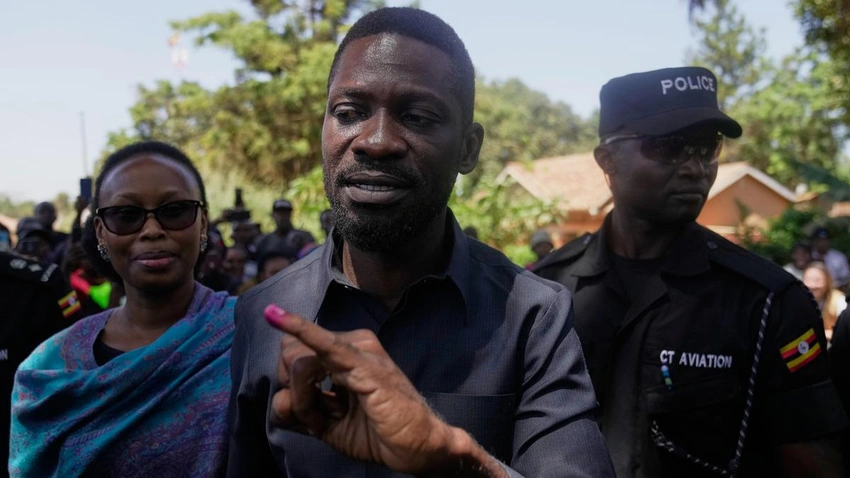
Across the country, the main challenger, Bobi Wine, rejected the results, alleging a rigged poll and ballot irregularities. He urged supporters to remain non-violent as protests were anticipated, though details of any planned actions were not forthcoming. While some observers reported no clear evidence of ballot stuffing, the electoral process faced persistent accusations from Wine’s camp about manipulation and coercion in various regions.
The aftermath has been marred by violence in several neighborhoods, with authorities confirming a death toll that stood at seven, though Wine’s team alleged higher numbers, claiming more lives in the days surrounding voting. In Kampala, the mood was subdued, with roads largely empty and many shops closed as people weighed the implications of a widely anticipated outcome that will extend Museveni’s lengthy rule. Internet access has been cut since Tuesday, a move authorities say necessary to curb misinformation and reduce violence, a measure that has drawn international concern about information rights and transparency.
The African Union observer mission, led by a former head of state, indicated there was no clear evidence of ballot stuffing, while urging all parties to pursue unity and peaceful engagement with the electoral process. Elections in Uganda have long been a touchstone for debates about democracy in Africa, and this year’s results are likely to intensify discussions about governance, reform, and the balance between stability and political openness.
International voices and rights groups have voiced concern over the internet blackout and the broader implications for free expression, while some analysts note that Museveni’s continued leadership could bring relative political stability in a country facing regional security concerns and economic challenges. For many Ugandans, the immediate question is whether this victory will translate into meaningful reforms and greater political space, or if the entrenched leadership will continue to shape the trajectory of the country for years to come.
