Why Some Pimples Leave Marks Even When You Never Touched Them
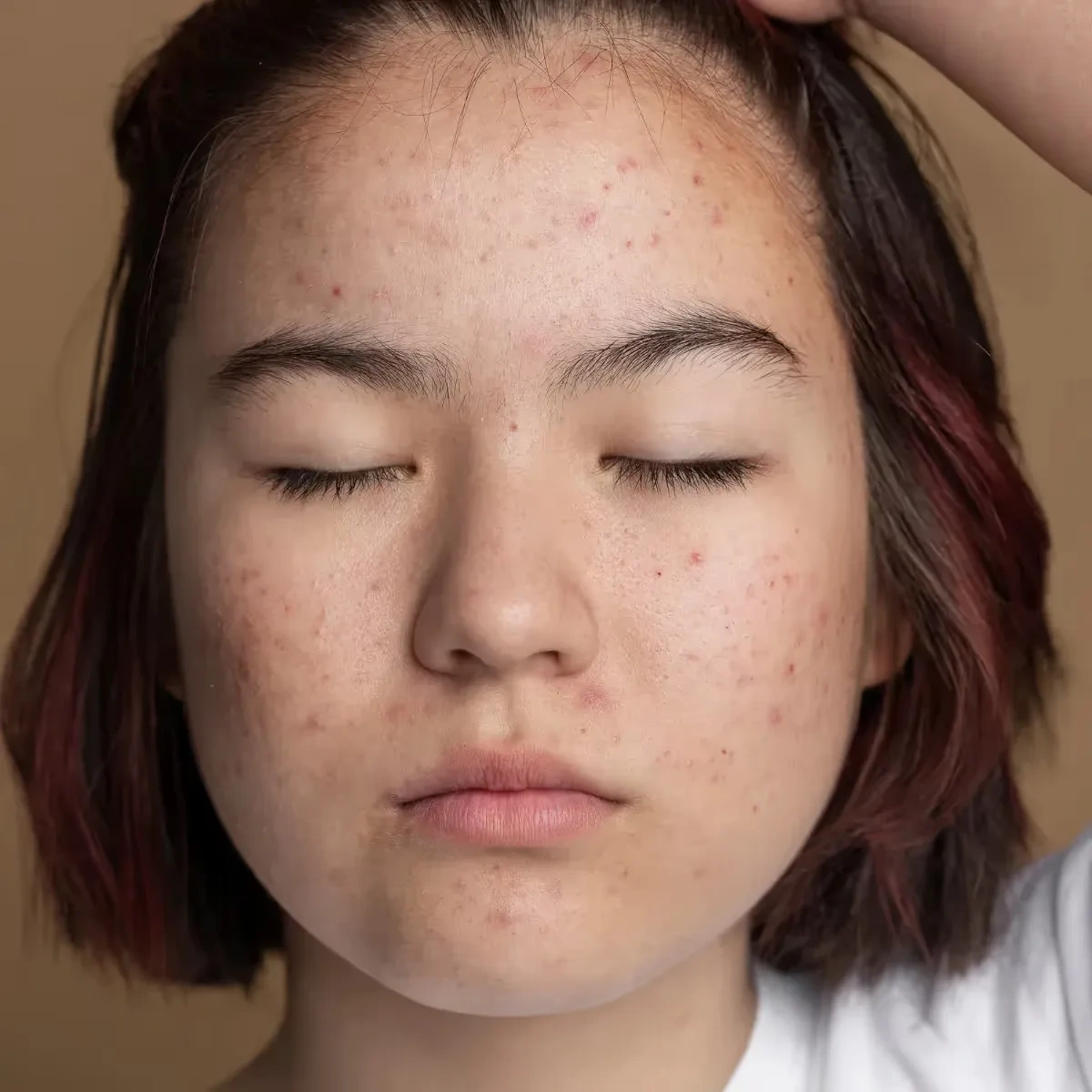
Why Some Pimples Leave Marks Even When You Never Touched Them
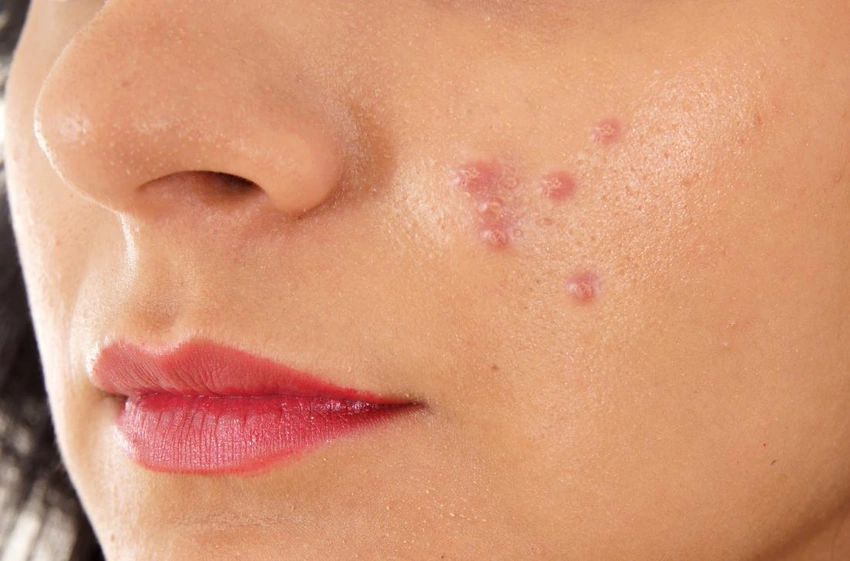
A lot of people believe acne marks only happen when pimples are picked, squeezed, or scratched. While touching the skin definitely increases the risk of scarring and pigmentation, it is not the only reason marks appear after breakouts. In fact, many people who are extremely careful with their skin still notice stubborn post-acne spots that linger for weeks or even months.
This happens because acne is not just a surface issue. Inflammation begins deep beneath the skin before a pimple becomes visible. By the time the breakout appears, the skin has already started reacting internally. Even if someone uses a lightweight sunscreen for oily skin 🔗 daily and avoids touching their face completely, the inflammatory process itself can still trigger pigmentation changes.
This is one of the lesser-discussed realities of acne recovery. Sometimes the skin heals externally faster than it heals internally.
Inflammation Is What Creates Most Post-Acne Marks
When a breakout forms, the body sends inflammatory cells to the affected area. These cells help fight bacteria and repair damaged tissue, but they can also overstimulate melanin production. Melanin is the pigment responsible for skin color, and when it becomes unevenly distributed after inflammation, dark marks begin to appear.
This condition is commonly known as post-inflammatory hyperpigmentation.
People with deeper skin tones are often more prone to these marks because their skin naturally produces more melanin. However, lighter skin tones can also develop red, brown, or purple post-acne spots depending on the severity of inflammation.
The important thing to understand is that pigmentation can occur even when:
- Pimples are never touched
- Breakouts are relatively small
- Skin is cleansed properly
- The acne heals quickly
- There is no visible scarring
The inflammation itself is enough to trigger discoloration.
Why Some Marks Fade Quickly While Others Stay Longer
Not all acne marks behave the same way. Some disappear within a few days, while others seem permanent. Several factors influence how long pigmentation lasts.
Skin Barrier Strength
A compromised barrier slows down the skin’s natural repair process. Over-exfoliation, harsh cleansers, and excessive active ingredients can weaken recovery.
Sun Exposure
UV exposure darkens healing marks and makes pigmentation last significantly longer. Even indirect sunlight can worsen post-acne spots over time.
Depth of Inflammation
Deep cystic pimples create more internal inflammation than surface-level whiteheads, increasing the risk of prolonged discoloration.
Skin Hydration
Hydrated skin often heals more efficiently because healthy moisture levels support cell turnover and repair mechanisms.
Consistency of Routine
Constantly changing products may interrupt the healing process. Skin generally responds better to stable, predictable routines.
Why Acne Marks Often Look Worse at Night
This is something many people notice but rarely discuss. Acne marks may appear lighter during the day and darker in the evening. This visual fluctuation happens because blood circulation, lighting, dehydration, and skin temperature change throughout the day.
At night:
- Skin may become slightly dehydrated
- Indoor lighting creates stronger shadows
- Blood vessels can appear more visible
- Inflammation may temporarily look more pronounced
This does not necessarily mean the pigmentation is worsening. The skin simply reflects environmental changes differently throughout the day.
Modern Skincare Is Focusing More on Prevention Than Correction
For years, acne care focused mostly on treating active pimples. But now, more skincare routines are designed to minimize the after-effects of breakouts before they become severe.
This includes:
- Supporting the skin barrier early
- Using sunscreen consistently
- Reducing unnecessary irritation
- Keeping inflammation controlled
- Avoiding aggressive scrubbing
The shift toward prevention matters because once pigmentation settles deeply into the skin, fading it becomes slower and more difficult.
Many people now use ingredients like niacinamide, cica, ceramides, and gentle exfoliants not only for acne itself but for maintaining calmer skin overall.
The Link Between Stress and Persistent Acne Marks
Stress affects more than active breakouts. Elevated cortisol levels may prolong inflammation inside the skin, slowing down recovery even after pimples heal.
This explains why skin sometimes looks duller, redder, or more uneven during emotionally stressful periods.
Stress-related inflammation may also:
- Increase oil production
- Slow wound healing
- Disrupt skin barrier function
- Trigger recurring breakouts in the same areas
Interestingly, recurring acne in the exact same location often creates darker pigmentation because the skin repeatedly experiences inflammation before fully recovering.
What Research Says About Acne Pigmentation
Acne-related pigmentation is extremely common worldwide, especially among individuals with medium to deep skin tones. According to the American Academy of Dermatology, post-inflammatory hyperpigmentation can sometimes last longer than the acne breakout itself, particularly without proper sun protection.
This explains why many dermatologists emphasize early prevention rather than waiting for marks to become stubborn and deeply visible.
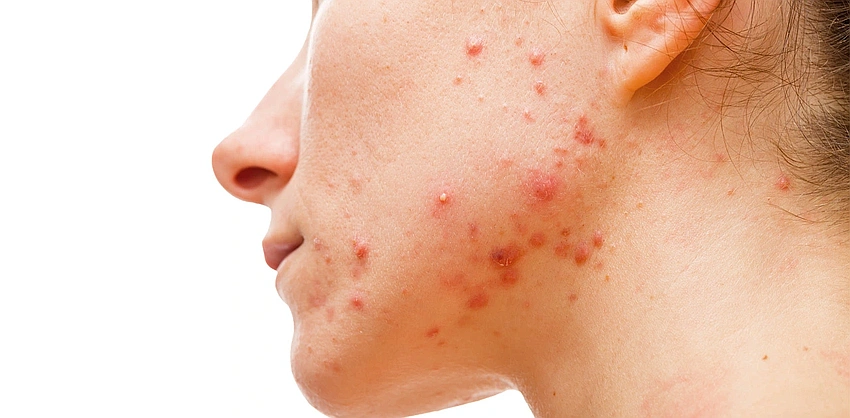
Why Gentle Routines Are Becoming More Effective Long-Term
There is a growing realization in skincare that overly aggressive routines often create more inflammation than improvement. Many people unintentionally damage their skin while trying to clear it faster.
Common mistakes include:
- Using multiple exfoliants together
- Washing the face excessively
- Skipping moisturizer
- Overusing drying treatments
- Ignoring sunscreen
The result is irritated skin that struggles to heal properly.
Gentler routines tend to support more consistent progress because they allow the skin barrier to remain functional. Healthy skin recovers inflammation more efficiently than stressed skin.
This is why barrier-supportive products are becoming increasingly important in acne-focused routines.
Pigmentation Is Not Always Permanent
One of the most reassuring things about post-acne marks is that many of them gradually improve with time and consistency. Skin naturally renews itself through cell turnover, though the process can be slow.
Several habits may support healthier recovery:
- Daily sunscreen use
- Consistent hydration
- Minimal picking or friction
- Barrier-supportive moisturizers
- Balanced active ingredient use
- Adequate sleep and stress management
Patience is important because skin repair happens gradually beneath the surface before visible improvement appears externally.
The Difference Between Acne Marks and Acne Scars
People often confuse pigmentation with true scarring.
Acne Marks
These are usually flat areas of discoloration caused by inflammation. They may appear red, brown, pink, or purple.
Acne Scars
Scars involve changes in skin texture. The skin may appear indented, raised, or uneven due to collagen damage.
This distinction matters because pigmentation generally fades more easily than structural scarring.
Why Skin Recovery Should Be Viewed Holistically
Acne recovery is rarely just about removing pimples. The overall condition of the skin matters equally. Calmness, hydration, barrier health, and inflammation control all contribute to how the skin heals afterward.
Modern skincare routines are increasingly combining:
- Gentle cleansing
- Targeted acne treatment
- Hydration support
- Pigmentation prevention
- Daily SPF protection
This balanced approach often produces healthier long-term results compared to routines focused entirely on stripping oil or aggressively drying blemishes.
Conclusion
Pimples can leave marks even when the skin is treated carefully because inflammation itself plays a major role in pigmentation. Acne recovery is influenced by sun exposure, skin barrier strength, hydration, stress, and overall skin health, not just whether someone touches their face.
Instead of focusing only on removing active breakouts, many people now prioritize prevention, barrier support, and consistent protection to reduce long-term discoloration. Products designed for hydration, calming support, and targeted recovery have become essential parts of modern acne care routines.
Many skincare routines today also include a Barrier repair face moisturizer 🔗 🔗to support healthier recovery while minimizing irritation during acne treatment. This balanced approach helps the skin heal more comfortably and consistently over time.
CTA
Explore skincare designed for acne recovery, hydration, barrier support, and balanced daily routines at World of California 🔗.
FAQs
Can acne marks appear even if I never touch my pimples?
Yes. Inflammation beneath the skin can trigger pigmentation even without picking or squeezing the breakout.
Why does sunscreen matter for acne marks?
UV exposure can darken post-acne pigmentation and slow the fading process, making marks last longer.
How long do acne marks usually take to fade?
It varies depending on skin type, inflammation severity, sun exposure, and skincare consistency. Some marks fade within weeks while others may take months.
Are acne marks and acne scars the same thing?
No. Acne marks are usually flat discoloration, while scars involve changes in skin texture and collagen structure.
Can over-exfoliating worsen pigmentation?
Yes. Excessive exfoliation may irritate the skin barrier and increase inflammation, which can worsen post-acne marks over time.
