Unleashing the 'Horses': Patti Smith's Punk Poetry & Rock's Female Revolution

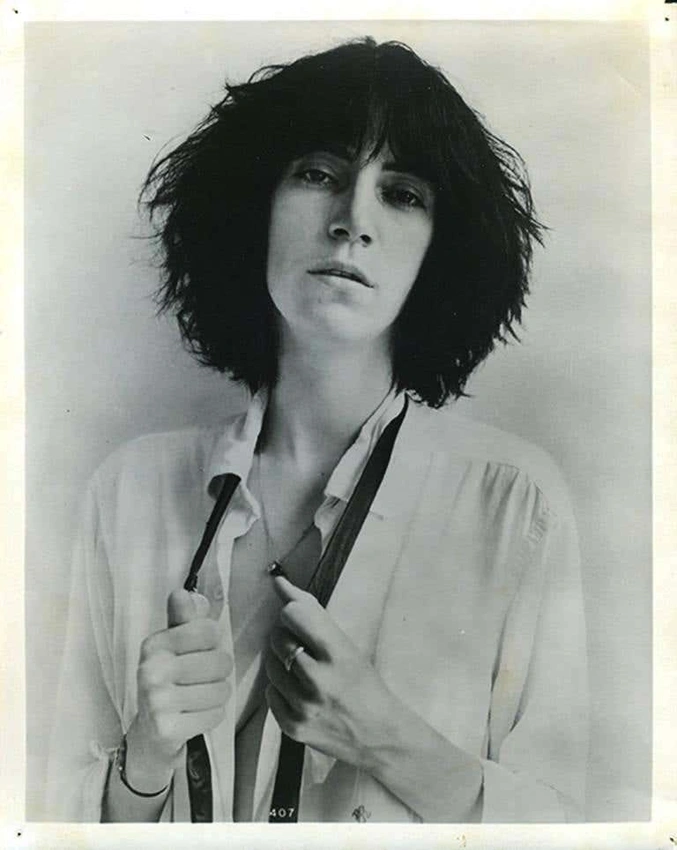
Unleashing the 'Horses': Patti Smith's Punk Poetry & Rock's Female Revolution
Discover how Patti Smith's seminal album 'Horses' redefined punk, shattered stereotypes, and fused poetry with rock, leaving an indelible mark on music history.
Unleashing a Sonic Revolution: Patti Smith's 'Horses'
When Patti Smith's debut album, Horses , galloped into existence in 1975, it wasn't just another rock record, it was a seismic event. It's an acknowledgment of an LP that didn't just announce an artist, but carved out an entirely new space within the musical landscape.
Horses arrived like a lightning bolt, fusing beat poetry's cerebral grit with rock and roll's raw, visceral energy, all while dismantling prevailing notions of what a female artist should be.
Where Poetry Met Punk
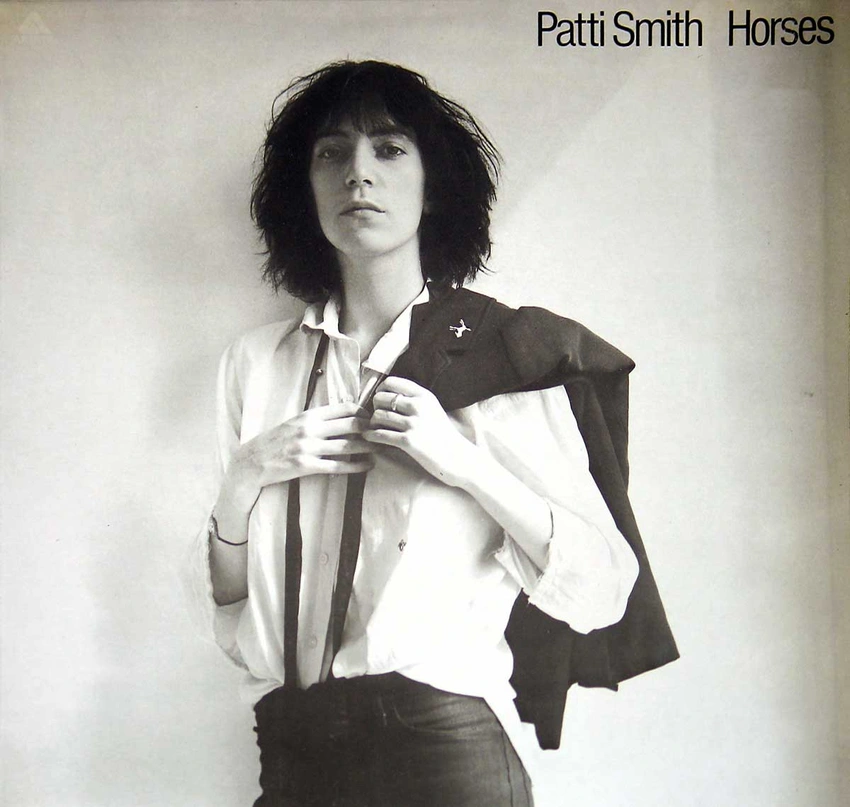
Before Horses , rock music rarely sounded so intellectually charged yet so undeniably feral. Smith, a poet first and foremost, infused every line with a literary weight that belied the music's garage-rock immediacy. Her lyrics, often stream-of-consciousness narratives bursting with religious imagery, rebellious fervor, and profound vulnerability, elevated the genre.
Tracks like “Gloria” transformed Van Morrison's garage staple into an existential punk manifesto, opening with the immortal, defiant declaration: “Jesus died for somebody's sins but not mine.” It was a bold, confrontational statement that perfectly encapsulated the album's spirit.
Shattering the 'Rock Goddess' Myth
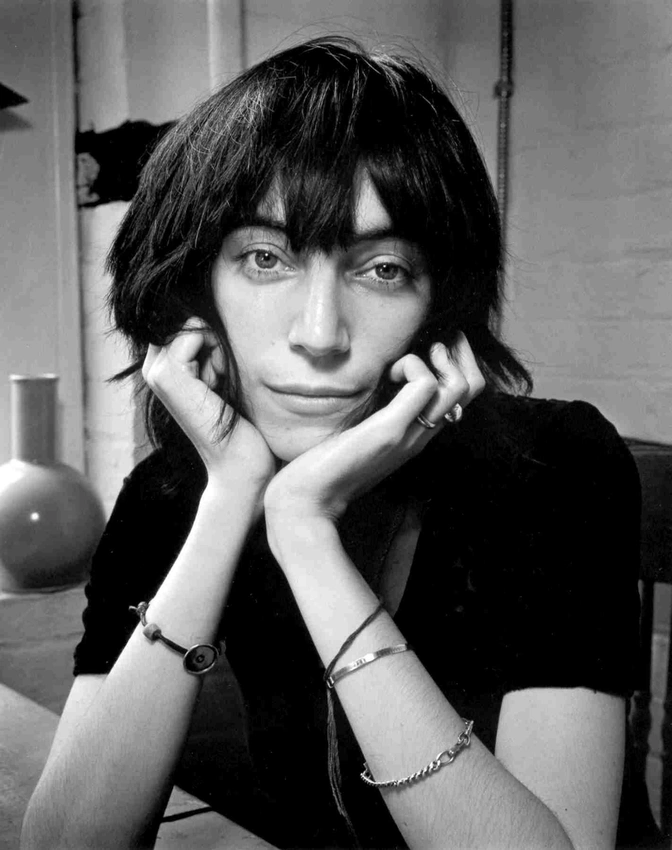
Perhaps Horses ' most profound impact was its unapologetic demolition of female rock stereotypes. In an era often defined by hyper-feminine 'rock goddesses' or demure folk singers, Patti Smith presented something entirely different. Her androgynous look, the stark Mapplethorpe portrait on the cover, her unpolished stage presence, and her fiercely intelligent lyrics all challenged the male gaze head-on.
She wasn't performing femininity; she was performing raw, unadulterated selfhood .
She was a poet, a prophet, a rock and roller, a woman who dared to occupy all those spaces without compromise. Her persona wasn't about being pretty or palatable; it was about being powerful and authentic. She demonstrated that intellectual rigor and punk rock fury weren't mutually exclusive, and that a woman could embody both without needing permission or softening her edges.
Essential Roars From 'Horses'
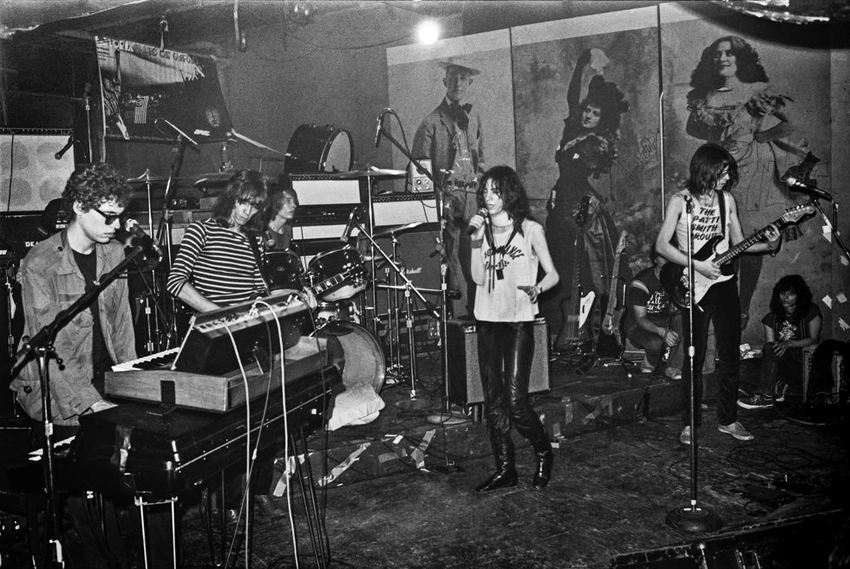
While “Gloria” remains an iconic cornerstone, Horses is riddled with tracks that highlight Smith's genius for punk poetry and boundary-pushing. “Redondo Beach” offers a haunting, almost cinematic narrative, while “Free Money” is a burst of frantic energy, her vocals a primal scream over a surging band. Then there's “Land”, an eleven-minute odyssey that weaves together a tale of escape, a tribute to Little Richard, and a dizzying exploration of identity and mythology.
It's an epic piece that exemplifies her ability to build vast emotional and narrative landscapes within the confines of a rock song.
“To me, punk rock is the freedom to create, freedom to be successful, freedom to not be successful, freedom to be dangerous, freedom to be safe, freedom to be me, freedom to be you, freedom to be the best, freedom to be the worst, freedom to be human.”
Each track on Horses isn't just a song; it's a chapter in a revolutionary text, a testament to the idea that rock and roll could be profound, personal, and utterly transformative.

The Echo That Never Fades
Over four decades later, Horses remains as electrifying and relevant as ever. It's a foundational text for anyone interested in punk, art rock, or the broader history of challenging norms in popular music. Patti Smith didn't just release an album; she kicked down doors, smashed expectations, and gave countless artists, especially women, permission to be their truest, most uncompromising selves.
If you haven't taken the ride, now's the time to let Horses run wild in your speakers.

Login to comment.
No thots yet. Be the first to share your thoughts!