Reverse Layering: The Unconventional Skincare Method Changing Acne Routines

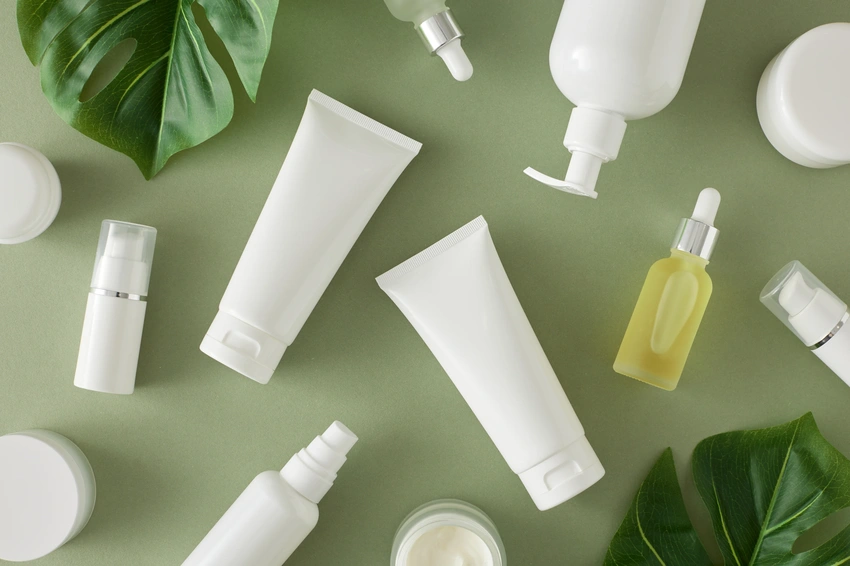
Reverse Layering: The Unconventional Skincare Method Changing Acne Routines
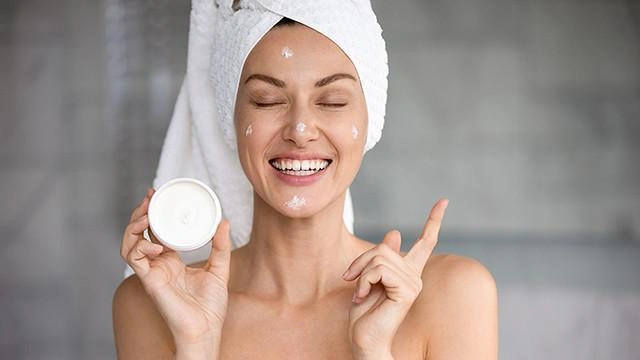
Most skincare routines follow a predictable order, from lightest to heaviest textures. But what if reversing that order could actually improve your acne results? Reverse layering is a lesser-known approach that focuses on protecting the skin barrier first, then delivering treatment in a more controlled way. This method is especially useful for acne-prone skin that reacts easily to strong actives. Starting your routine with a barrier-supporting base like a 🔗barrier repair face moisturizer 🔗 can help reduce irritation while still allowing active ingredients to work effectively.
What Is Reverse Layering in Skincare
Reverse layering flips the traditional order of product application. Instead of applying serums first and moisturizer last, you begin with hydration and barrier support before introducing treatment products.
The idea is simple:
- Protect the skin first
- Then apply actives in a buffered way
- Reduce irritation while maintaining effectiveness
This method is particularly beneficial for sensitive or acne-prone skin.
Why Traditional Layering Does Not Work for Everyone
The standard skincare approach works well for many, but it can be too harsh for some skin types.
Common issues include:
- Increased sensitivity from direct active application
- Over-penetration of strong ingredients
- Compromised skin barrier
Reverse layering helps minimize these problems by creating a protective buffer.
How Reverse Layering Helps Acne-Prone Skin
Acne treatments often contain powerful ingredients that can irritate the skin. By applying a moisturizer first:
- The skin barrier is strengthened
- Actives penetrate more gradually
- Irritation and dryness are reduced
This allows you to treat acne without damaging your skin.
The Science Behind Buffered Skincare
When active ingredients are applied over a moisturizer, their absorption is slightly slowed. This controlled delivery:
- Reduces the risk of irritation
- Maintains effectiveness over time
- Improves skin tolerance to actives
This approach is often recommended for people new to strong treatments.
Step-by-Step Reverse Layering Routine
Morning Routine:
- Gentle cleanser
- Lightweight moisturizer
- Serum (if needed)
- Sunscreen
Evening Routine:
- Cleanser
- Moisturizer
- Treatment serum or spot treatment
This structure ensures that your skin is protected before exposure to active ingredients.
Where Targeted Treatments Fit In
Spot treatments and patches can still be used effectively in reverse layering.
Apply them:
- After moisturizer
- Directly on affected areas
- Before heavier creams if needed
This ensures targeted care without overwhelming the skin.
What Research Says About Skin Barrier Protection
Studies emphasize the importance of maintaining the skin barrier when treating acne. According to research published in the American Journal of Clinical Dermatology, barrier repair plays a crucial role in improving acne outcomes and reducing irritation from treatments.
This supports the idea that protecting the skin should come before aggressive treatment.
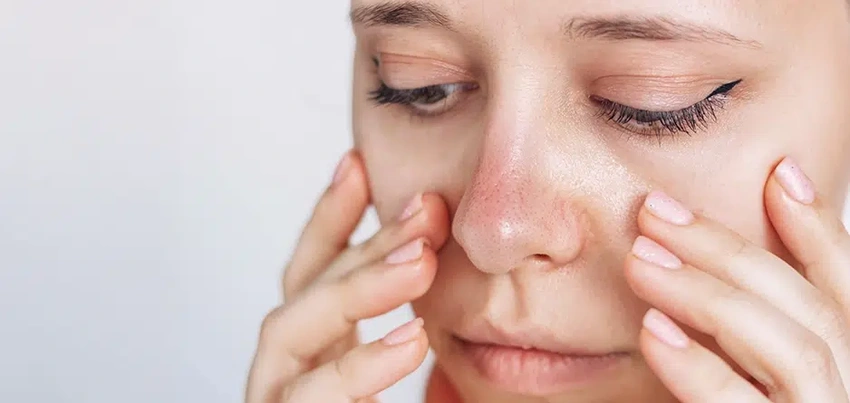
Who Should Try Reverse Layering
This method is ideal for:
- Sensitive skin types
- People experiencing irritation from acne treatments
- Beginners using active ingredients
- Anyone with a damaged skin barrier
It may not be necessary for everyone, but it can be highly beneficial in specific cases.
Common Mistakes to Avoid
When trying reverse layering, avoid:
- Using too many products at once
- Applying heavy creams before lightweight ones
- Skipping cleansing
- Expecting instant results
Keep your routine simple and consistent for the best outcome.
The Long-Term Benefits of Reverse Layering
Adopting this method can lead to:
- Reduced irritation
- Stronger skin barrier
- More consistent acne control
- Improved tolerance to active ingredients
It shifts your routine from aggressive treatment to balanced care.
Conclusion
Reverse layering challenges traditional skincare rules but offers a practical solution for sensitive, acne-prone skin. By prioritizing barrier protection, you can reduce irritation while still benefiting from active treatments. This method proves that sometimes, changing the order of your routine can make a significant difference. Incorporating targeted solutions like a 🔗salicylic acid patches 🔗 🔗ensures that breakouts are treated effectively without compromising your skin’s health.
Call to Action
Discover a smarter way to care for your skin with products designed for balance and effectiveness. Explore innovative skincare solutions at World of California 🔗 and build a routine that works with your skin, not against it.
FAQs
Is reverse layering suitable for oily skin?
Yes, as long as you use lightweight, non-comedogenic moisturizers.
Will this method reduce the effectiveness of actives?
It may slow absorption slightly but still delivers effective results with less irritation.
Can I use this method daily?
Yes, especially if your skin is sensitive or prone to irritation.
Should I stop traditional layering completely?
Not necessarily. You can alternate based on your skin’s needs.
How long does it take to see results?
You may notice reduced irritation within days, with improved skin condition over a few weeks.

Login to comment.
No thots yet. Be the first to share your thoughts!