When a Dupatta Becomes a 'Scarf': How Fashion Rebrands Tradition for Profit

When a Dupatta Becomes a 'Scarf': How Fashion Rebrands Tradition for Profit
When a Dupatta Becomes a 'Scarf': How Fashion Rebrands Tradition for Profit
An essay on how everyday items like dupattas and kolhapuri chappals are rebranded as luxury, erasing origins and redistributing value in a global fashion market.
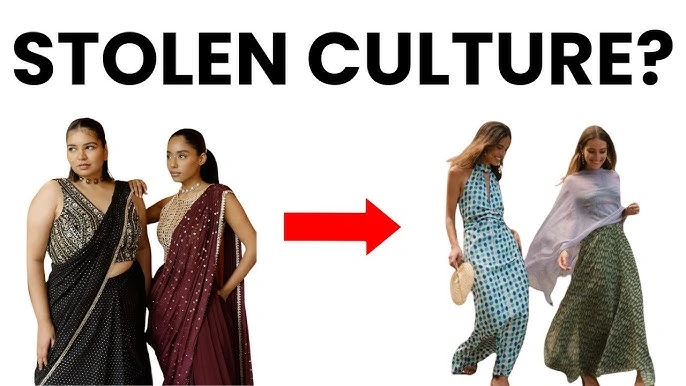
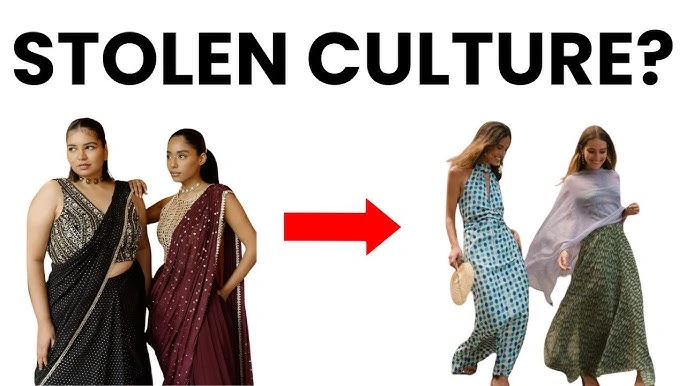
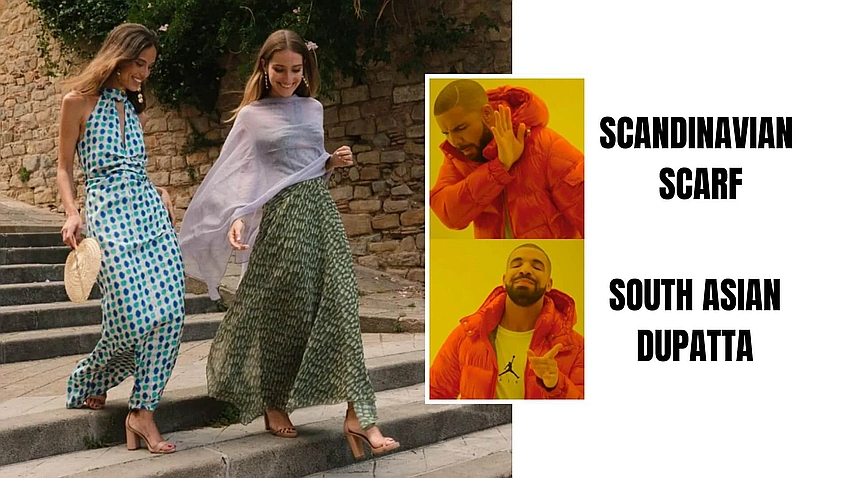
There is a particular ache that arrives when an everyday object from home, something worn by grandmothers, repaired by tailors, sold on street corners, suddenly appears in a glossy runway lookbook with a different name and a straighter price tag. In the last few years, that ache has become a recurrent public argument: dupattas called “Scandinavian scarves”, Kolhapuri chappals rebranded as luxury sandals, and waist chains repackaged as the latest accessory to be worn by influencers. These moments are gestures of extraction that reframe lived labour and history as novelty for a global market.
What rebranding does
Rebranding a dupatta re-tagged as a “scarf”, a kamarband renamed a “belt”, and a humble leather chappal rechristened a designer sandal does two things at once. Formally, it erases origin: the public narrative becomes about ‘a discovery’ rather than about continuous practice. Economically, it redistributes value: artisanal time and community knowledge are rendered invisible while a luxury ledger writes profit against a borrowed silhouette. The result is a form of cultural dispossession that looks like fashion but functions like appropriation. The Prada Kolhapuri row of 2025 crystallised this pattern: traditional Kolhapuri footwear made by generations of craftspeople in Maharashtra was echoed on an international runway, prompting outrage because the lineage and livelihoods behind the object were omitted from the conversation.

The politics of naming
Language is a tool of ownership. When a dupatta is framed as a “Scandinavian scarf” in editorial copy or when a waist chain becomes a “boho belt” in product descriptions, what is being translated is not cloth but context. The garment’s rituals, its seasonal meanings, and the caste- and class-wise economies that sustain its production; all those textures are flattened into an aesthetic. This naming erasure is particularly pernicious when the rebranded object is marketed without brown bodies in the imagery or without any engagement with the communities that made it legible in the first place. The effect: a reassignment of cultural credit that privileges the extractor over the originator.
The labour behind the object
Fashion’s glamour masks a labour history. Kolhapuri chappals, kamarbandhs and even the hand-stitched corners of a dupatta carry with them apprenticeship systems, regional materials and centuries of tacit knowledge. When these are sold back to the world as “new” shapes, the makers remain anonymous. The fallout is not merely moral; it is practical. Artisans see their price brackets undercut while large brands profit from the aesthetic. The legal frameworks designed to protect traditional knowledge, such as geographical indications, GI tags, and collaborative licensing, are still partial shields; public pressure, litigation, and collective bargaining have become necessary strategies for communities to claim restitution.

Critics are not asking for a cultural curfew
Opposition to this repackaging is often caricatured as nostalgia or possessiveness. That is a bad framing. Calls for attribution, collaboration, and fair compensation are not bans on exchange; they are demands for acknowledgement and reciprocity. True cultural exchange would look like visible partnerships with artisans, accurate storytelling in marketing copy, and profit-sharing mechanisms that benefit origin communities. Scholars and activists ask for systems that do more than append a placard, institutions that make the histories visible and the economic benefits distributive. This is not anti-cosmopolitanism; it is a plea to decentre wealth and gatekeeping in the global fashion imagination.

The aesthetic’s future
Fashion can honour its debts. It can commission craftspeople rather than copy them; it can educate consumers instead of exoticising them; it can hire brown designers and photographers rather than borrow from their visual language without representation. The enduring remedy requires structural change in how value is recognised: legal recognition of traditional designs, stronger bargaining power for cooperatives, and a cultural literacy among consumers that values provenance as much as novelty.
Being strident and tender at once
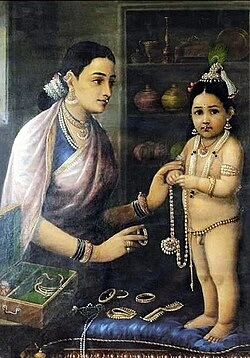
To write about appropriation is to balance anger with specificity. The anger comes from recognition: the dupatta on an aunt’s shoulder becomes a commodity in a foreign shopfront with none of the histories that made it meaningful. The tenderness is for the makers, the cobblers, the weavers, and the women who tie waist chains at weddings, whose labour is ordinary and extraordinary at once. Calling out appropriation matters because naming matters: it can restore lineage, redirect economic flows, and insist that fashion is not a neutral grammar but a set of social relations. If the aesthetic is global, then so must be the responsibility.
#FashionEthics #CulturalRebrand #SlowFashion #LabourRights #DesignHistory
