Israel Recognizes Somaliland as Sovereign State, Opens Diplomatic Ties

Israel Recognizes Somaliland as Sovereign State, Opens Diplomatic Ties
Israel becomes the first country to recognise Somaliland as a sovereign state, sealing full diplomatic ties and plans for embassies amid mixed regional reactions.
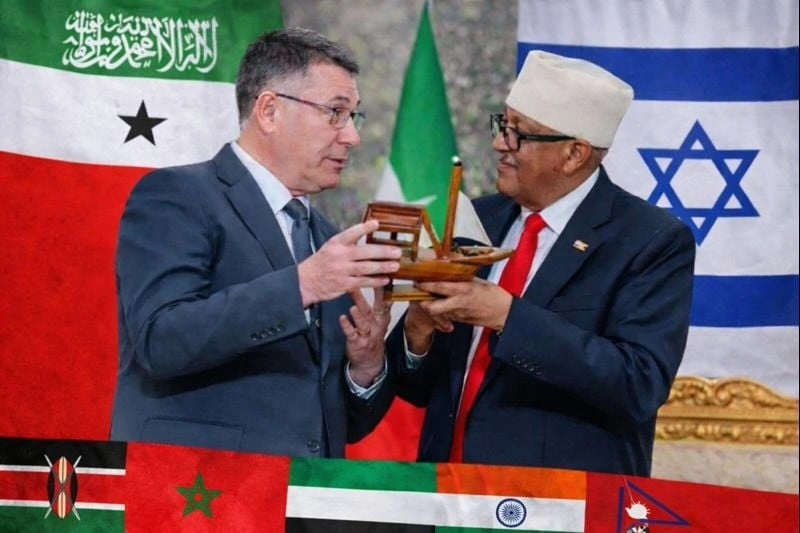
In a move that marks a historic shift in regional diplomacy, Israel announced it recognizes Somaliland as a sovereign state and said the two sides have signed an agreement establishing full diplomatic relations. The arrangement includes plans to open embassies and appoint ambassadors, with the foreign minister stating that the steps would be immediately institutionalised. The announcement came after a year of talks, underscoring a strategic tilt that aligns with the broader spirit of the Abraham Accords. The Somaliland president, Abdirahman Mohamed Abdullahi, welcomed the decision and said he would be glad to visit Jerusalem as soon as possible, calling the friendship between the two countries historic.
Somaliland, a self-declared state that declared independence from Somalia in 1991, has long operated as a de facto entity but has avoided formal recognition by UN member states. Its control over the north-western portion of Somalia has allowed it to maintain its own government, security forces, and border management, though international legitimacy has remained elusive. The Israeli move is seen by some analysts as potentially advancing Israeli interests in the Horn of Africa, a region of growing strategic importance for trade, security, and diplomacy.
The decision drew swift condemnation from Somalia and neighbouring states. Egypt, Turkey, and Djibouti argued that recognizing Somaliland could set a dangerous precedent by challenging Somalia’s territorial integrity and unity. They warned that unilateral moves to recognise parts of sovereign states threaten stability and could undermine existing UN-backed frameworks. Israeli officials emphasised that the move reflects a pragmatic approach to diplomacy, while allies noted that it could bring more regional dialogue and economic opportunities to Somaliland’s stalled development trajectory.
Analysts note that while recognition by a single country doesn’t guarantee sweeping international acceptance, it could encourage other states to reconsider their positions and may pave the way for broader engagement in the region. The Abraham Accords reference in the Israeli statement highlights a broader aim of normalising ties across the region, even as disputes over sovereignty and allegiance continue to complicate the broader Middle East landscape.
As the situation unfolds, observers will watch for how Somaliland leverages this new diplomatic window, whether Somalia and its partners respond with further moves, and what impact this has on regional stability, trade routes, and the balance of power in the Horn of Africa.
