Iran Says Hormuz Strait Closed to Enemies, Ships Turn Back

Iran Says Hormuz Strait Closed to Enemies, Ships Turn Back
Iran declares the Strait of Hormuz closed to ships linked to enemies, halting passage without permission as tensions rise and global shipping is watched closely.
Iran has signaled a hard line over Hormuz, declaring the Strait closed to ships linked to enemies and their allies. A senior Iranian minister said there is 'no reason to allow the ships of our enemies and their allies to pass' through the chokepoint, underscoring a policy shift on navigation rights in one of the world's busiest maritime corridors. The statement adds to decades of Iranian rhetoric about control over the Gulf's most strategic waterway.
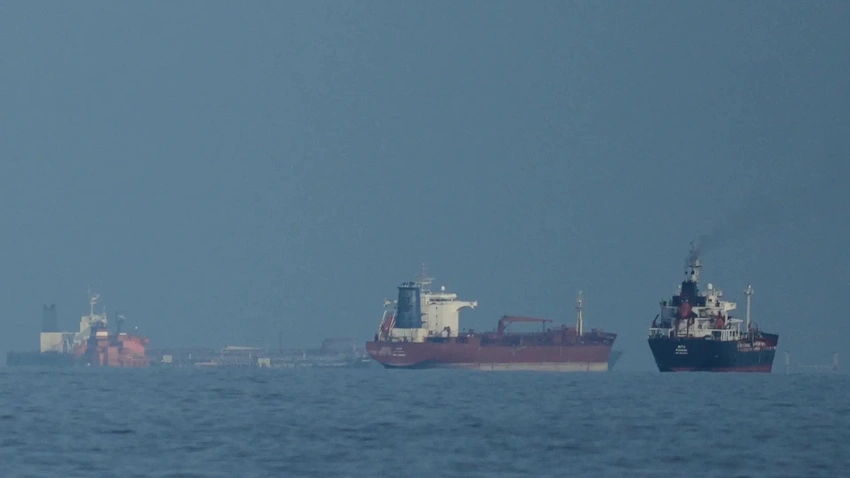
The latest move comes after reports that a Pakistan-bound vessel was blocked from crossing Hormuz due to a lack of permission, effectively turning back a ship that had hoped to pass through the strait. Analysts say the action signals a tougher Tehran line on who may transit the Hormuz corridor, even as global oil buyers depend on uninterrupted access.
Experts warn that any disruption in Hormuz traffic can ripple through global oil shipments, triggering market jitters and calls for restraint from international partners. While Tehran frames the stance as a defensive measure against enemies, diplomats and shipping firms are watching for further signs of restriction or escalation.
The Strait of Hormuz has long been a flashpoint in Middle East tensions. The current rhetoric reinforces Iran's assertion of control while also inviting questions about spillover risks for regional stability and international commerce. With ships queued outside the chokepoint and insurers weighing risk, the world remains attentive to every new development.
