Are Concert Tees Sacred or Just Sales? A Look at Fan Devotion and Merch Culture

Are Concert Tees Sacred or Just Sales? A Look at Fan Devotion and Merch Culture
Are Concert Tees Sacred or Just Sales? A Look at Fan Devotion and Merch Culture
An essay on how merch items become tokens of belonging, blending devotion with consumer culture. They act as talismans that reveal identity while exposing the pull of marketing and capitalism.
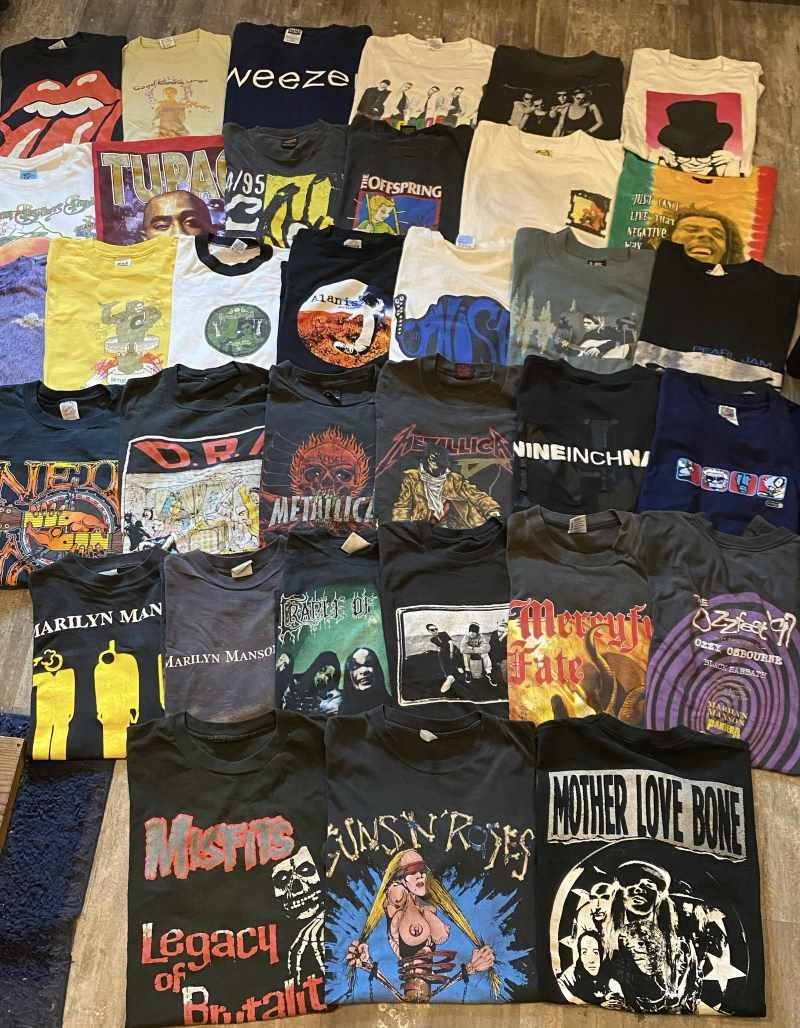
Let me start by saying that I own at least 5 or 6 concert tees, which is certainly more than the plain ones I own. Each one feels like an invocation, a miniature reliquary for a moment in music, fandom, or belonging. As a humanities student, however, I can’t help but see these garments not simply as clothes, but as objects with value. They are worn with a sense of devotion, almost as if the band or star were a deity and the merch a talisman.
Yet, beneath the romance of devotion lies a thornier truth. Our sacred objects are also commodities, and the culture of merch is entangled with consumption, marketing, and capitalism.
Merch as Objects of Devotion
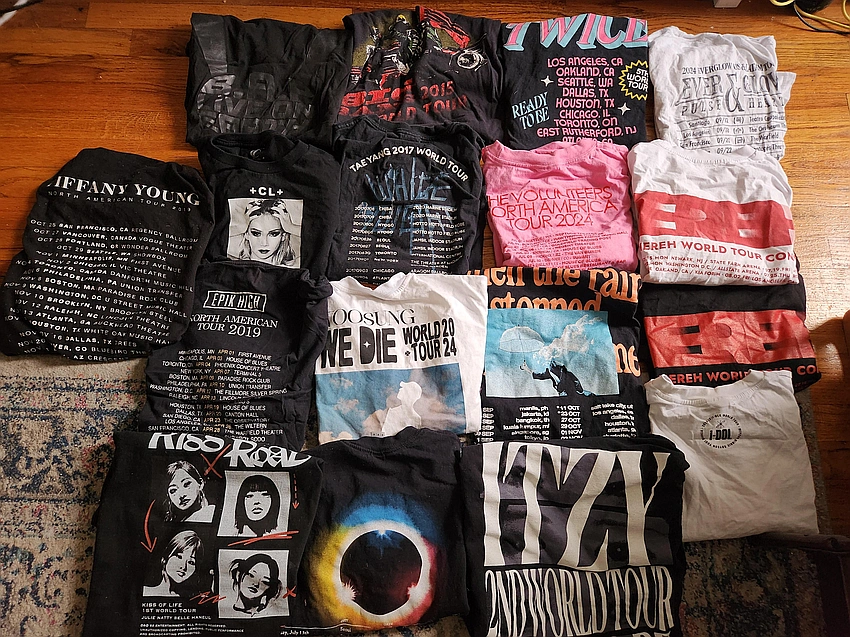
Material religion scholars explore how objects can become conduits for religious meaning. Although they studied religious artefacts such as rosaries, relics, and icons; the same logic applies to fan merchandise. These items serve as symbols, granting access to a sense of identity and belonging that feels transcendent. In this sense, a faded tour hoodie or signed vinyl becomes a relic of its own: a portal to memory, ritual, and communion.

Fan Culture as Implicit Religion
This isn’t just a metaphor. Academic studies have shown that fan communities often enact structures reminiscent of religion, collective insider jokes, sacred spaces, and shared rituals at concerts and are sometimes described as “implicit religion”. At gigs, the sea of T-shirts is as close to liturgical vestments as popular culture gets. To wear the merch is to affirm belief, to join the congregation.
Identity, Community, and Sacredness
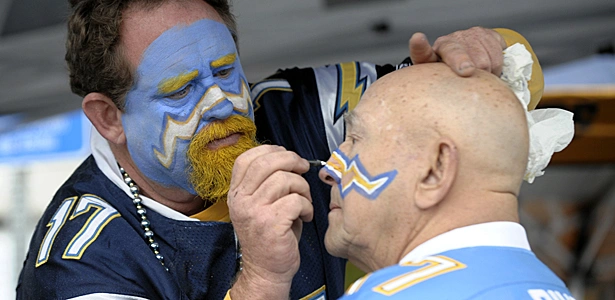
Merch is more than display; it’s an act of belonging. Social identity theory suggests that fans perceive their favourite team or star as sacred, untouchable, and bound up with who they are. Replace the football shirt with a pop icon’s hoodie, and you have the same equation: devotion wrapped in cotton, stitched into selfhood.
Consumption as Capital
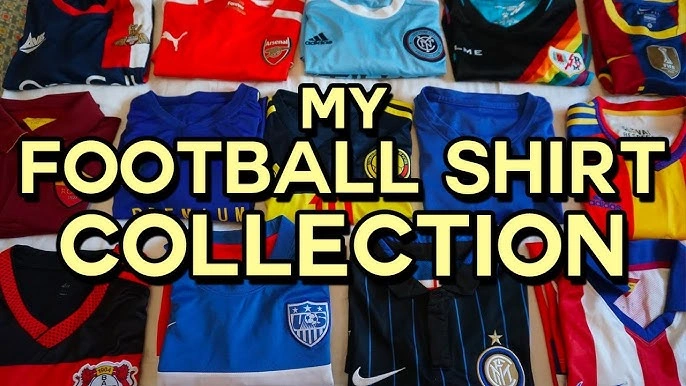
But there’s a catch. Merch is sacred, yes, but it is also bought. The rituals of collection and display risk collapsing into cycles of overconsumption. Fans are encouraged to buy multiple versions of the same product through limited editions, reissues, and colour variants. The industry knows how to monetise devotion, turning faith into revenue streams. This is where the metaphor of religion grows uncomfortable: when devotion becomes indistinguishable from market exploitation.
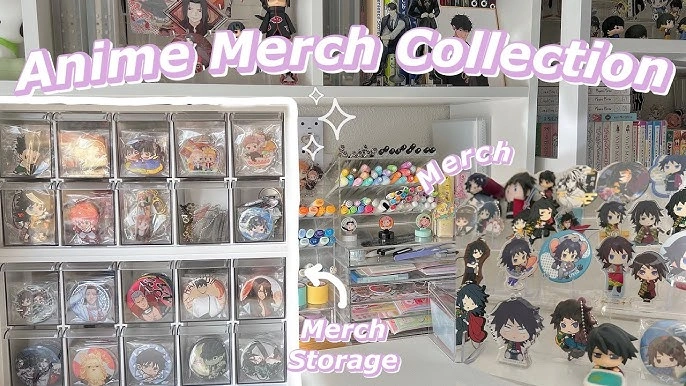
What starts as a talisman can become a burden. The sacred hoodie turns into another piece of fast fashion, produced at scale, often with little regard for sustainability. The fans’ desire to honour their idol collides with the environmental and ethical cost of endless production.
Signals: Subtle or Blazingly Sacred
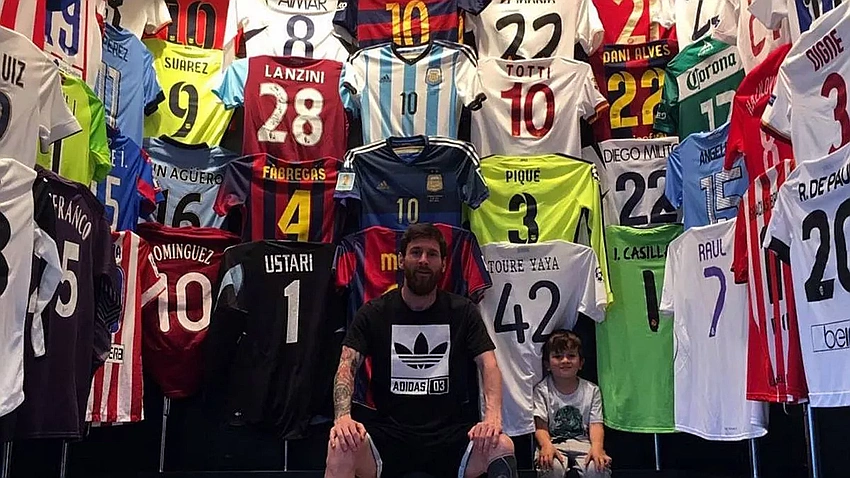
Interestingly, not all merch functions the same way. A study of fan-themed apparel found that highly engaged fans preferred subtle signals, while casual fans leaned towards big, bold logos. Subtlety carries an aura of authenticity—it says “I get it” without screaming. But from a capitalist perspective, both styles serve the same end: consumption. Whether understated or blazingly obvious, every garment purchased feeds the machine.
Fan-Made Merch Objects
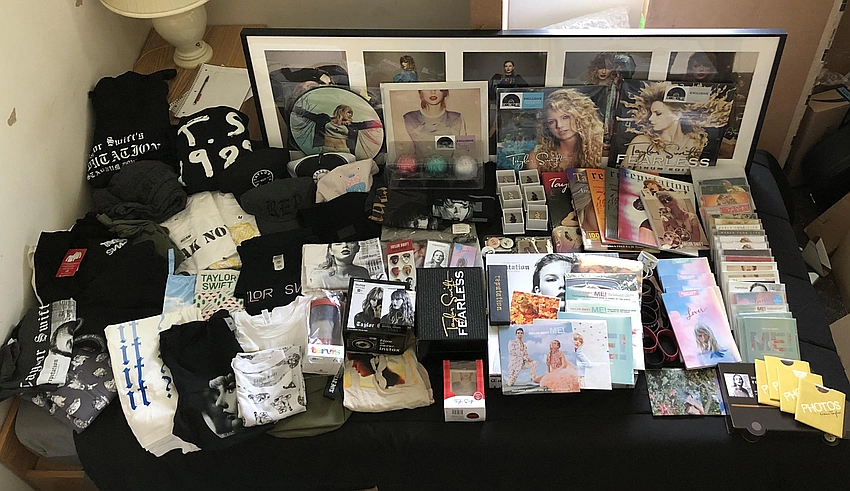
Not all merch is corporate. Fan-made goods like stickers, photobooks, and home-printed tees are attempts to reclaim meaning from the machinery of commerce. In pop music culture, fan-produced objects often rival or surpass official goods, carrying intimacy and community in their handmade form. These creations remind us that sacredness need not be packaged, licensed, or trademarked. They are offerings of love rather than transactions.
Between Shrine and Storefront
So yes, when I say one wears their stars like religion, I mean it. Fandom is ritualistic, identity-forming, even sacred. But it is also commercial, and devotion is often caught in capitalism’s net.
Your concert tee is a shrine you carry on your back, but it is also proof of purchase. That tension between sacred relic and marketed commodity is what makes merch so fascinating. Perhaps the challenge, for fans and for culture, is to find a way to honour our stars without surrendering entirely to consumption. To choose devotion over accumulation, ritual over retail.
#MerchCulture #ConcertTees #FanIdentity #MusicMerch #SustainableMerch #Overconsumption
