Can $17.1 Billion Fix Gen Z's Social Media Addiction?

Can $17.1 Billion Fix Gen Z's Social Media Addiction?
Meta's $17.1 billion settlement and new limits for teens on Facebook/Instagram sound big. But can these changes really undo years of digital addiction for Gen Z? Let's dive in.
The news just hit: Meta has agreed to a massive $17.1 billion settlement and is making some serious changes to Facebook and Instagram for teen users. On the surface, this sounds like a monumental win against the rising tide of social media addiction that has plagued Gen Z. But for a generation who've literally grown up with these platforms embedded in their daily lives, can money truly fix the deep-seated issues that have emerged?
It's a question worth asking.
The New Rules for Teens
So, what exactly are these 'restrictions' for users under 18? Expect a firm two-hour daily limit across both Facebook and Instagram. That's right, a hard stop.
There will also be prompts and reminders popping up after just 15 minutes of continuous use, and again after 60 and 90 minutes of total engagement.
Plus, notifications will be silenced during school hours (8 am to 3 pm) and overnight (10 pm to 7 am).
Both apps will even be blocked entirely from midnight to 6 am.
On top of that, teens will be offered a non-personalized, chronological feed, and crucially, like counts will be hidden by default. These are tangible steps, designed to curb the very “addictive features” that California and 28 other states pointed out in their landmark lawsuit.
A Bill That Can't Buy Back Time
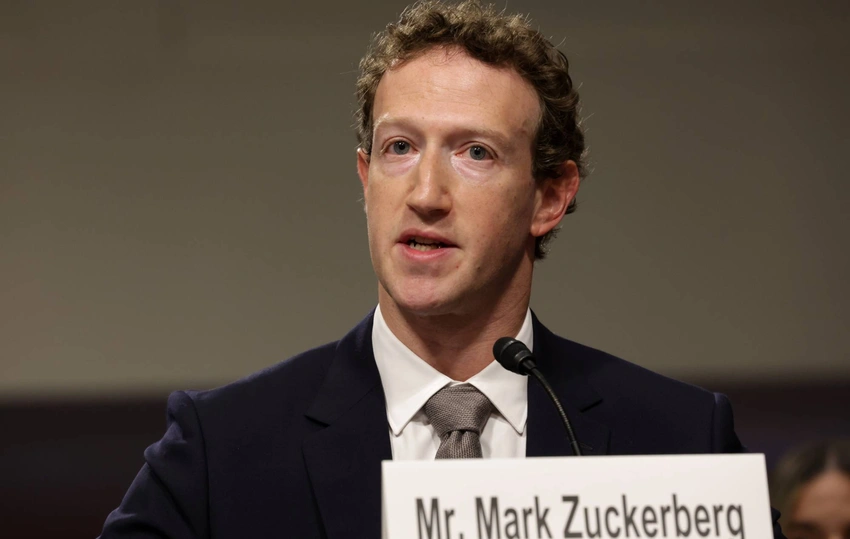
While $17.1 billion is a colossal sum, it's important to note it's paid out over a decade, and Meta isn't even admitting wrongdoing in this settlement. Mark Zuckerberg's company views this as a pragmatic business decision to move forward, not a confession of guilt for deliberately incorporating addictive features.
The real question isn't just about financial compensation; it's about the lost developmental years, the mental health crises, and the altered social development for a generation that was, arguably, unwillingly experimented on in a massive digital laboratory.
Beyond the Screens
We're talking about deeply ingrained habits here, folks. They were engineered to be addictive. Think about it: the endless scroll, the carefully curated feeds, the dopamine hits from notifications, the pressure of hidden likes, these were all built to maximize engagement.
Now, Meta is implementing guardrails like two-hour limits and silent notifications. But will these new rules truly undo the years of behavioral conditioning that have shaped teen brains and their perception of reality?
The science suggests that rewiring established habits is incredibly challenging.
Is This The Finish Line?
This settlement, while historic in its scale and implications, feels more like a well-placed bandage on a bullet wound than a complete cure. It addresses some of the most glaring symptoms but doesn't necessarily fix the root cause of digital dependency. True healing for Gen Z, and future generations, requires far more than just platform-imposed limits.
It demands a significant societal shift, more robust digital literacy education, and a deeper, collective understanding of how these digital spaces fundamentally rewire our brains and social interactions. Holding tech giants accountable is absolutely crucial, but the ongoing work of fostering genuine digital wellness ultimately falls on all of us.

Login to comment.
No thots yet. Be the first to share your thoughts!