11 Signs You're Too Nice and How to Stop Being a Doormat Without Feeling Guilty

11 Signs You're Too Nice and How to Stop Being a Doormat Without Feeling Guilty
Are you always saying 'yes' when you mean 'no'? Discover the 11 subtle signs you're being too nice and learn how to set boundaries effectively, without the guilt trip. Reclaim your power!
Are You a Secret Doormat? 11 Signs It's Time to Reclaim Your Power
Being kind is awesome, a true superpower. But there's a fine line between genuine kindness and being 'too nice': a people-pleasing habit that often leaves you feeling drained, resentful, and unseen. If you constantly put others' needs before your own, or dread saying no, it's time for an honest check-in.
You deserve to be treated with respect, and sometimes, that means learning to protect your own energy and boundaries.
The Subtle Signs You're Over-Accommodating
It's not always obvious. Often, these habits creep in because you genuinely want to help or avoid conflict. But if you recognize several of these, it might be time to adjust your approach:
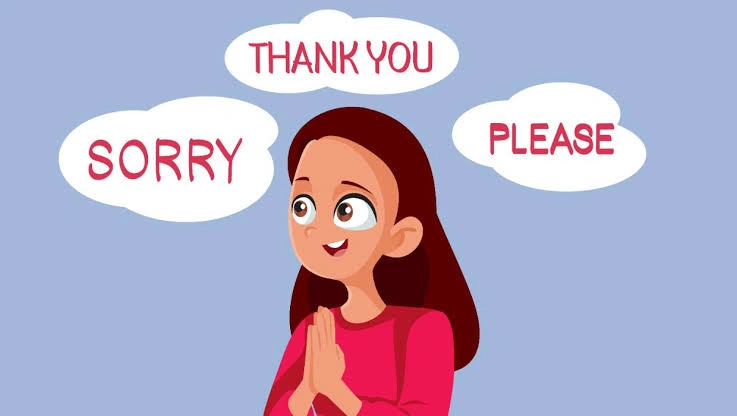
- You frequently apologize, even when it's not your fault. 'Sorry' becomes a default filler word.
- You say 'yes' to every request, even if it stretches you thin. Your calendar is packed with things you didn't really want to do.
- You avoid confrontation at all costs. You'd rather suffer in silence than voice a complaint or disagreement.
- You struggle to express your own needs or opinions. Your voice often gets lost in group settings.
- You're constantly seeking validation from others. Their approval feels essential for your self-worth.
- You let people interrupt you or talk over you. You rarely assert your right to speak.
- You take on more than your fair share of work or responsibilities. You're often the one picking up the slack.
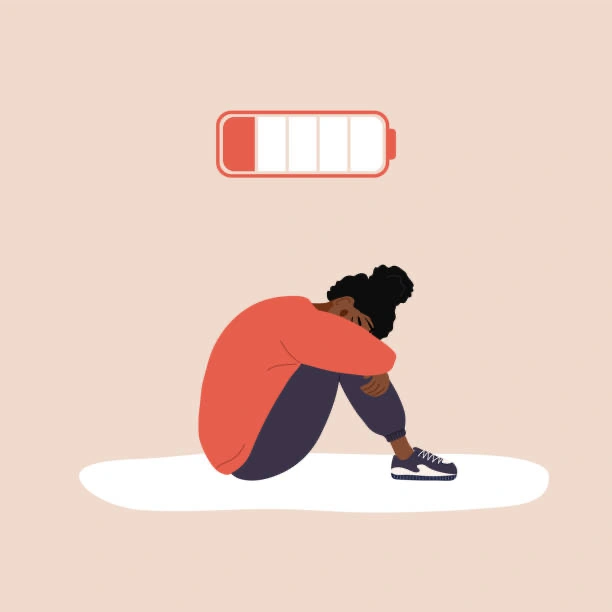
- You feel resentful after helping someone. That warm fuzzy feeling is replaced by annoyance.
- You give unsolicited advice or try to fix everyone's problems. You feel responsible for their happiness.
- You change your plans or opinions to fit in with others. Authenticity takes a backseat.
- You fear disappointing others more than you fear disappointing yourself. Their happiness outweighs your own.
 Why Being 'Too Nice' Isn't So Nice After All
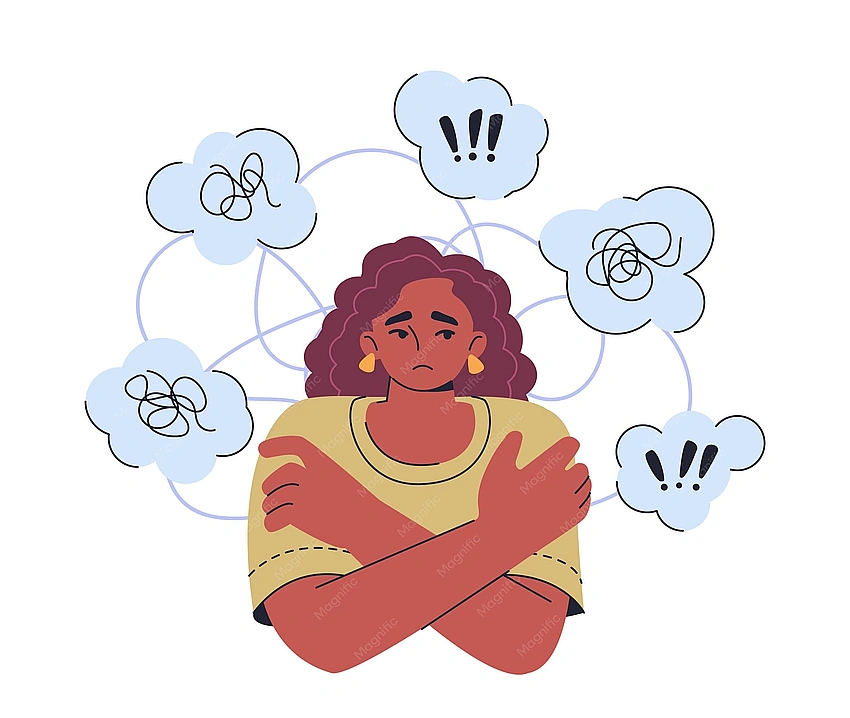
It sounds counter-intuitive, right? How can being nice be bad? The truth is, constantly deferring to others erodes your self-respect and teaches people how to treat you.
It can lead to burnout, anxiety, and relationships that feel one-sided. You might even find yourself silently fuming, wondering why others don't seem to appreciate your efforts. As author Adam Grant wisely put it,
The riskiest thing you can do is to be a giver and not set boundaries .
 Your Guilt-Free Guide to Setting Boundaries
Ready to shift from doormat to self-advocate? It's a journey, not a switch, and it starts with small, deliberate steps.
- Start Small, Say 'No': Begin with low-stakes situations. Decline an invitation you're not excited about, or say you can't help with a minor task. Practice saying, “Thanks for thinking of me, but I can’t commit to that right now.” No long explanations needed!
- Prioritize Your Needs: Before agreeing to anything, check in with yourself. Do you have the time, energy, and desire? If the answer is anything less than a resounding 'yes,' it’s okay to pause or decline.
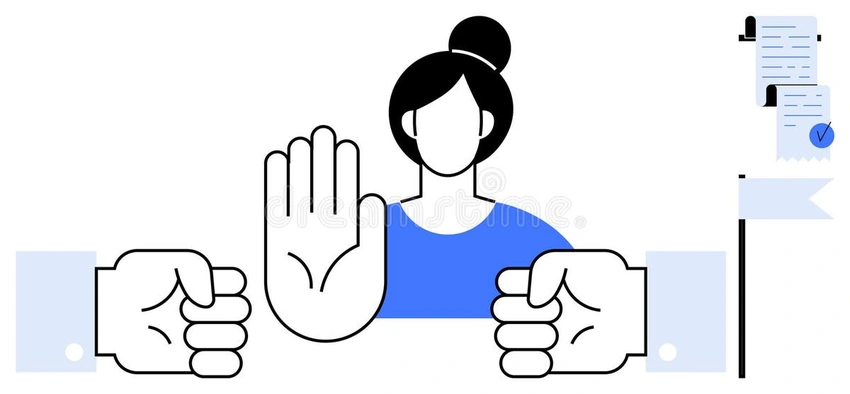
- Communicate Clearly and Calmly: When setting a boundary, use 'I' statements. For example, “I need quiet time to focus on my work” instead of “You're always so loud.” Be firm but polite. Remember, you're teaching people how to respect your space and time.
- Embrace the Discomfort: There might be initial awkwardness or even pushback. That’s normal. Don't let someone else's discomfort deter you from protecting your well-being. The guilt will lessen with practice.
- Understand Your Worth: You are valuable, regardless of how much you do for others. Your time, energy, and well-being are precious resources. Protecting them isn't selfish-it's self-preservation.
 Ready for Your Power Upgrade?
Changing deeply ingrained habits takes time and patience. There will be moments you slip back, and that's perfectly fine. The goal isn't perfection, but progress.
By recognizing these signs and taking proactive steps, you're not becoming 'mean' or 'selfish', you're becoming authentically you.
You're learning to value yourself, which in turn teaches others how to truly value you too. Embrace the discomfort, celebrate the small victories, and step into your empowered self.


Login to comment.
No thots yet. Be the first to share your thoughts!