UK doctors threaten six-day NHS strike over pay and training posts

UK doctors threaten six-day NHS strike over pay and training posts
NHS resident doctors threaten a six-day strike over pay they say lags inflation, with ministers warning thousands of training posts could be scrapped.
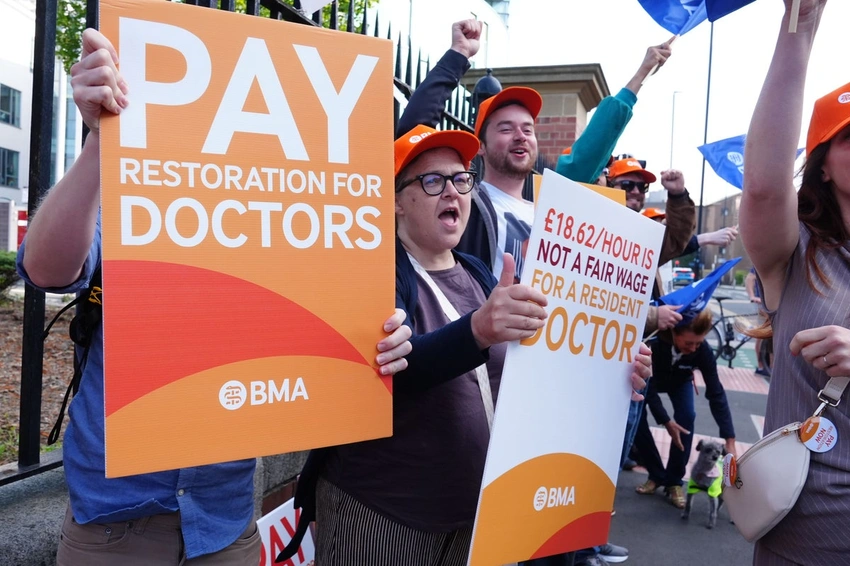
The government has put a tight deadline on negotiations with the BMA, issuing a 48-hour ultimatum for a new deal as resident doctors prepare for a six-day strike due to begin on 7 April. The move comes after the government offered a pay rise of up to 7.1 percent, which would lift the pay of the most experienced resident doctors to more than £100,000, a package the union argues still doesn’t keep pace with inflation. They are demanding a restoration of pay to 2008 levels, a rise they say amounts to about 26 percent in real terms. The prime minister has warned that if the strike goes ahead, thousands of NHS training posts could be withdrawn, a move that would affect the pipeline of future doctors.
The prime minister called the BMA’s rejection of the offer “reckless,” adding that patients and the NHS deserved a credible deal. The BMA’s resident doctors committee chair pushed back, saying deadlines used in talks do not reflect the real state of negotiations. He stressed that any “deadline” only meaningfully ends when there is a sustainable offer on the table and that doctors remain open to resuming talks later today with the aim of a settlement that could see the strikes called off.
Resident doctors, many in the early years of their training, have seen wage settlements in the NHS debated for years as inflation continues to bite. This six-day action would mark the 15th round of industrial action in the past three years, underscoring the depth of frustration over pay and working conditions. While the government argues the offer is fair and affordable, doctors say it does not reflect the cost of living or the level of training they undertake, and they fear the loss of training posts would worsen staffing pressures in the long term.
As talks proceed, patients, NHS staff, and policymakers watch closely to see if a compromise can be struck that preserves patient care while addressing doctors’ concerns about pay and career development. The coming days will be crucial in determining whether the sticks or the carrots will win out in this long-running dispute.
