The Eternal Relevance of Audrey Hepburn

The Eternal Relevance of Audrey Hepburn
The Eternal Relevance of Audrey Hepburn
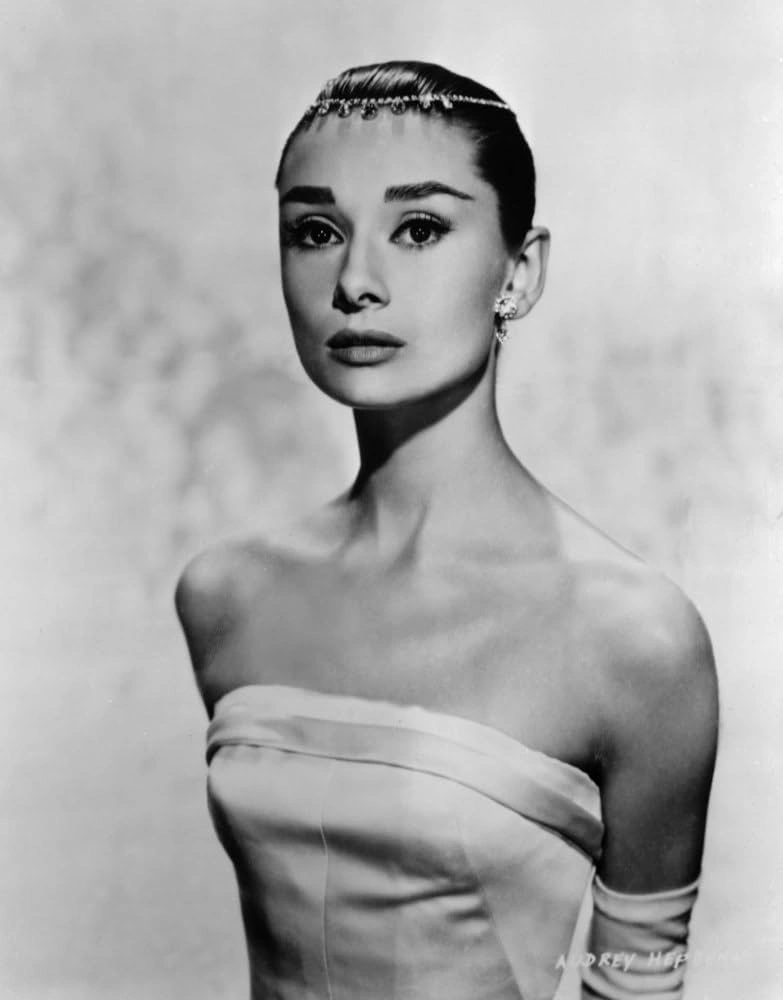
Audrey Hepburn's image endures not just as fashion but as a radical redefinition of femininity, celebrity, and public life. Her quiet glamour still feels modern, influencing cinema, campaigns, and culture today.
There are very few cultural figures whose image has survived the era that produced them without becoming trapped in nostalgia. Audrey Hepburn is one of those rare exceptions. More than three decades after her death, her face continues to appear in fashion campaigns, Pinterest mood boards, coffee table books and university discussions on cinema, celebrity and style. Yet reducing her to an aesthetic would miss what makes her so enduring. Audrey Hepburn remains relevant because she represented a different way of imagining femininity, celebrity and public life, one that still feels remarkably contemporary.

A Different Kind of Star
When Hepburn emerged with Roman Holiday in 1953, Hollywood already had an established image of female glamour. Stars such as Marilyn Monroe and Elizabeth Taylor embodied a highly theatrical version of beauty. Hepburn offered something quieter. She was slim rather than voluptuous, playful rather than overtly seductive, and elegant without appearing unattainable.
This was not simply a matter of appearance. Her performances carried an unusual emotional sincerity. Whether she played Princess Ann in Roman Holiday, Holly Golightly in Breakfast at Tiffany's or Jo Stockton in Funny Face, her characters often balanced sophistication with vulnerability. They were witty but uncertain, graceful but recognisably human. That emotional complexity continues to resonate because it avoids the exaggerated performances that often date classic cinema.
Film historians frequently point to Roman Holiday as the film that transformed Hepburn into an international star, earning her the Academy Award for Best Actress. More importantly, it introduced audiences to a performer whose charm relied on authenticity rather than spectacle. That quality has aged exceptionally well.
Fashion Beyond Trends
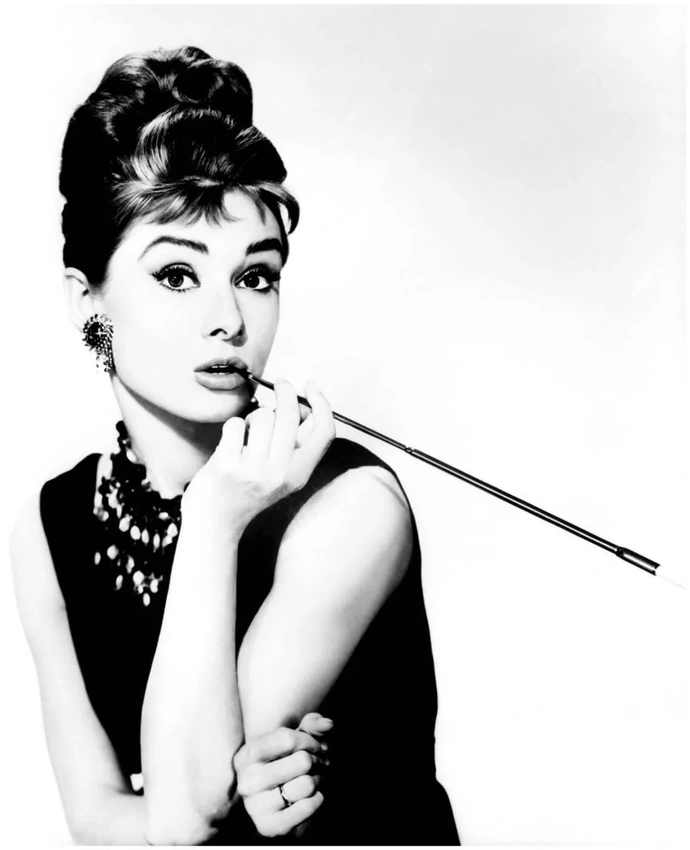
Audrey Hepburn is routinely described as a fashion icon, but her influence extends beyond individual garments. The little black dress from Breakfast at Tiffany's, her collaborations with Hubert de Givenchy, ballet flats, cigarette trousers and oversized sunglasses have all entered popular culture. Yet what made these looks memorable was their restraint.
Fashion has always oscillated between excess and simplicity. Hepburn became the face of a minimalist elegance that remains remarkably modern. Even today, countless brands market "timeless" fashion through silhouettes that echo her wardrobe rather than the louder trends of her own era.
This persistence reveals something interesting about cultural memory. Fashion often functions as a language of aspiration, and Hepburn's style communicates confidence without ostentation. In an age dominated by fast fashion and algorithmic trends, that understated aesthetic feels almost radical.

Beyond the Silver Screen
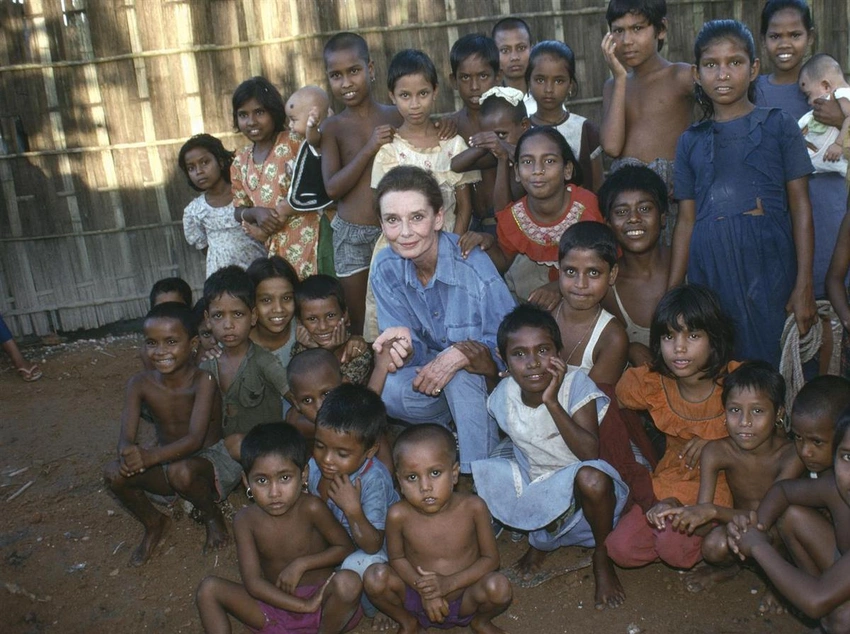
Perhaps the greatest reason for Hepburn's lasting relevance lies outside cinema altogether. During the final years of her life, she devoted herself to humanitarian work as a UNICEF Goodwill Ambassador, travelling to countries affected by war, famine and poverty. Having experienced hunger herself during the Second World War in the occupied Netherlands, she understood these crises not as abstract political issues but as lived realities.
Unlike many celebrity ambassadors, Hepburn rarely treated humanitarian work as an extension of her public image. Instead, it gradually became the defining chapter of her life. She visited communities across Africa, Asia and Latin America, advocated for children's rights before governments and international audiences, and consistently redirected media attention towards humanitarian concerns.
This shift from Hollywood icon to global advocate complicates the modern relationship between fame and activism. Today, celebrity activism is often viewed with scepticism because it can appear performative. Hepburn's work continues to command respect because it was sustained, informed and deeply personal.
The continued fascination with Audrey Hepburn also reflects broader cultural anxieties. We live in an era saturated with personal branding, curated identities and endless visibility. Hepburn represents an alternative model of celebrity. Despite her immense fame, she cultivated privacy, humility and restraint.
This is perhaps why younger generations continue discovering her through streaming services, fashion archives and social media. They inherit not only images of glamour but also an example of grace that feels increasingly uncommon.
Her legacy also reminds us that icons are not sustained by beauty alone. Countless beautiful actors have faded from cultural memory. Hepburn endures because her image carries multiple meanings at once. She symbolises cinematic excellence, post-war resilience, timeless design and humanitarian responsibility. Each generation finds a different reason to return to her.
Audrey Hepburn remains culturally relevant because she transcends the categories that usually define celebrities. She is remembered not simply as an actress, model or humanitarian, but as someone whose life connected art, ethics and public imagination. In an age that often values visibility over substance, her legacy continues to suggest that elegance is not merely about appearance. It is equally about compassion, integrity and the ability to leave behind something more meaningful than an unforgettable photograph.
#AudreyHepburn #ClassicCinema #FashionIcon #HollywoodHistory #CulturalIcon
