SC Refuses Urgent Hearing on CJP Protest Crackdown, Sparks Outrage

SC Refuses Urgent Hearing on CJP Protest Crackdown, Sparks Outrage
India's Supreme Court declined an urgent hearing on alleged police brutality against CJP protesters. This intensifies the 'cockroach' controversy & fuels demands for Education Minister's resignation. Get the full story!
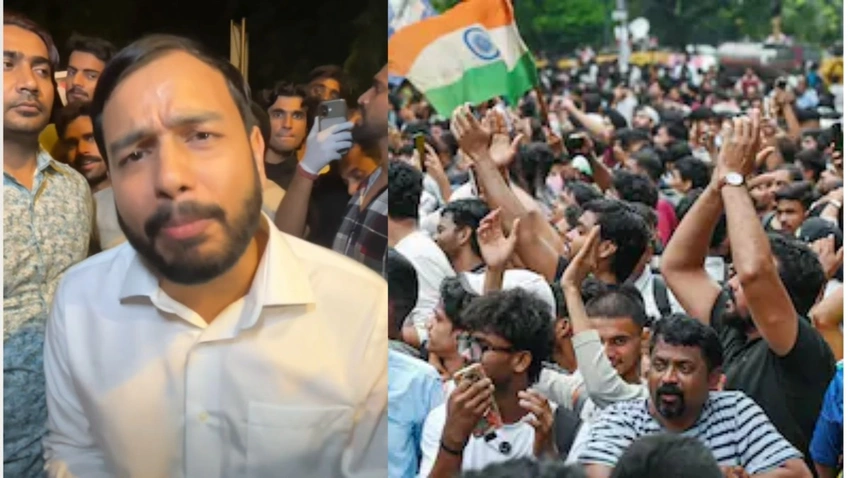
The Supreme Court has refused an urgent hearing on a plea regarding alleged police brutality against Cockroach Janata Party (CJP) protesters. Chief Justice D.Y. Chandrachud declined to examine videos reportedly showing the crackdown, a decision that has ignited strong political reactions from Opposition leaders and further fueled the controversy.
This ongoing row traces its origins back to a courtroom remark, where protesters were reportedly referred to as "cockroaches." What began as a comment evolved into a powerful online campaign, eventually blossoming into a nationwide protest movement. The CJP, inspired by this very remark, is now at the forefront of demanding reforms in India's education system and calling for the resignation of Education Minister Dharmendra Pradhan.
The refusal by the Supreme Court to grant an urgent hearing has drawn criticism, with Opposition parties interpreting it as a dismissal of serious allegations. Concurrently, the Rajya Sabha witnessed a deadlock over the NEET paper leak discussion, with Parliamentary Affairs Minister Kiren Rijiju accusing the Opposition of stalling proceedings. He urged constructive engagement, highlighting Prime Minister Narendra Modi’s initiative for fast-track courts to punish exam malpractices. However, Opposition leaders, including Mallikarjun Kharge, maintained their stance, demanding a debate under Rule 267 and reiterating their call for Minister Pradhan’s resignation.
Prominent figures like educator Alakh Pandey have also publicly supported the CJP agitation, urging the government to engage directly with the students and address their concerns. The controversy continues to unfold, underscoring deep-seated discontent regarding educational reforms and accountability.
