US Eyes Closer Ties with Bangladesh’s Jamaat Ahead of Polls

US Eyes Closer Ties with Bangladesh’s Jamaat Ahead of Polls
As Bangladesh heads to elections, Washington signals openness to engage with Jamaat-e-Islami amid a slate of minority candidates across parties.
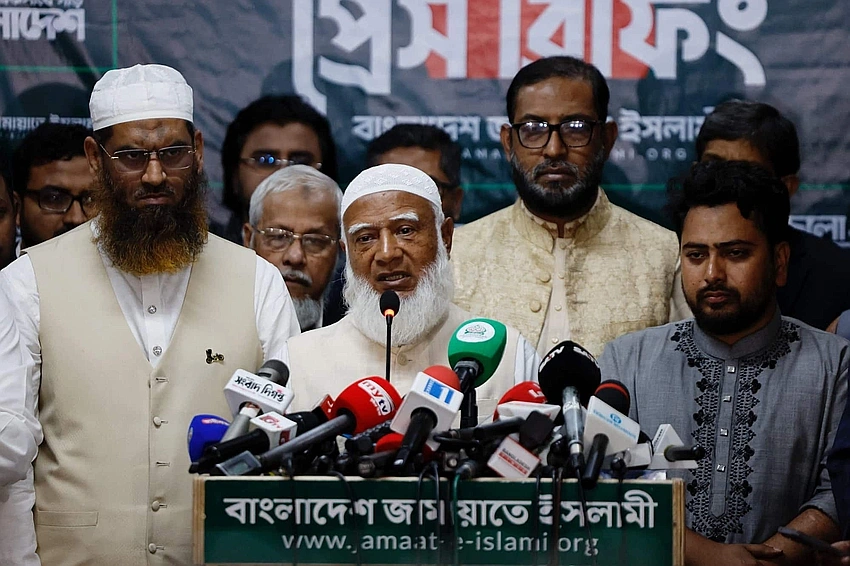
In a move that has surprised regional observers, the US has signaled openness to closer ties with Jamaat-e-Islami, the Bangladesh party that was banned for years and is now seen as a potential player in the upcoming national election. The development arrives as Dhaka readies for a high-stakes vote and international attention turns to how the poll will unfold with various parties debating their lineups and alliances. Jamaat-e-Islami, founded in 1941, remains a contentious name in Bangladeshi politics, with supporters arguing it could broaden perspectives while critics warn of polarization.
In the current race, a significant 80 candidates from religious and ethnic minority groups are vying for seats, with 12 running independently. The slate from 22 parties, including the BNP and Jamaat-e-Islami, features 68 minority candidates. Notably, Jamaat-e-Islami has nominated its first-ever minority candidate, highlighting how the election landscape is expanding beyond traditional bases.
Analysts caution that such outreach could reshape regional diplomacy, potentially influencing U.S.-India dynamics and broader foreign policy calculations. While Washington’s outreach may be seen as a gesture toward engagement, it also raises questions about how domestic electoral norms will interact with international diplomacy in the run-up to polling day.
Observers say the polls will be a test of whether international diplomacy and domestic electoral competition can coexist without undermining democratic processes. As campaigns intensify in Dhaka, the interplay between minority representation, party strategy, and external engagement will likely shape the narrative ahead of Bangladesh’s vote.
