Is the UN a Dinosaur in the 21st Century? Its Relevance Tested.

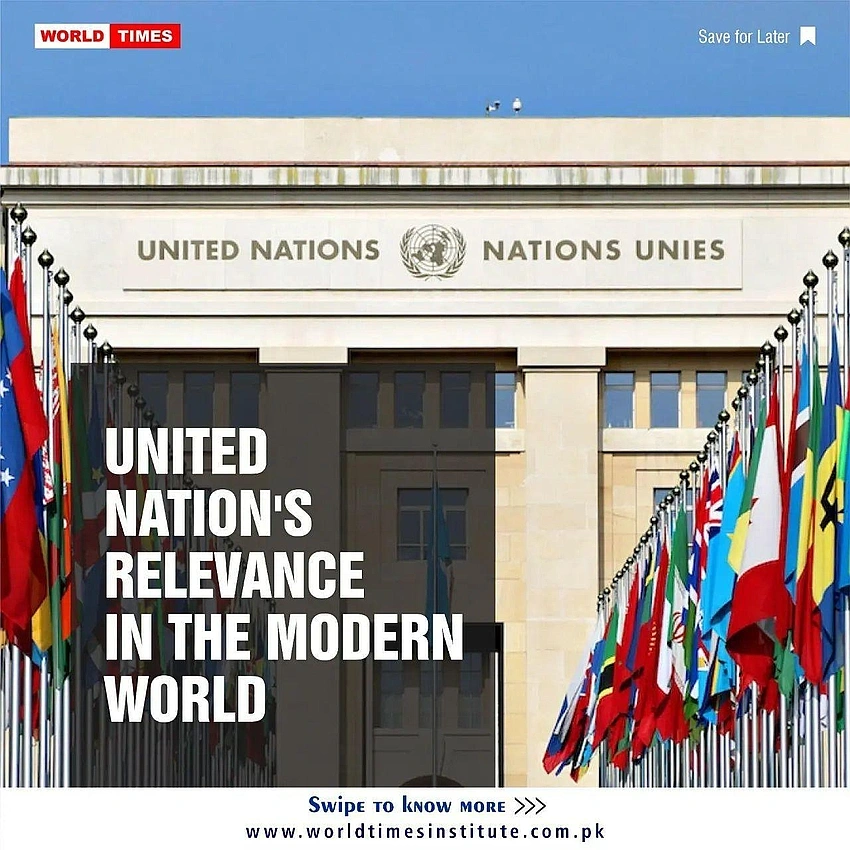
Is the UN a Dinosaur in the 21st Century? Its Relevance Tested.
The United Nations was designed for a different era. Can this global body still effectively tackle today's complex conflicts, from cyber warfare to climate crises, or is it failing us?
Can the UN Still Keep the Peace in a Fractured World?
Global challenges feel heavier than ever. From rapidly evolving geopolitical tensions to existential threats like climate change, the very fabric of international cooperation seems strained. This begs a critical question: is the United Nations, an organization forged in the aftermath of WWII, truly equipped to handle the volatile, multipolar conflicts of the 21st century?
Or is it an increasingly ceremonial relic, struggling to adapt?
The Old Rules vs. New Realities
The UN's foundational structure, particularly the Security Council's veto power, is a recurring flashpoint. Designed to prevent unilateral action by major powers, it often paralyzes meaningful intervention when those very powers are at odds or involved in conflicts themselves.
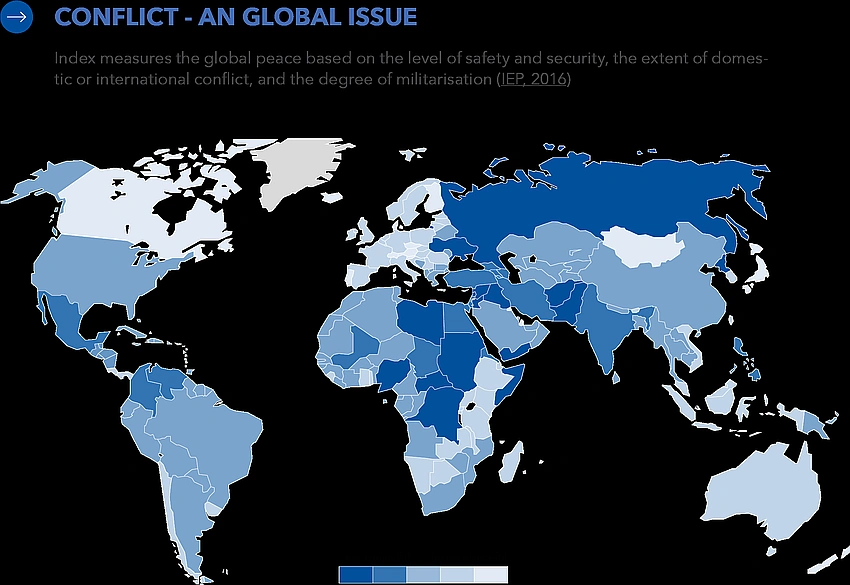
Think about Syria, Ukraine, or countless other humanitarian crises where consensus has proven elusive.
Beyond this, the nature of conflict has morphed dramatically. We're no longer just dealing with state-on-state warfare. Insurgent groups, cyber warfare, disinformation campaigns, and climate-induced migration crises present complex, non-traditional threats that often defy conventional diplomatic or military responses.
“The UN is not perfect, but it is indispensable.” This famous sentiment, often attributed to Dag Hammarskjöld, highlights the paradox. We criticize its failings, yet its absence would arguably be far worse. The issue isn't a lack of trying, but often a lack of binding authority or the collective will of member states to empower it fully.
Where the UN Still Shines-And Must Evolve
Despite its limitations, the UN's work in humanitarian aid, peacekeeping operations (when mandates are clear and funded), and its role as a global forum for dialogue remains vital. Agencies like UNICEF, WHO, and the World Food Programme save millions of lives annually. It also provides a crucial platform for establishing international norms and laws, from human rights to environmental protection.
These 'soft power' achievements are often overlooked in the glare of Security Council gridlock.
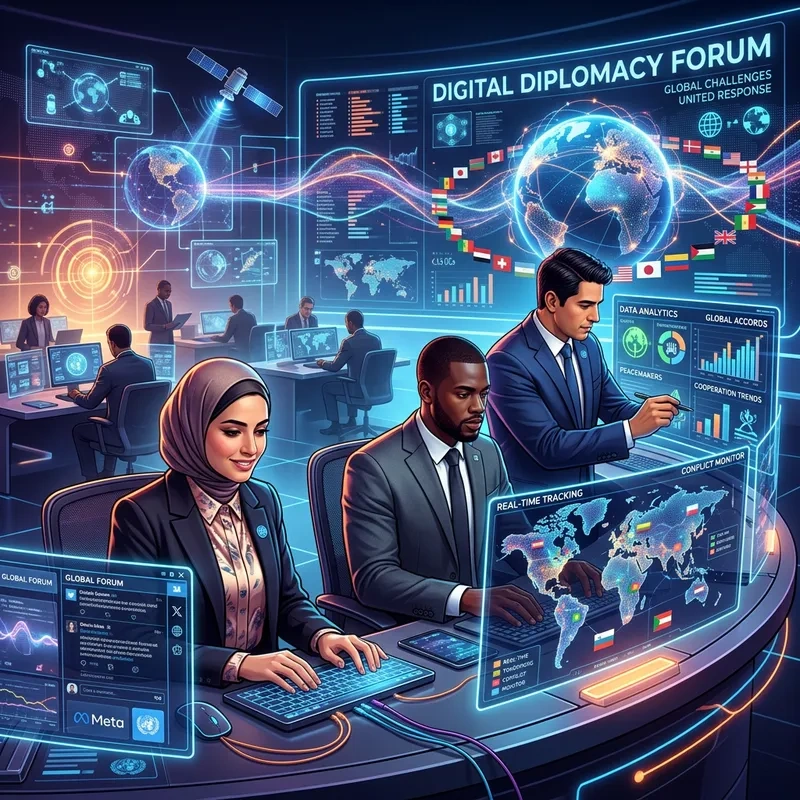
However, true relevance in the 21st century demands more. Reforms to the Security Council's composition and veto power are frequently discussed but rarely materialize, blocked by those who benefit from the status quo. The UN must also find more effective ways to engage with non-state actors, leverage technology for conflict prevention, and proactively address emerging threats rather than just reacting to them.
It's about reimagining its operational agility and its very mandate.
The Urgency of Adaptation: What's Next?
Can the UN genuinely evolve to meet these modern demands? The answer depends less on the institution itself and more on its 193 member states.
If nations prioritize short-term national interests over long-term global stability, the UN will remain a well-intentioned but often ineffective body.
If, however, there is a renewed commitment to multilateralism and a willingness to reform, the UN could still be our best, perhaps only, hope for navigating the tumultuous waters of the 21st century. The stakes are too high for it to simply fade into irrelevance- its foundational ideals of peace and cooperation are more critical now than ever.